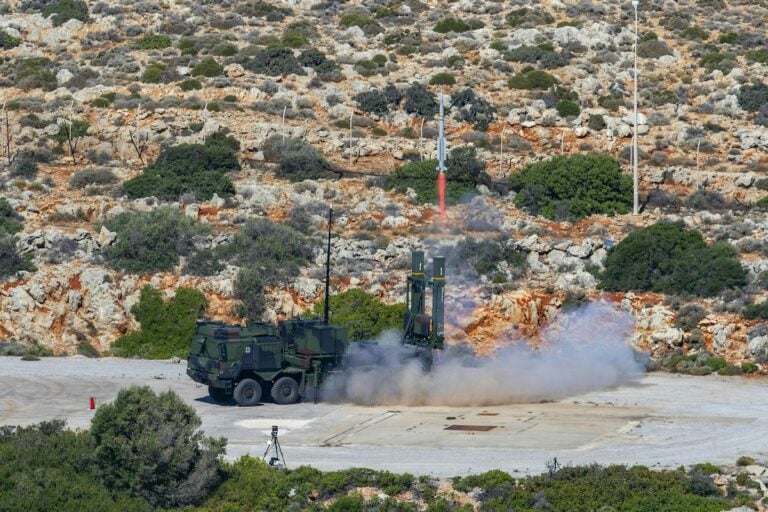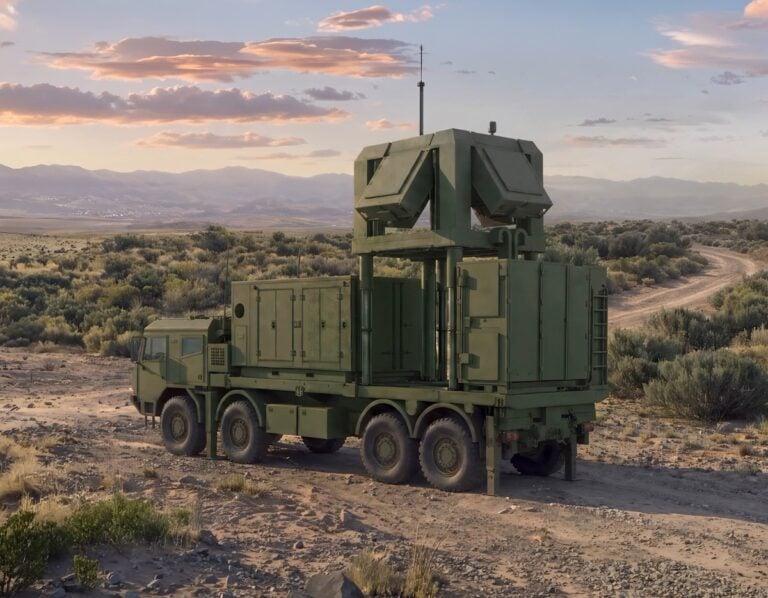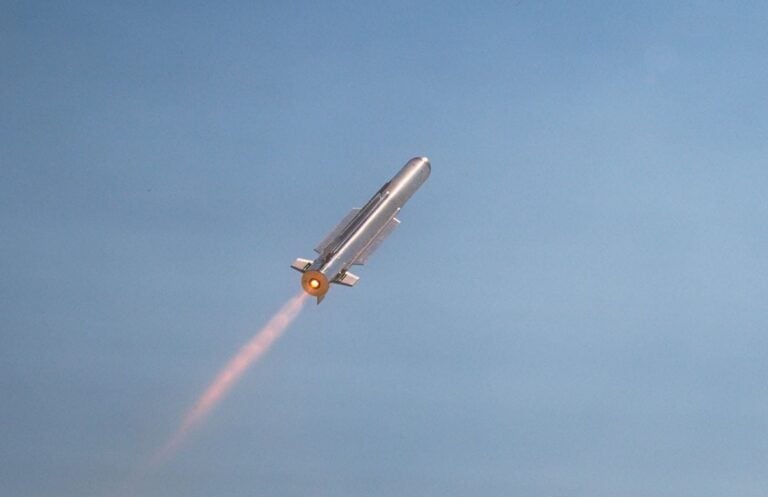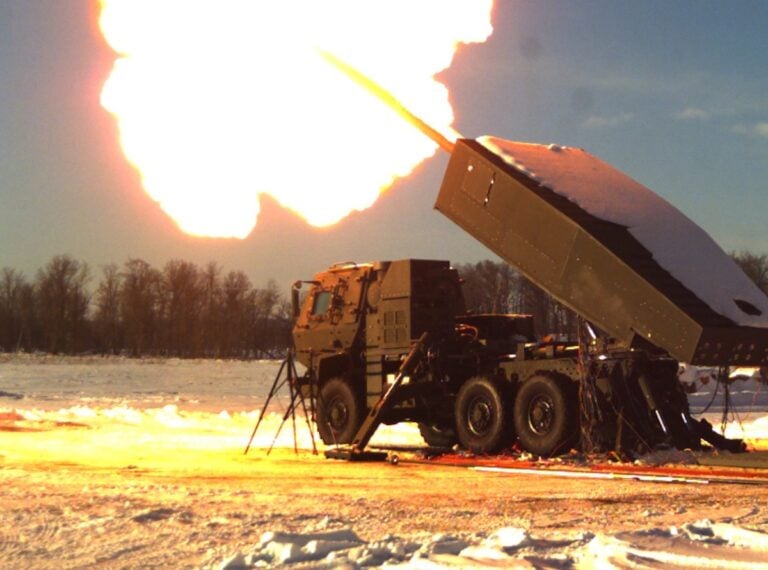

The system, developed by UK start-up Cambridge Aerospace, was tested in demanding desert conditions at a defence development facility operated by Deep Element. The missiles have a range of 30 kilometres and can reach speeds of up to 700 kilometres per hour.
The test follows a multi-million-pound contract signed less than two weeks ago between the Ministry of Defence and Cambridge Aerospace to supply Skyhammer missiles to the UK Armed Forces. Initial deliveries are expected in May, with further shipments of missiles and launchers scheduled within the first six months of the agreement.
The trial coincided with a visit to Kuwait and Jordan by Luke Pollard, who held discussions on regional security and defence cooperation. He also met regional leaders and thanked UK personnel involved in protecting partners’ airspace during Iranian attacks prior to the ceasefire.
Pollard said: “We are stepping up alongside UK industry to offer rapid support to our partners in the Middle East. This week’s successful trial of Cambridge Aerospace’s Skyhammer interceptor missiles in Jordan is a perfect example of a UK start up innovating, with the backing of this government, to deliver cutting edge technology.”
He added: “My visit to Kuwait and Jordan shows that the UK is standing by our long-term partners and delivering on our promise to provide support. The multi-million-pound contract with Cambridge Aerospace is boosting British business by creating over 50 new jobs and supporting 125 current jobs, making defence an engine for growth.”
Cambridge Aerospace chief executive Steven Barrett said the system had proven its effectiveness during testing. “We have proven that our interceptors are not only cost-effective but also highly capable and will be able to counter the rising threat posed by aerial attacks,” he said.
Barrett added: “We welcome the support of the UK Ministry of Defence as Cambridge Aerospace looks to protect the UK and its partners with high-performance, rapidly deployable air defence systems.” The company’s technology is intended to address evolving aerial threats seen in conflicts such as Ukraine and the Middle East.
During his visit, Pollard met Kuwait’s Defence Minister, Sheikh Abdullah Ali Abdullah Al-Salem Al-Sabah, and other senior officials. He praised the efforts of Kuwaiti forces and UK personnel in protecting civilians and critical infrastructure during Iran’s recent missile and drone campaign.
UK-operated systems in Kuwait, including Rapid Sentry and ORCUS, have been used to detect and respond to drone threats. These systems allow early identification of incoming drones and enable defensive action to be taken.
In Jordan, Pollard also met Yousef Alhnaity to discuss ongoing defence cooperation. The talks highlighted the long-standing UK-Jordan partnership and shared commitment to regional stability.
The Ministry of Defence said it is accelerating export processes and financing through its National Armaments Director Group to support Gulf partners. A new task force has been established to coordinate efforts across government, support defence supply chains, and address operational requirements arising from the conflict.
Source: UK Ministry of Defence (press release).