Defense Minister Yevhenii Khmara and Armed Forces of Ukraine Commander-in-Chief Mykhailo Drapatyi met a delegation led by Lockheed Martin Aeronautics President Orlando Sanchez Jr. They discussed steady weapons supplies and cooperation over the longer term.
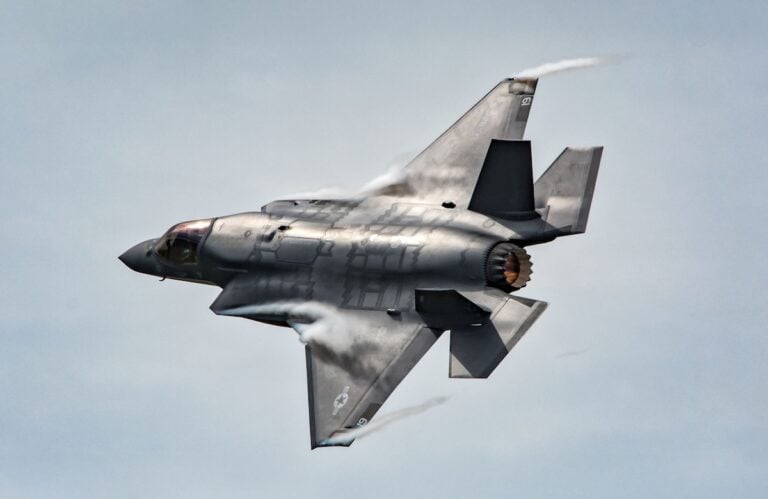
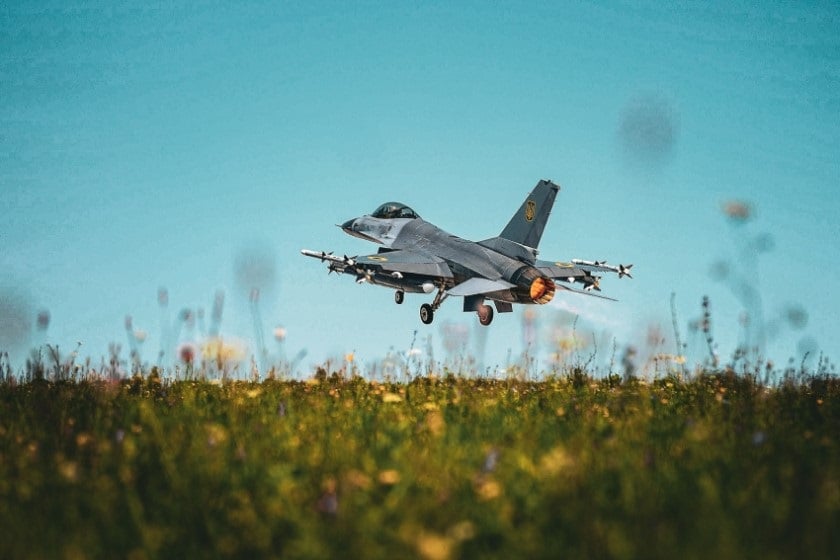
The ministry described F-16s as one of Ukraine’s key means of countering Russian jet-powered drones. Ukraine wants to broaden the geographic availability of maintenance capabilities, including through localization.
“F-16s are part of Ukraine’s aviation. Ukraine is committed to a long-term partnership with Lockheed Martin,” Khmara said.
“It is important to increase weapons deliveries and do everything possible to ensure that as many F-16s as possible are in service and operating in Ukrainian skies,” he added. The talks included expanding maintenance options to support that goal.
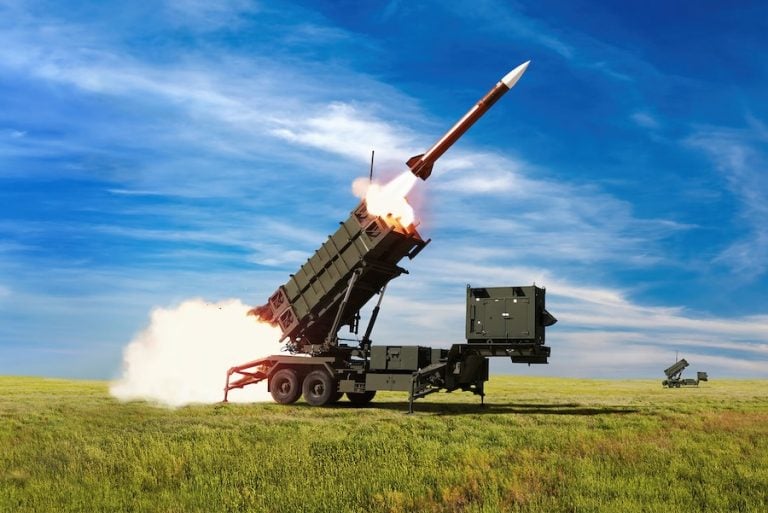
The Ukrainian side also stressed the importance of increasing PAC-3 interceptor deliveries for Patriot systems. The ministry said additional supplies would strengthen defenses against Russian ballistic threats.
Khmara cited HIMARS, F-16 aircraft and PAC-3 missiles as Lockheed Martin systems already being used to defend Ukraine. He said Ukraine was seeking a partnership with the company for years ahead.
Ukraine also offered to share its experience of operating weapons in combat. The ministry said that expertise could inform joint improvements to defense systems in response to the demands of modern warfare.