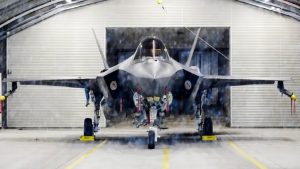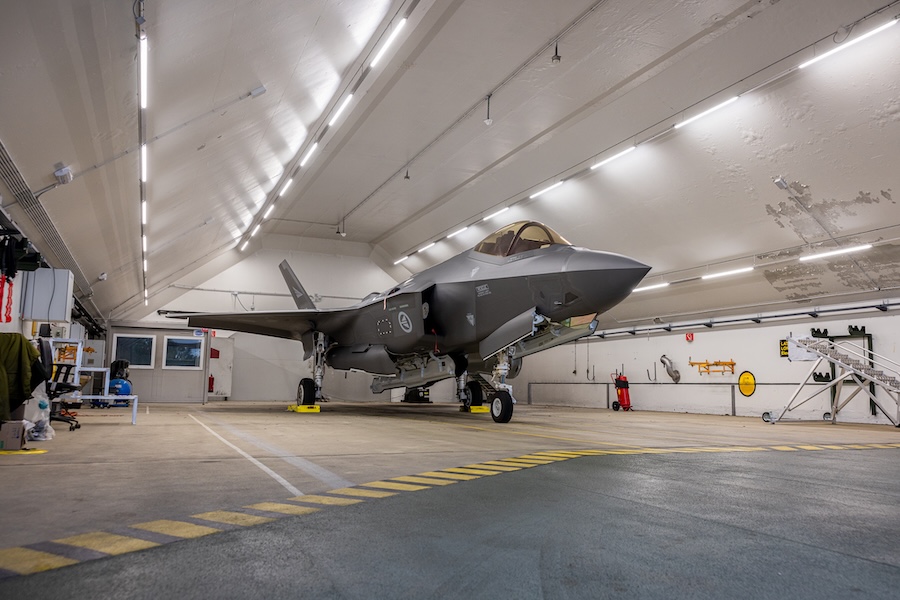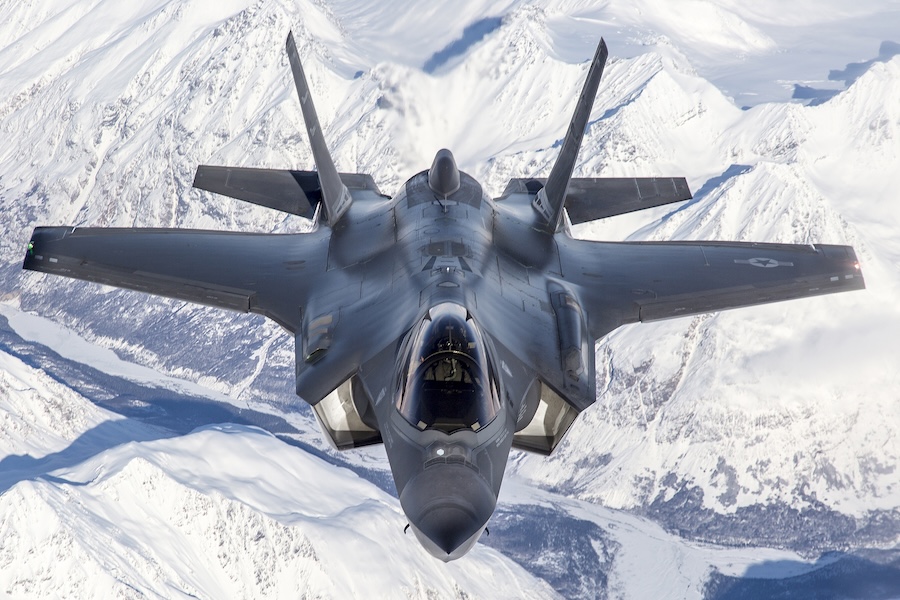

The use of SATFs in the F-35 has been approved following comprehensive testing, enabling the aircraft to operate with up to 50% synthetic fuel blended with conventional jet fuel. This development supports efforts to enhance energy resilience and reduce reliance on traditional fuel supply chains.

The integration of SATFs into F-35 operations provides greater flexibility in fuel sourcing, offering alternatives to conventional jet fuel derived from fossil fuels. These synthetic fuels are produced from both renewable sources, such as agricultural by-products and waste oils, and non-renewable sources like coal and natural gas.
Lockheed Martin, the manufacturer of the F-35, emphasised that rigorous testing has ensured SATFs meet the performance and reliability standards necessary for the aircraft’s demanding missions. By incorporating these fuels, the F-35 programme supports the U.S. Department of Defense’s goals for fuel diversification and improved energy security.
Synthetic fuels are seen as a key step in increasing the adaptability of defence operations. By reducing reliance on traditional fuel supply chains, SATFs enhance the resilience of F-35 operations in scenarios where conventional fuels may be limited or unavailable.
“Synthetic aviation turbine fuels provide operational flexibility while maintaining the high performance expected of the F-35,” said Chauncey McIntosh, Vice President and General Manager of the F-35 programme at Lockheed Martin. “Diversifying fuel options is critical to ensuring the mission readiness of allied forces.”
SATFs represent a step towards integrating more sustainable practices within the defence sector without compromising operational capabilities. By offering a reliable alternative to conventional jet fuel, these fuels contribute to broader sustainability goals while supporting the strategic demands of modern air operations.