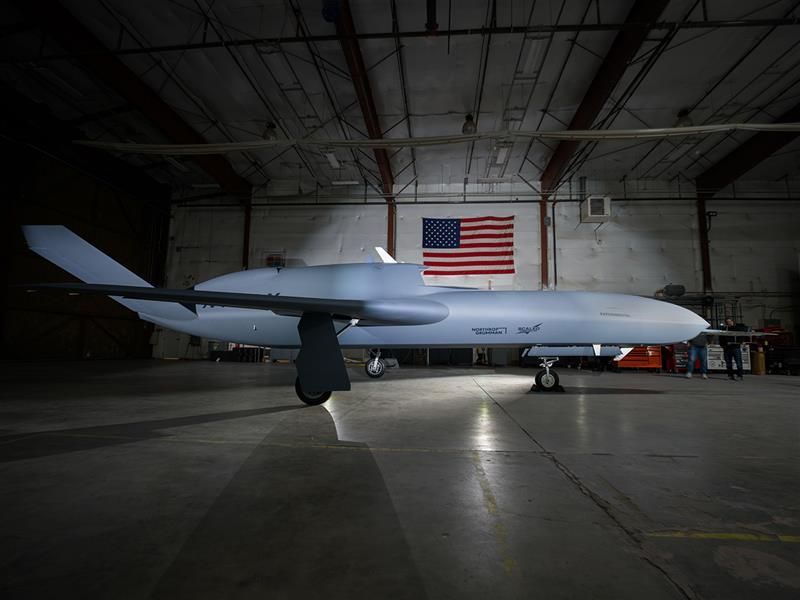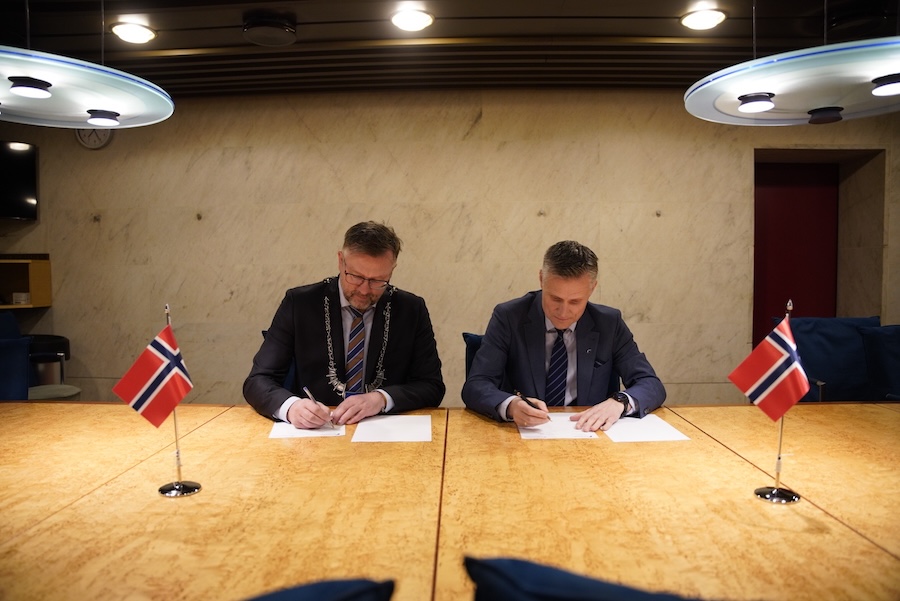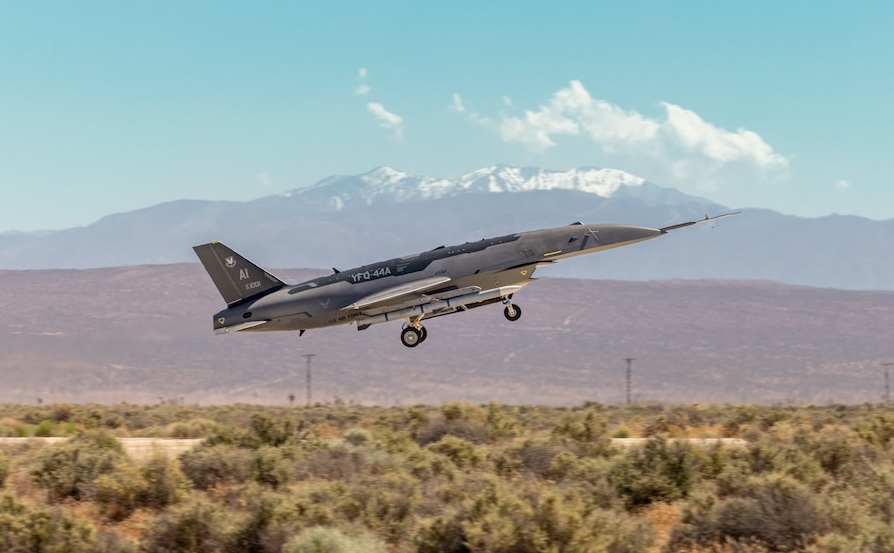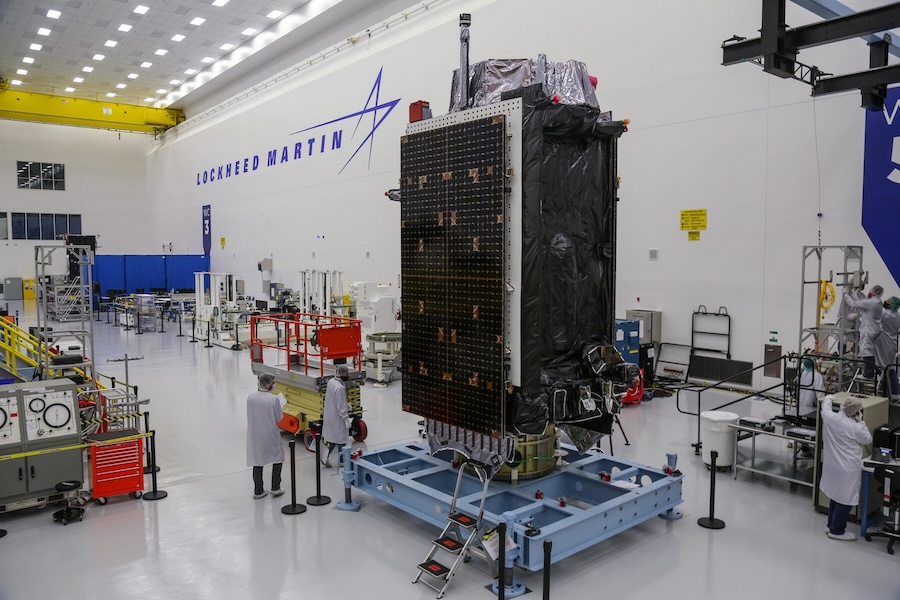

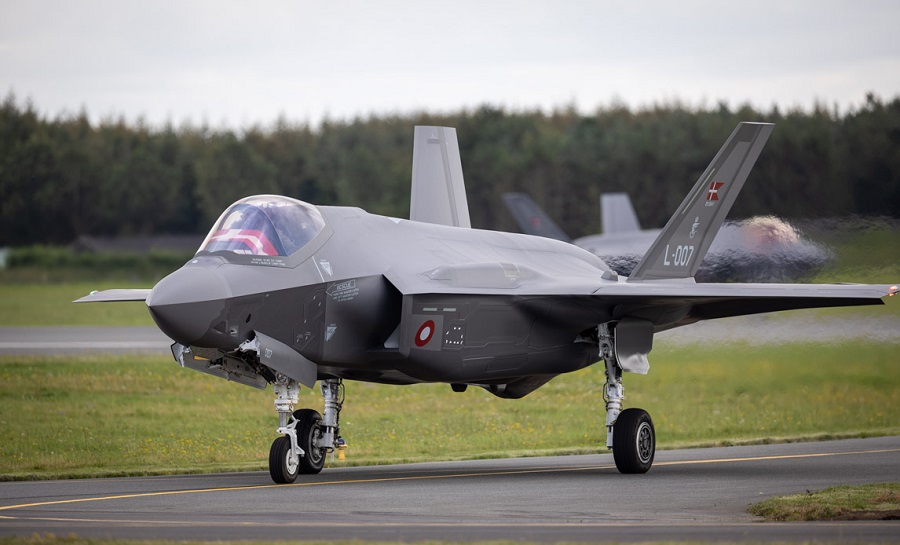
The agreement, developed in collaboration with the Greenlandic and Faroese governments, aims to address evolving security challenges in the region. Key initiatives include the introduction of three Arctic naval vessels, two long-range drones, and enhanced satellite and sensor capabilities for improved situational awareness and intelligence gathering.
Minister of Defence Troels Lund Poulsen emphasised the urgency of these measures, citing significant security challenges in the Arctic and North Atlantic. “This agreement strengthens our presence in the region and lays the groundwork for further initiatives this year,” he stated.
Vivian Motzfeldt, Greenland’s Minister of Statehood and Foreign Affairs, welcomed the agreement, highlighting its significance for Greenland. “We are taking essential steps towards increased security in and around Greenland. Naalakkersuisut looks forward to continued dialogue with Denmark,” she noted.
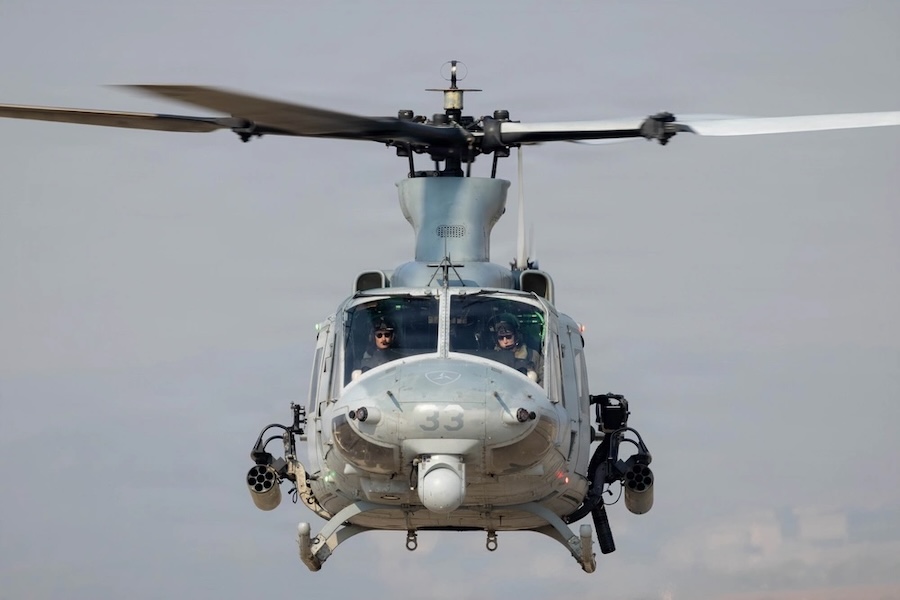
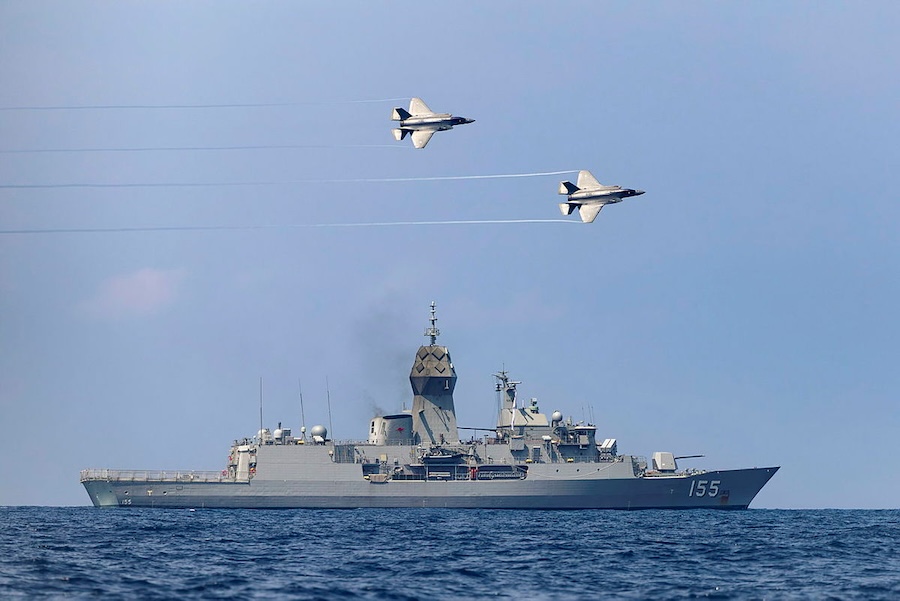
The naval vessels will enhance operational flexibility around Greenland, with the capacity to carry helicopters and drones. Long-range drones will provide detailed surveillance over vast distances, while satellites and ground-based sensors will monitor activity in key areas, strengthening sovereignty and Allied support.
Additional measures include increasing the number of Greenlandic recruits in Arctic military training programmes, fostering local skill development. The agreement also focuses on societal resilience, ensuring investments benefit local businesses and communities in Greenland and the Faroe Islands.
Support for civil agencies, including the police and emergency services, is also a priority. The agreement aims to upgrade the Joint Arctic Command facilities in Nuuk, enabling improved security conditions and expanded operational capacity.
Minister Poulsen reiterated the importance of collaboration with Greenland and the Faroe Islands, ensuring the initiatives align with local needs. “Close cooperation is essential to root these efforts in local communities and positively impact civil society,” he said.