


The report, titled “Rebuilding American Airpower: Balancing the Air Force’s Combat Forces for Peer Conflict”, was authored by Mark A. Gunzinger and Heather Penney. It is part of the institute’s Research Studies series focused on strengthening aerospace power.
According to the study, the United States Air Force must maintain the ability to defend the homeland, deter nuclear threats and defeat aggression simultaneously. Achieving this requires a balanced force structure aligned with national defense strategy requirements.
The report states that decades of underfunding, force reductions and delayed modernization have created significant capability gaps. It argues that substantial investment is needed to address these shortfalls.

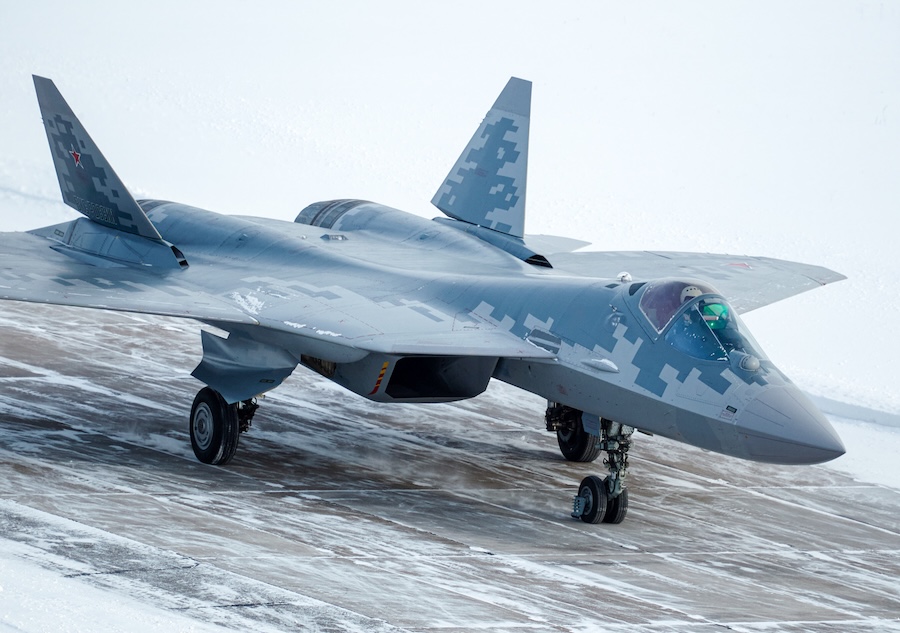
The study notes that the Department of Defense and Congress have a “once-in-a-generation opportunity to rebuild an Air Force that has a balanced mix of fifth-generation and beyond combat aircraft, autonomy-enabled uninhabited systems, guided munitions, and other advanced technologies needed to fight and win in the most stressing threat environments.”
It emphasizes that rebuilding effective airpower will require strategic decisions about future force design. These decisions should consider both emerging technologies and new operational concepts.
To support its analysis, the Mitchell Institute conducted a wargame examining alternative force structures for 2035. The exercise compared the effectiveness, survivability and resilience of different capability mixes.
The report states that recommendations were developed based on discussions among air campaign planners, strategists and operators. These participants are identified as those most likely to be responsible for executing future air operations.
The study highlights the importance of aligning force design with the demands of high-intensity conflict. It underscores the need to maximize operational effects in contested environments.
The Mitchell Institute said its Research Studies aim to provide detailed and innovative perspectives on aerospace strategy. The latest report contributes to ongoing discussions on the future of U.S. airpower.
Source: Mitchell Institute for Aerospace Studies.