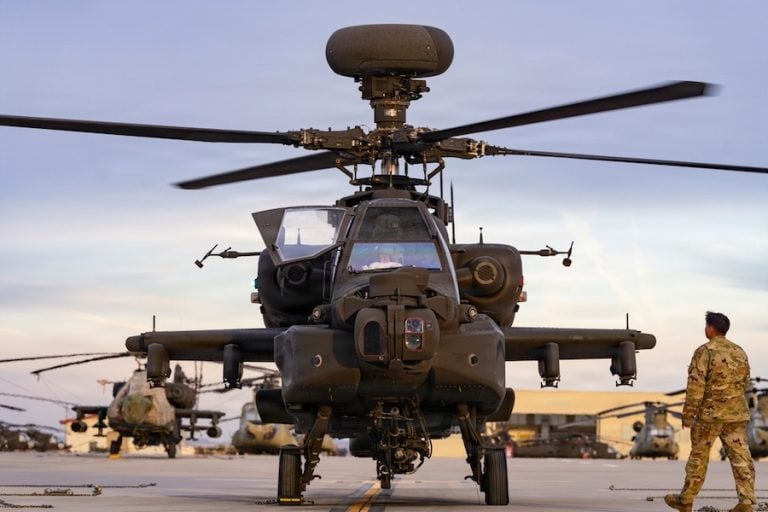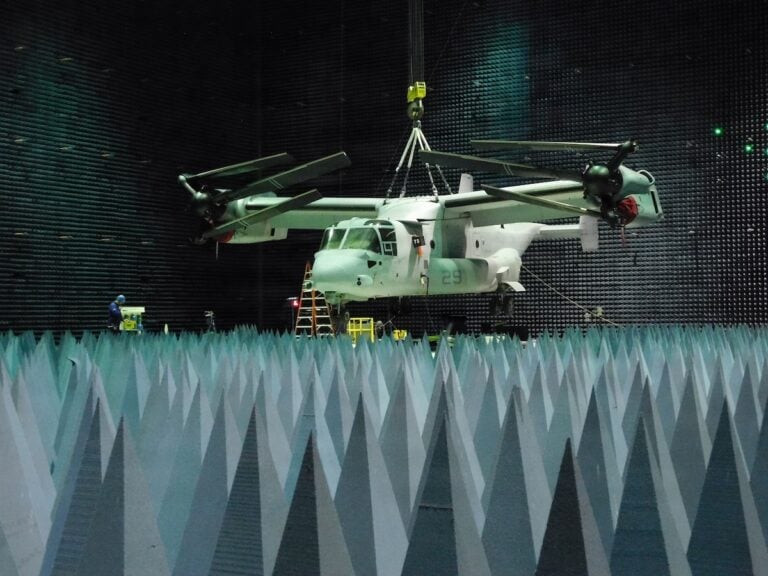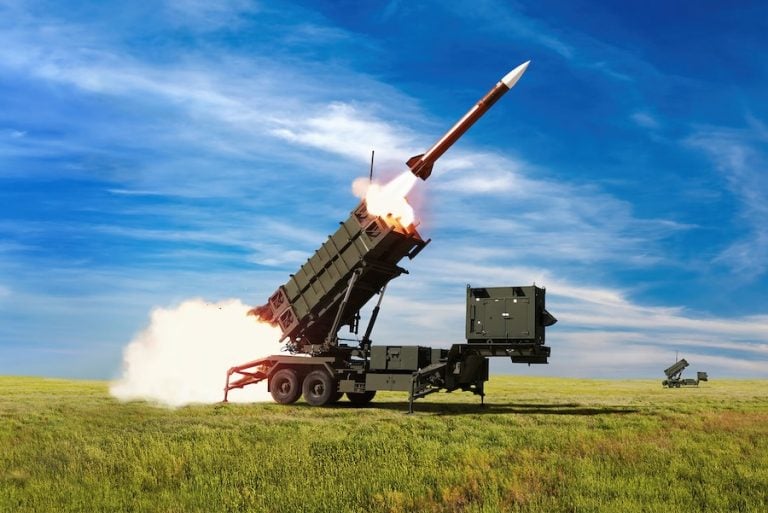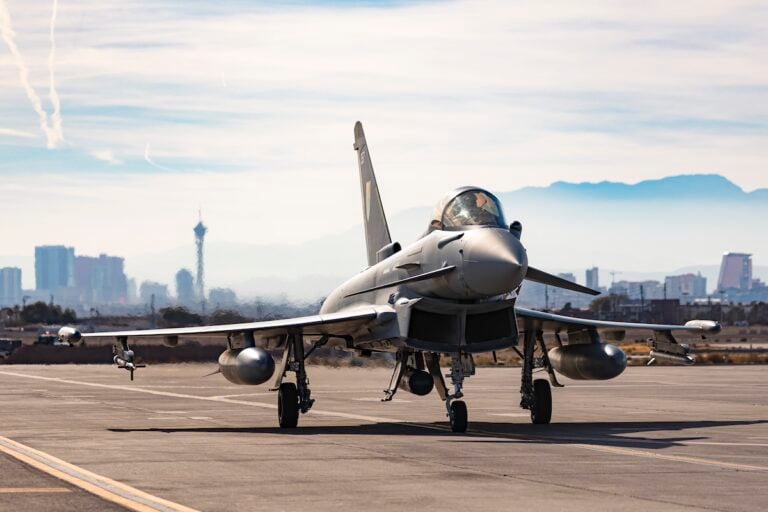
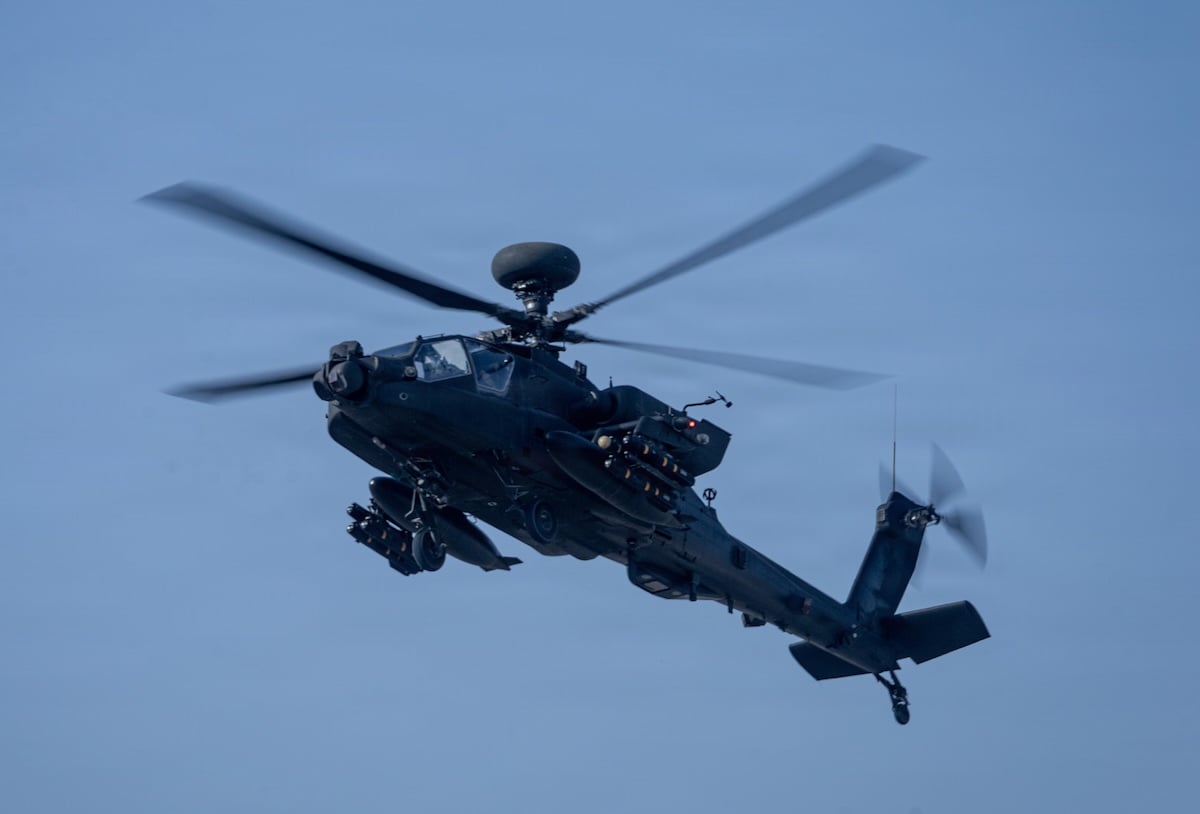
The demonstrations support efforts to give Apache crews access to a shared operational picture, distribute sensor data and control autonomous systems from the cockpit. Boeing said its architecture allows new capabilities to be integrated without adding tablets or changing mission software.
Working with software company Raft, Boeing demonstrated two-way data sharing that brought the Joint Force’s Common Operating Picture into the Apache cockpit. The work also demonstrated passing Apache sensor data to the Next Generation Command and Control, or NGC2, network.
Boeing said the integration was completed in a matter of months using open interfaces. The effort supports the Army’s goal of connecting sensors and shooters across its future command network.
“We believe fostering a collaborative ecosystem where we partner with companies like Raft to integrate technologies will enhance our capabilities on our enduring platforms to keep our warfighters ahead of evolving global threats,” said Scott “Frag” Jobe, Business Development for Boeing’s Phantom Works division. “This strategic collaboration is the latest example of Boeing’s commitment to open systems, agility and a Family of Systems approach.”
At its Mesa laboratory, Boeing integrated a Launched Effects capability using physical equipment representative of what the Army employs to introduce new capabilities. The hardware-in-the-loop demonstration built on work with two industry partners last year.
The development effort is intended to extend the Apache’s sensing, reach and lethality while allowing crews to control autonomous systems directly from the cockpit. Boeing said the Version 6.5 architecture also supports emerging counter-drone capabilities while keeping crew workload low.
“Boeing continues to engage the U.S. Army, international customers and industry partners to understand their evolving needs and provide new capabilities at speed,” said TJ Jamison, Boeing’s director of Business Development for Attack Helicopter Programs. “We plan to continue building on this latest success with additional efforts in the works demonstrating greater levels of integration.”
Boeing also tested Apache interoperability at the Army’s Right to Integrate hackathon at Fort Carson in May, known as Operation Jail Break. It integrated Apache software with the Integrated Battle Command System–Maneuver and shared its application programming interface for warfighters to use.
The company supported a live exercise involving real equipment and said the Apache’s existing interfaces provided the required interoperability without further modification to open up the system. Boeing plans to support additional Army hackathons with a broader scope.
Approximately 1,300 Apaches are operating with 19 nations, according to the company. Boeing is also exploring whether its open systems approach can support Joint Warfighter Integration elsewhere in its portfolio.
Source: Boeing.