
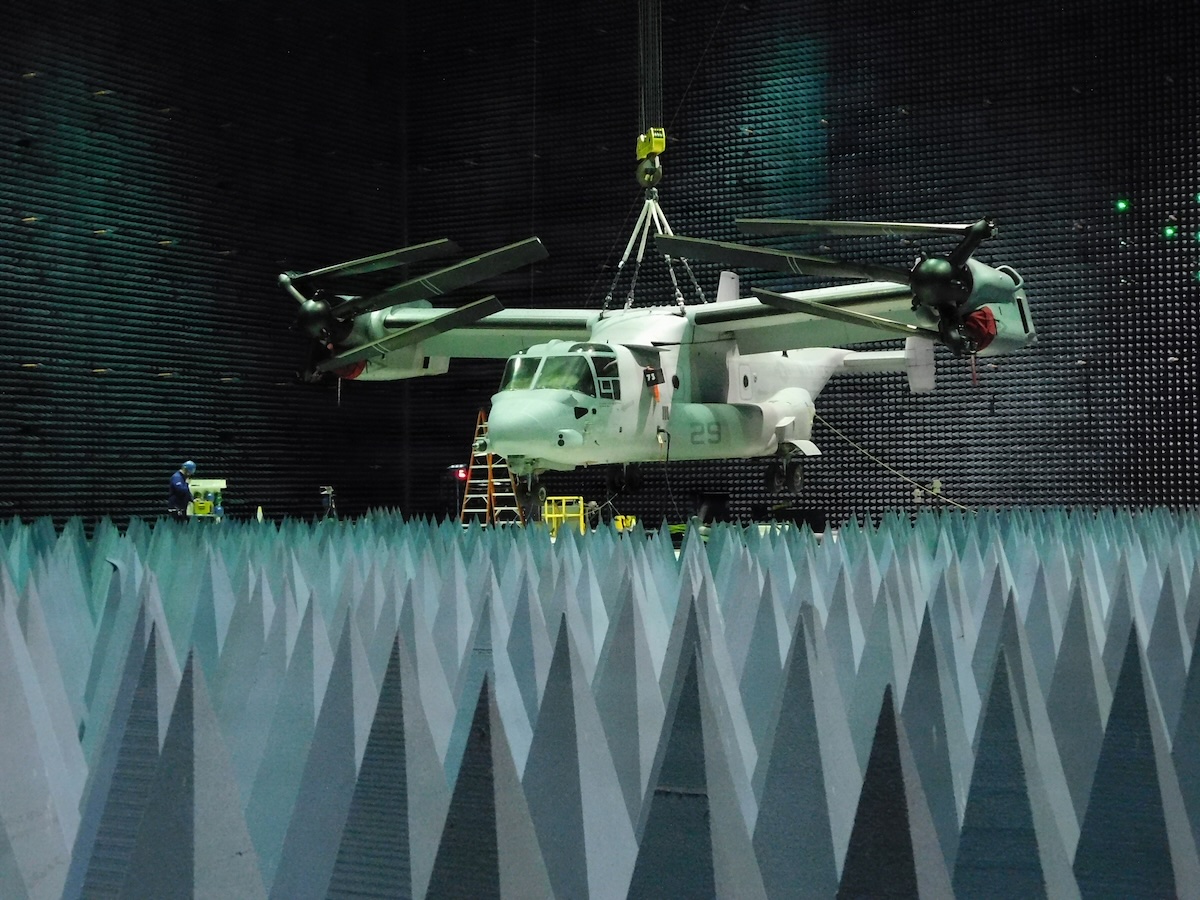
The effort involves more than 35 defense, engineering and manufacturing suppliers. Led by Bell Boeing and the program office, PMA-275, it focuses on immediate material needs, component reliability and technical modernization.
The initiative also added 14 first-time industry participants to expand the industrial base supporting the aircraft. Their involvement brings additional technical expertise to supply chain and sustainment work.
“Synchronizing our global supply chain and integrating technical innovations directly translates to higher material availability on the flight line,” said Col. Robert Hurst, PMA-275 program manager. “Optimizing component reliability across our defense industry partners ensures deployed commanders maintain the rapid expeditionary lift and logistical flexibility required to operate effectively in high-threat environments.”
Supporting deployed forces
The work supports the V-22’s role as the Marine Corps’ core tactical medium-lift aircraft. It carries troops and provides assault support for expeditionary operations.
For the Navy, the focus includes sustaining Carrier Onboard Delivery missions. These flights transport supplies, passengers and high-value cargo to deployed carrier strike groups.
The aircraft also supports long-range infiltration, exfiltration and resupply for U.S. Special Operations Command and Air Force Special Operations Command. Those missions take forces into contested and remote environments.
The Department of War said continued coordination of research, sustainment and fleet support is intended to preserve the V-22’s capabilities for decades. The effort addresses current supply requirements alongside longer-term reliability and modernization needs.