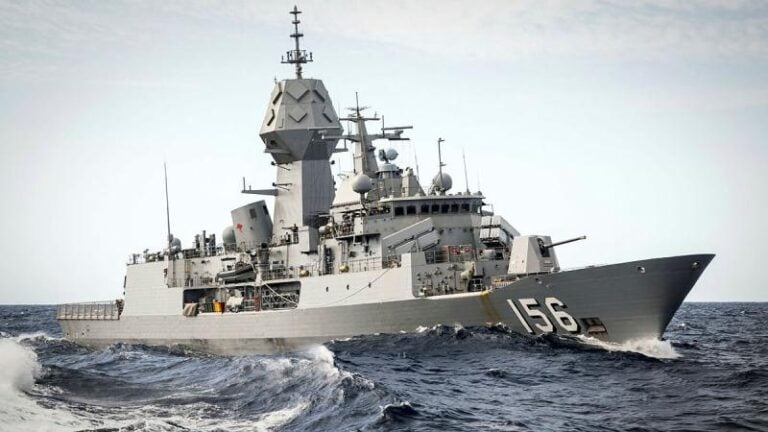
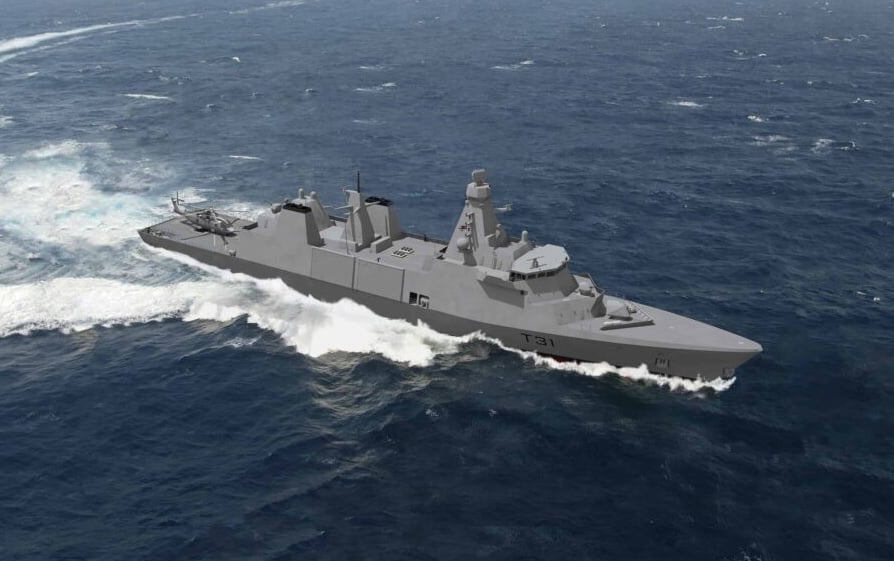
The investment gives the Type 31 a more prominent combat role within Britain’s changing maritime force. The frigates will operate alongside the Type 26 anti-submarine warfare ships while the Royal Navy expands its use of autonomous platforms and networked weapons.
The £1.6 billion allocation covers continued investment in the wider Type 31 programme rather than a standalone weapons package. The Defence Investment Plan does not provide separate values for the Mk 41 launchers, Naval Strike Missiles or integration work.
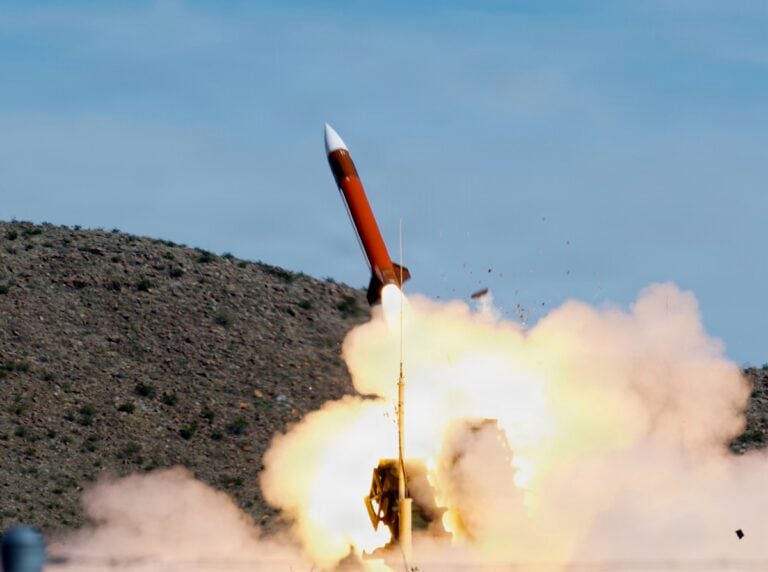
The document confirms that Mk 41 launchers will be added to increase the ships’ lethality. It does not identify which additional weapons will be procured for the launchers or when the upgraded configuration will become operational.
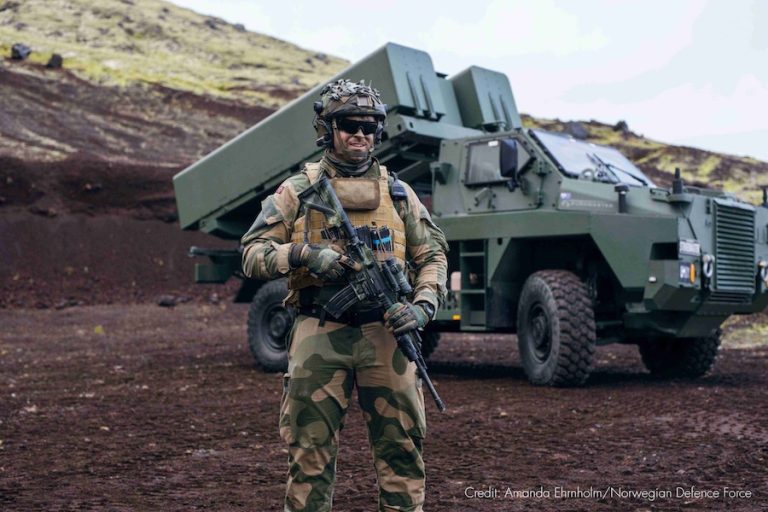
Britain also plans to equip both the Type 26 and Type 31 fleets with Naval Strike Missiles. The plan lists the Norwegian weapon among the government’s priority maritime investments but does not disclose the number of missiles to be ordered.
The Type 31s will receive new gun ammunition alongside their missile armament. That investment is intended to help the frigates defend themselves against drones and surface threats while making full use of their weapons.
The programme also supports Britain’s goal of increasing naval commonality with key allies, including Norway and Canada. The selection of the Norwegian Naval Strike Missile adds another industrial and operational link to the Royal Navy’s growing defence partnership with Oslo.
The government expects to invest at least £32 billion in new maritime capabilities between 2030 and 2035. Completing the construction and commissioning of the Type 26 and Type 31 fleets is one of the principal commitments for that period.
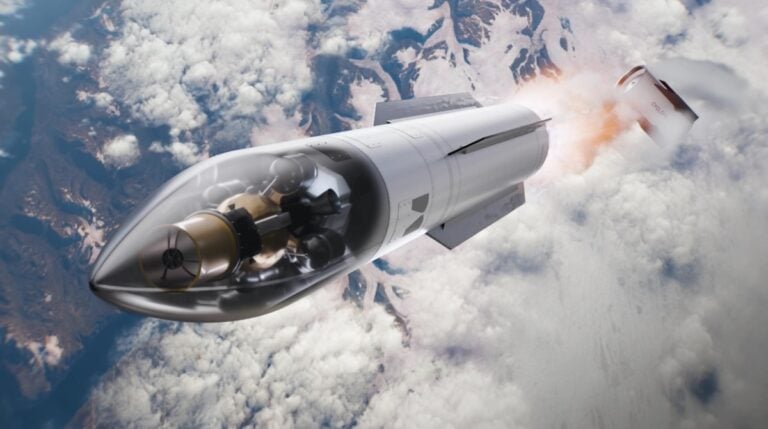
Crewed frigates will remain central to the Royal Navy even as Britain builds its planned Hybrid Fleet of autonomous missile, radar and underwater platforms. The Type 31 will therefore enter service during a broader transition towards a force combining conventional warships with distributed sensors and weapons.
The document does not name the companies responsible for the weapons integration or provide detailed delivery milestones. It establishes the intended combat configuration of the Type 31 fleet while leaving the scale and timing of the associated procurement decisions open.