The engagement began when a single Ukrainian F-16 attempted to drop glide bombs from low altitude against Russian positions. A Russian Su-35S on air patrol moved toward the Ukrainian aircraft as it was on its attack run, accelerating to give its missiles greater initial energy.
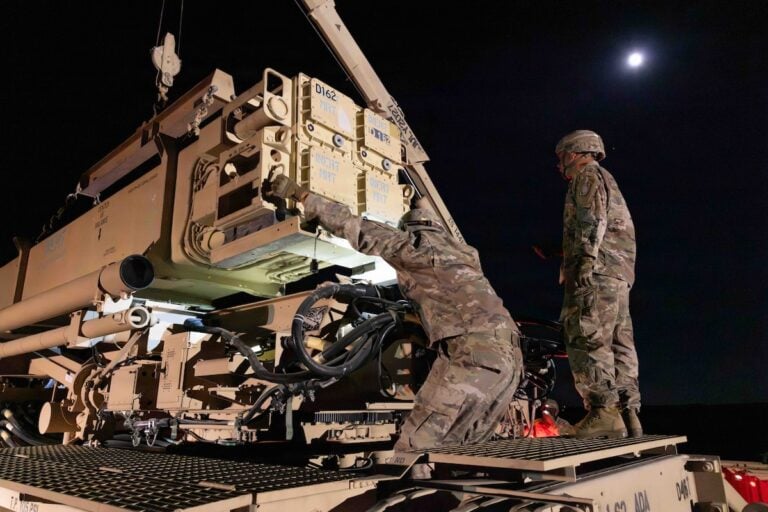
The Russian fighter then encountered a counterattack by a pair of F-16s flying somewhat farther back and much lower, which had been escorting the Ukrainian aircraft. At the same time, a Patriot system deployed close to the front revealed its position when its radar illuminated the Russian fighter with a fire-control beam.
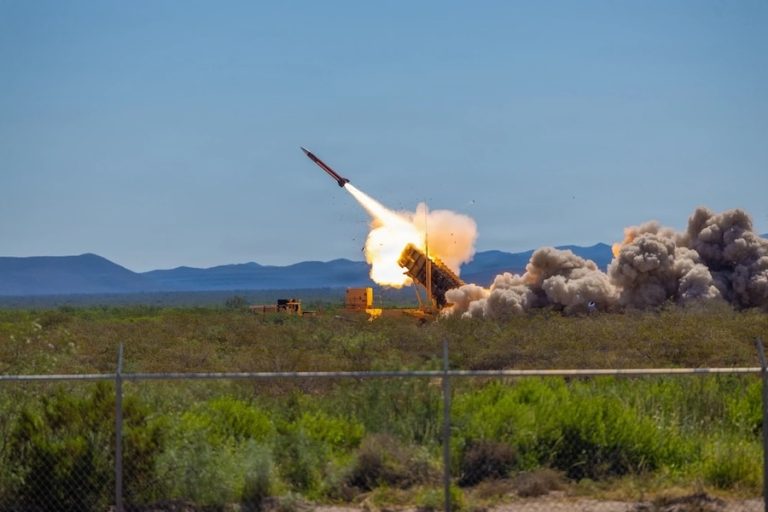
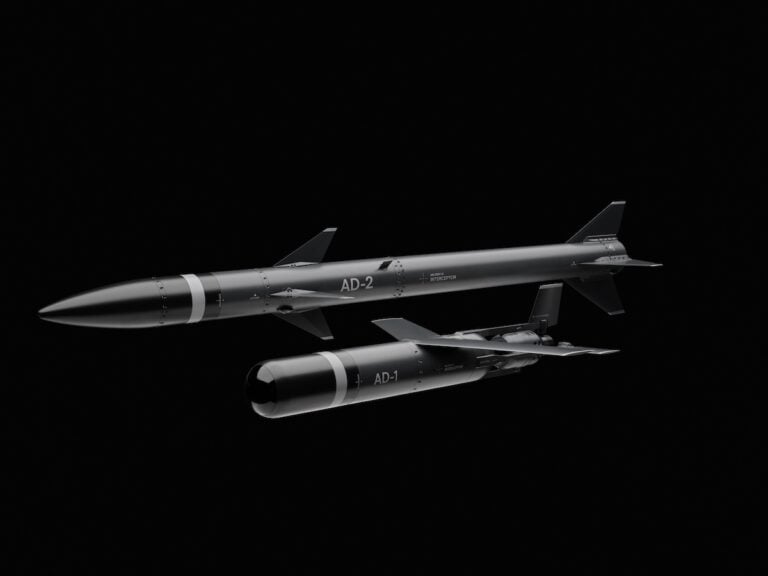
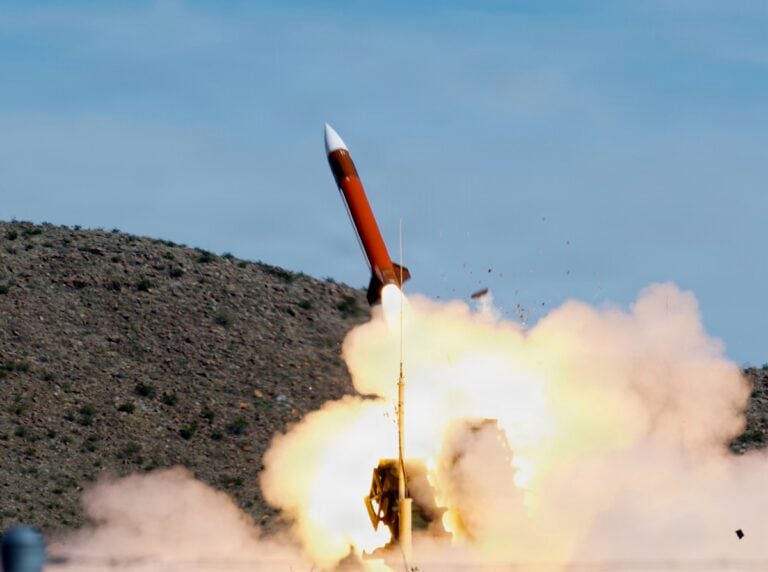
Missiles were launched both by the F-16s, which used AIM-120 AMRAAM missiles, and by the Patriot system, which fired a PAC-2 GEM-T interceptor. Caught in crossfire from several directions, the Su-35S pilot was unable to maneuver out of the threat.
The hit Russian aircraft crashed near the village of Mistki, close to Svatove in Ukraine’s Luhansk region, about 42 km from the front line. The pilot ejected over territory controlled by Russian forces and was recovered by a Russian combat search-and-rescue helicopter, typically a Mi-8PSG.
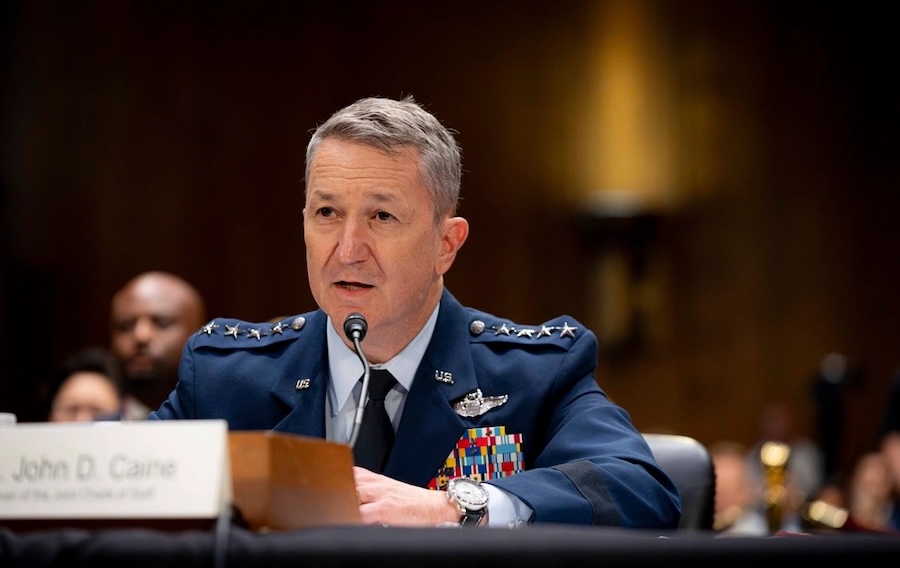
Until recently, it was not certain whose missile had shot down the Russian Su-35S. Caine’s statement now allows the incident to be officially identified as the first air-to-air success by a Ukrainian F-16 against a crewed aircraft.
The outcome was significant because Ukraine’s F-16AM Block 20 aircraft are older fighters that retained the APG-66 radar from the 1970s despite some modernization. That radar can detect fighter-sized targets at a maximum range of about 80 km.
The Su-35S, by contrast, is equipped with the powerful N035 Irbis-E radar, which can detect a similar object at 350-400 km in favorable conditions. The Russian aircraft also carries R-37M long-range missiles, which can engage air targets at distances of more than 300 km, although they are generally fired against fighters from below 200 km.
A typical AIM-120 AMRAAM B or C variant has a range of around 100 km. In this case, the missile also had to receive initial target designation from the launching aircraft’s radar, which reduced the available engagement distance.
Russia had not lost a Su-35S in the air for more than a year before the July 8 incident. The previous known case occurred on June 7, 2025, when an aircraft of this type was shot down by ground-based air defense in Russia’s Kursk region and the pilot ejected.
Including the latest case, the destruction in the air of nine Su-35S fighters has been well documented during the war in Ukraine. Six have been attributed to Ukrainian surface-to-air missile systems, while two were most likely mistakenly shot down by Russian air defense.
Ukrainian pilots generally regard the Su-35S as a very dangerous opponent. The aircraft type has been responsible for at least several Ukrainian aircraft and helicopters being shot down during the war.