Orders increased from NOK 9.5 billion a year earlier, producing a book-to-bill ratio of 2.06. The backlog grew by NOK 16.7 billion during the quarter, while order intake for the first nine months reached NOK 67 billion.
“The current security environment requires industry to deliver rapidly, reliably and at scale,” Lie said. “With a record order backlog and continued strong demand, we are well positioned to meet the needs of our customers and allies.”
Operating profit increased 66% from the third quarter of 2025, supported by higher volumes and project execution. Kongsberg said the backlog extended over many years, providing visibility for further growth.
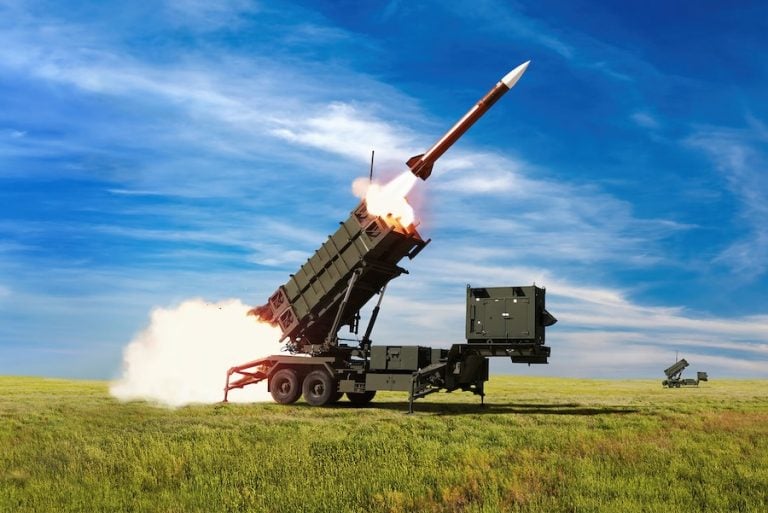
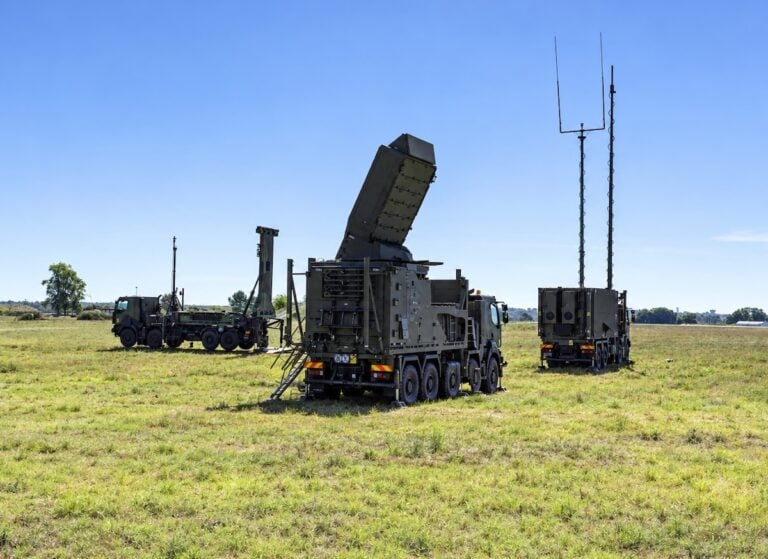
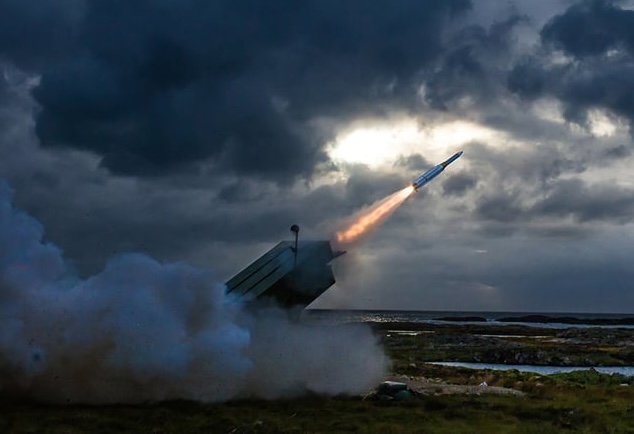
Belgium placed the company’s largest NASAMS order to date, worth approximately NOK 10 billion, becoming the 18th country to order or deploy the system. The Netherlands also signed a contract for additional NASAMS deliveries.
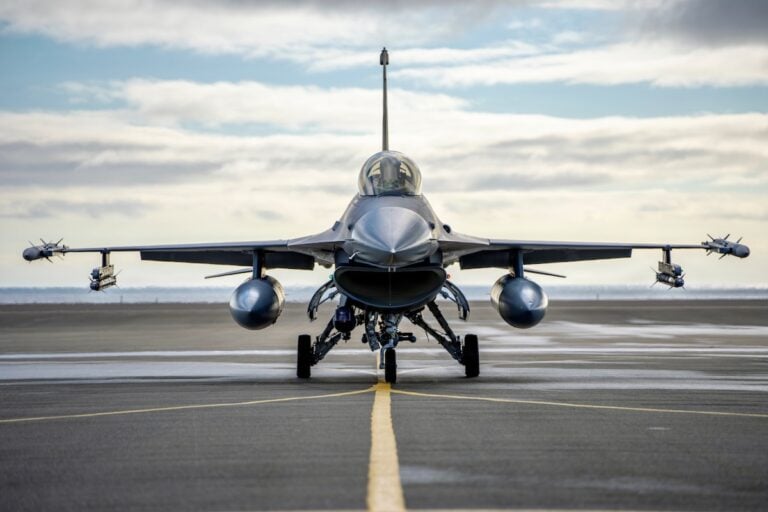
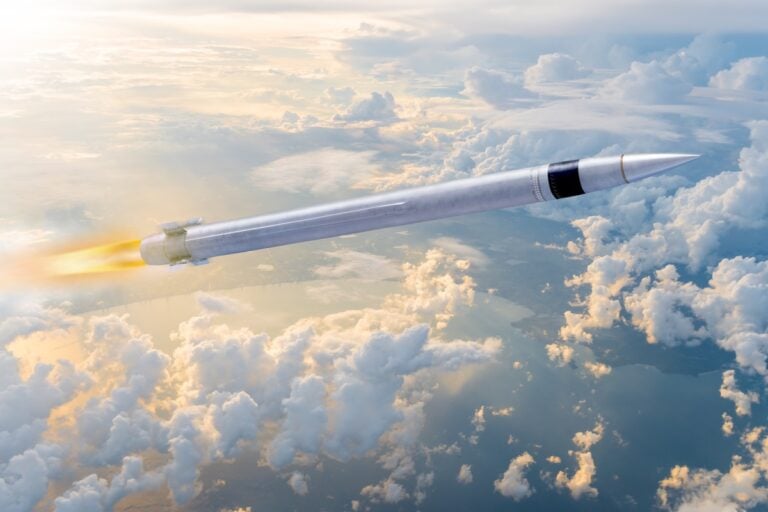
Missile demand included a July U.S. Air Force order for more Joint Strike Missiles for its F-35 fleet and a later U.S. Marine Corps framework agreement for Naval Strike Missile production and sustainment support. After the quarter, Denmark announced its intention to acquire JSM for its F-35s, becoming the seventh country to select the missile.
Kongsberg is expanding capacity through its newly opened Horten Horizon site in Norway and a recently announced factory in Poland. Horten Horizon adds 45,000 square metres of offices, laboratories and production facilities, while the Polish investment will expand European manufacturing capacity.
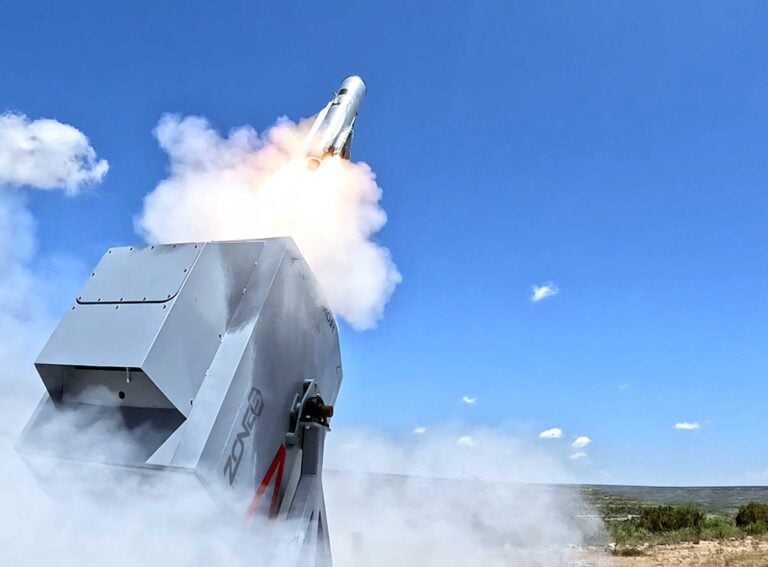
The company’s second-quarter acquisition of Zone 5 Technologies added missile systems designed for cost-effective production at scale. During the third quarter, Zone 5 was selected for a U.S. Navy programme valued at $65 million.
Kongsberg also secured a contract for remote weapon stations under the Canadian Army’s Armoured Combat Support Vehicle programme. Lie identified those systems as a key element of the company’s counter-drone capabilities, an area of growing customer interest.
“Kongsberg’s market-leading solutions in missiles, air defence and remote weapon stations address some of the most pressing security and defence challenges facing the world today,” Lie said. “At the same time, the underwater domain and satellite technology are becoming increasingly important to national security and resilience.”
The company reported a $54 million U.S. government award for autonomous underwater capabilities during the quarter. U.S. authorities also approved its acquisition of underwater acoustics specialist Sonatech, strengthening its technology portfolio and position in the American market.