The company plans to add 2 million square feet of manufacturing space across eight sites over three years, including at its munitions center in Troy, Alabama. More than half of those additions were already under construction, and Lockheed Martin was hiring and training more than 3,000 employees across its Missiles and Fire Control sites in 2026, Taiclet told investors on the company’s third-quarter earnings call.
In Grand Prairie, Texas, Lockheed Martin is expanding its manufacturing footprint to more than 735,000 square feet. The site will add an automated production cell under a manufacturing services agreement with Hadrian to make components for several missile programs.
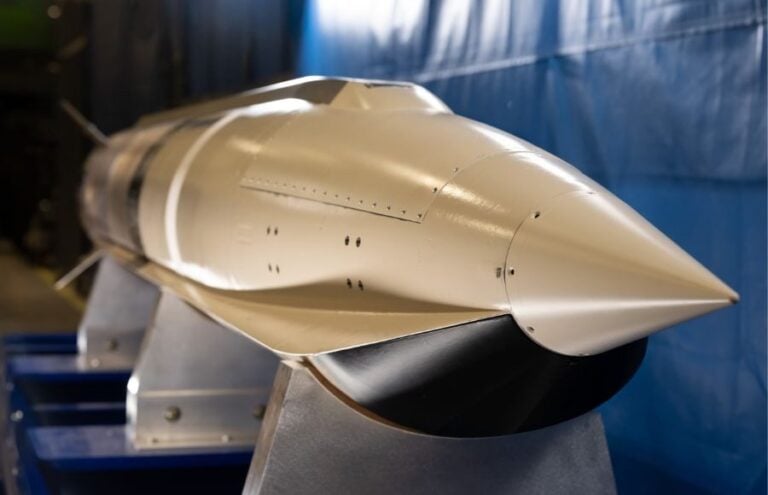
Lockheed Martin signed a framework agreement with the U.S. Department of War in the third quarter to accelerate production of the Joint Advanced Tactical Missile, or JATM, which it developed with the U.S. Air Force and Navy. Taiclet said the agreement allows the company to step up production work ahead of a multiyear contract.
“Australia has already committed to become this program’s first international customer,” Taiclet said. He said Australia’s participation strengthened the case for investing in capacity before the U.S. contract is signed.
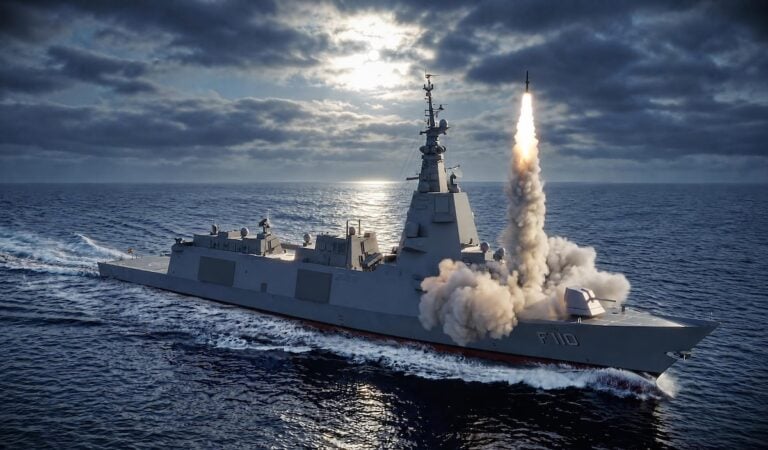
The Army’s Precision Strike Missile Increment 2 moved from flight tests in March and August to a $1.2 billion production award within the same year. Taiclet said the award would bring a maritime strike capability to the Army sooner and build on a broader U.S. effort to quadruple production of the Precision Strike Missile.
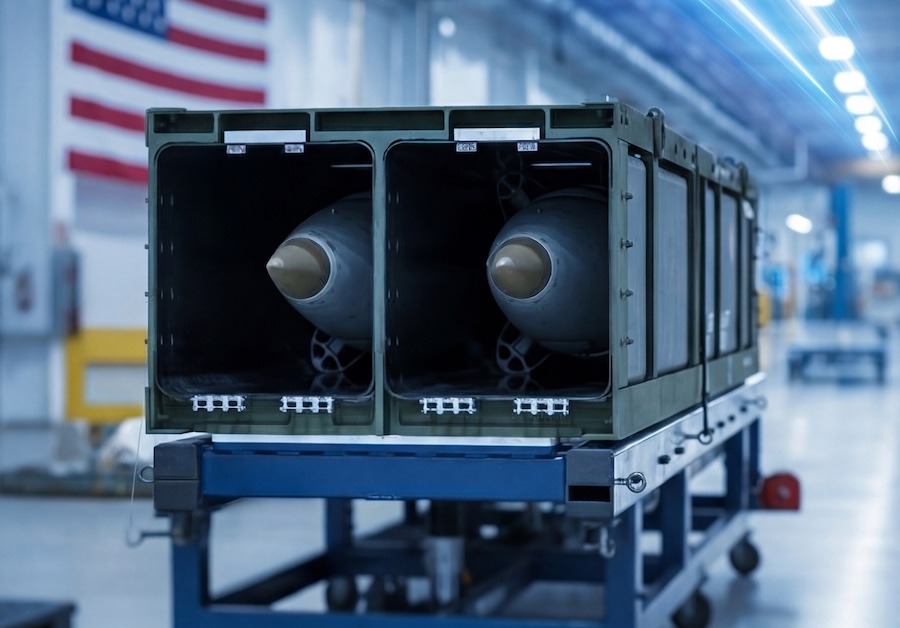
Interceptor orders still account for the largest commitments disclosed on the call. The seven-year PAC-3 contract, signed in the third quarter after a seven-year THAAD award earlier in 2026, was the largest contributor to quarterly backlog and brought the total value of the PAC-3 contract to as much as $58.6 billion, Chief Financial Officer Evan Scott said.
Lockheed Martin is also placing orders to ease production bottlenecks at suppliers. Taiclet cited a $4.7 billion PAC-3 propulsion contract with L3Harris, followed after the quarter closed by a $14.7 billion Boeing contract to triple PAC-3 seeker production and a $1.6 billion Northrop Grumman contract for propulsion and other missile components.
Scott said the government was using flexible payment terms to keep the expansion cash neutral for Lockheed Martin while it and its suppliers invest in production lines. Once output rises, missile deliveries would generate cash for the company, he said.
Taiclet said the frameworks call for an agreed starting price and annual adjustments tied to an industry inflation index. Under those terms, manufacturers could keep the savings from investments such as factory automation, giving them an incentive to improve production over the life of the contract.
The frameworks also provide for recovering investments if a future administration or Congress cuts agreed purchase volumes or shortens a contract, Taiclet said. Scott said profit terms and production schedules remained open for contracts still under negotiation, with schedules subject to change as the company and government invest in capacity.
“We are not going to enter into these agreements if we cannot get at or better financial outcomes than in the past,” Taiclet said. He said longer commitments would help suppliers invest in their factories and retain skilled workers when annual orders fluctuate.
Missiles and Fire Control sales and operating profit both rose 24% in the third quarter from a year earlier, and Lockheed Martin said the increase in munitions production was ahead of schedule. Scott said the company expects the segment’s sales to grow at a compound annual rate in the mid-teens over the next five years and is still working to convert additional framework agreements into long-term contracts.