The proposal includes funding for new equipment, infrastructure upgrades and pay increases for military personnel. It also aims to strengthen supply chains and support domestic defense production.
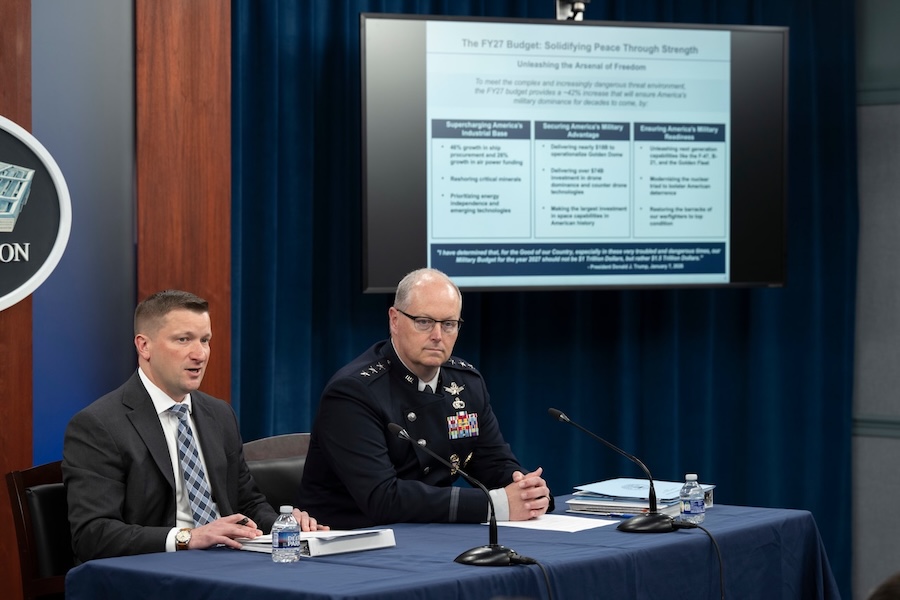
Pete Hegseth said: “We are delivering on President Donald J. Trump’s commitment to expand American military dominance for decades to come.” He added: “This budget builds this arsenal without compromising readiness that will ensure we remain the world’s premier fighting force, we protect the homeland, and we create peace through strength now and into the future.”
The budget represents a 42 percent increase compared with the previous year. It is described as a long-term investment in military capability and industrial capacity.
Jules W. Hurst III said: “This is a generational investment in the United States military— the arsenal of freedom.” He added: “This 42% increase will supercharge our defense industrial base by expanding production of major weapon systems, while strengthening supply chains and supporting tens of thousands of small and medium-sized businesses.”
Approximately 52 percent of the budget is allocated to procurement and capability development. More than $750 billion is designated for weapons systems, including aircraft, ships and munitions.
Hurst said: “The FY27 defense budget will be the largest investment in military capabilities in over a generation.” He added that the funding will support expanded production and modernization across multiple domains.
The budget also includes more than $100 billion to strengthen the defense industrial base. This funding is intended to support both large contractors and smaller suppliers critical to production.
Hurst said: “Large defense firms are critical to our national security, but they rely on tens of thousands of small and medium-sized businesses to provide the parts, components and materials to larger firms.” He added: “For example, the F-35 program alone has over 2,100 suppliers, and more than half of these are American small businesses.”
The department plans to expand multiyear procurement contracts for key munitions. These contracts are designed to provide stability and encourage long-term investment across the supply chain.
Hurst said: “When the Department of War oscillates between buying large numbers and small numbers of a weapon system, large defense companies can tolerate that fluctuation, but the small and medium-sized defense suppliers who aid them cannot.” He added: “In every instance where we know we’re going to continue to buy a system over a prolonged period of time, we’re going to request multiyear authorities from Congress.”
The proposal allocates $71.4 billion to modernize the nuclear triad, including submarines, bombers and intercontinental ballistic missiles. Additional funding is directed toward nuclear command, control and communications systems.
Steven P. Whitney said: “This budget request continues a generational modernization effort across all three legs of the triad to ensure the continued effectiveness of our nuclear deterrent.” He added that investments in command and control systems will strengthen strategic decision-making.
The budget includes $65.8 billion for naval shipbuilding under the “Golden Fleet” initiative. It also allocates $8.7 billion to expand shipyard infrastructure and maritime industrial capacity.
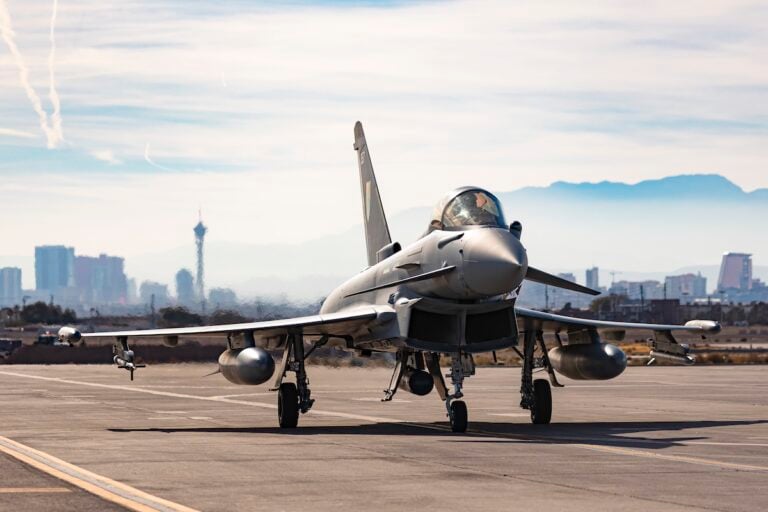
On land and in the air domains, the proposal increases funding for missile systems and aircraft production. It includes plans to raise F-35 production to 85 aircraft in fiscal year 2027.
Facility improvements are also a major component of the budget. The proposal includes $57 billion for sustainment, restoration and modernization of military infrastructure.
Whitney said: “We’re addressing the poor and failing structures in our facilities and bases.” He added: “A major portion of this commitment … is ensuring our service members have clean, comfortable and safe housing.”
The plan also includes funding to address substandard barracks and improve family housing. The initiative aims to enhance living conditions and overall quality of life for service members.
Whitney said: “Investments in this budget will fix all substandard barracks and eliminate barracks that have been deemed poor or failing.” He added: “Our joint force and families deserve quality housing.”
The budget proposal also includes pay increases for military personnel across ranks. Lower-ranked service members would receive the largest percentage increases.
Whitney said: “With this funding request, we directly invest in our people, recognizing and respecting our warfighters, their families and the daily sacrifices they both make for our nation.”
Source: U.S. Department of War.