
Kyiv was the main target of the attack. Russia used 351 drones, 33 Kh-101 cruise missiles, six Kalibr cruise missiles, six 3M22 Zircon anti-ship missiles and 23 Iskander-M or S-400 ballistic missiles.
Ukrainian defences neutralised 326 drones through physical destruction or electronic warfare measures. They also destroyed or neutralised 31 Kh-101 cruise missiles and all Kalibr missiles used in the strike.
The situation was worse in the case of 3M22 Zircon aeroballistic missiles and Iskander-M ballistic missiles, as well as improvised missiles based on S-300 or S-400 systems. Ukraine did not shoot down any of them, which points to either a lack of missiles or the critical conservation of missiles in Patriot batteries deployed around Kyiv.
Ballistic missiles are among the most difficult targets for air and missile defence systems. This is because of their very high attack speed, which can exceed Mach 7, or about 2,000 metres per second, and because their warheads, usually weighing up to 500 kilogrammes, are resistant to damage.
Ballistic missiles reach very high speeds by falling from space after first being carried upward by a rocket engine. Their structures are also very strong because they must survive flight through the atmosphere.
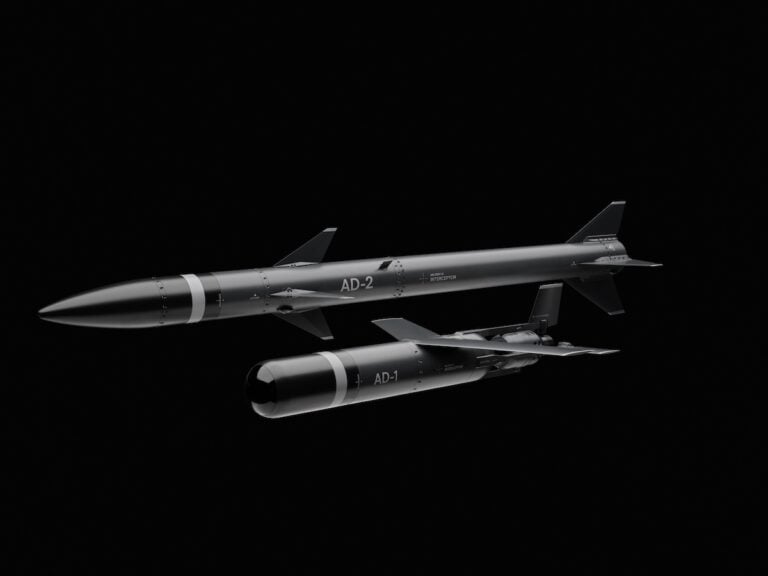
As a result, the simplest anti-aircraft missiles with fragmentation warheads, which are effective against targets such as aircraft, are not enough even when they can intercept a missile on a collision course. Defeating such targets requires specially designed interceptor missiles.
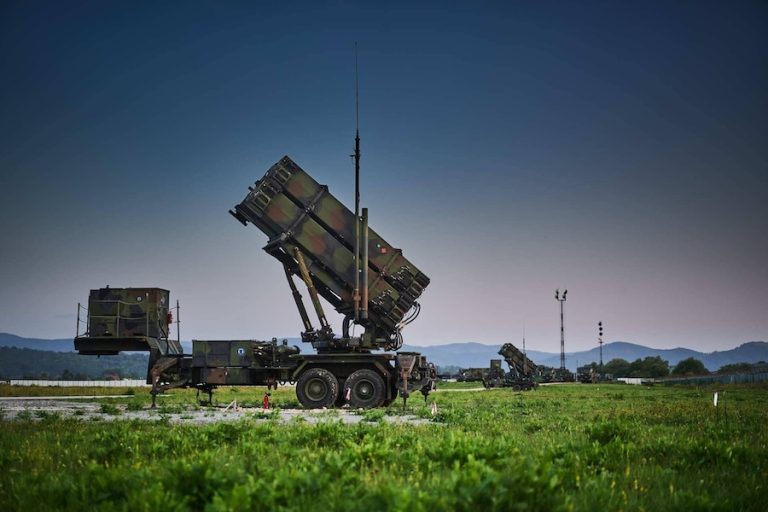
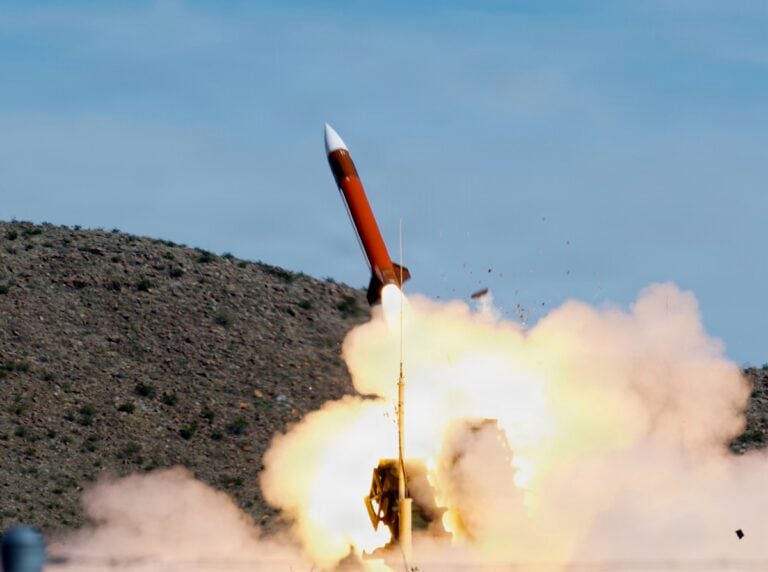
These interceptors use either fragmentation warheads optimised for heavily protected targets or more effective but more expensive kinetic warheads that destroy the target through the force of impact. In Ukraine’s case, apart from post-Soviet S-300-type systems, its anti-ballistic shield is provided by older MIM-23 HAWK systems, which have limitations, and by newer Patriot and SAMP/T systems.
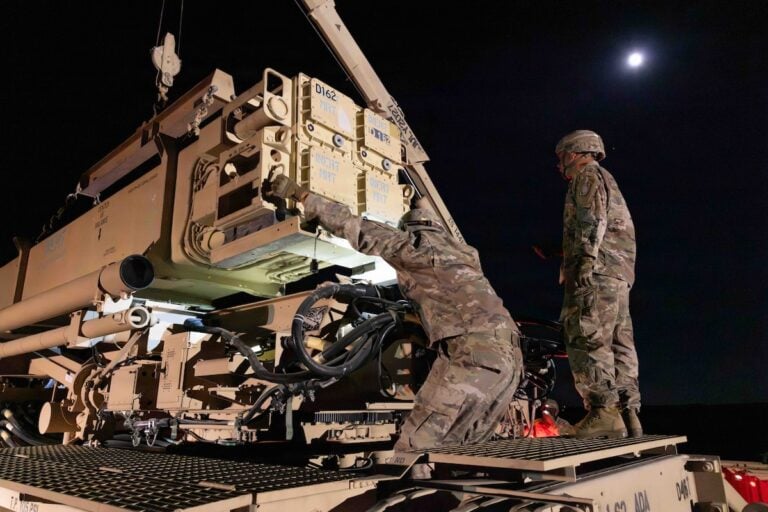
The article said Ukraine has too few Patriot and SAMP/T systems and lacks sufficient missiles for them. It added that PAC-3 MSE missiles have become scarce globally, with annual production unable to meet worldwide demand.