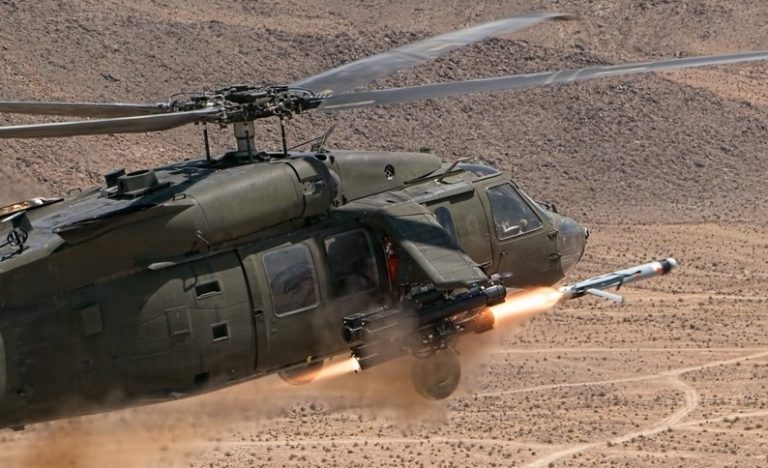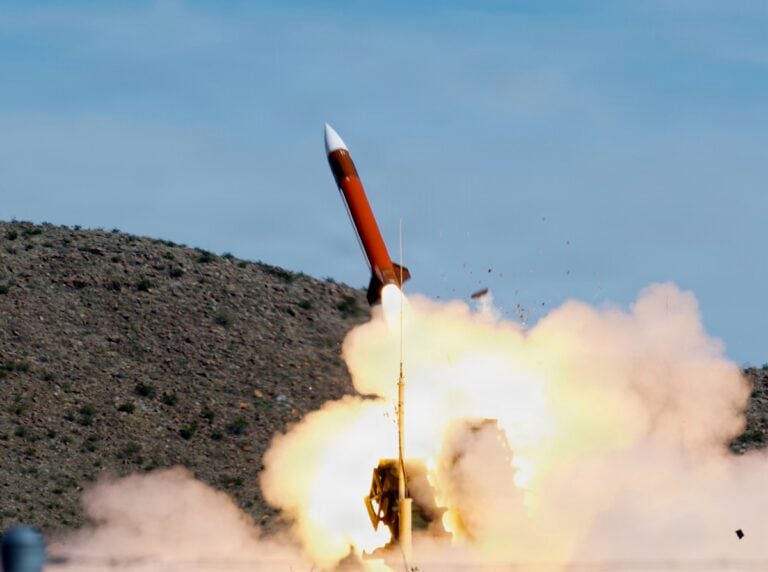

The 4th Infantry Division is operating the architecture under realistic combat-training conditions. The Army is evaluating whether the network can connect systems and provide commanders with a shared operational picture.
The architecture is designed to move information across the force and synchronize effects across multiple domains. It combines transport, integration, data and applications within a common command-and-control environment.
“NGC2 is not just a piece of technology, it’s a whole stack approach to command and control – transport, integration, data, and applications” said Maj. Gen. Patrick Ellis, commanding general of the 4th Infantry Division. “PC-C6 has allowed our team to experiment with the entire ecosystem in the unforgiving terrain and harsh climate at Fort Irwin and gather data for Army leaders to inform future decision making on modernization efforts.”
Project Convergence is the Army’s main annual event for testing emerging technologies before they are fielded to operational forces. It brings together U.S. joint-force components, multinational allies and partners, and industry.
The Army is evaluating NGC2 alongside more than 90 developing capabilities during Capstone 6. The technologies are being assessed for their ability to improve interoperability and accelerate operational decision-making.
Soldiers are operating the systems and providing immediate feedback during the experiment. That feedback is shared with Army leaders and industry partners to inform further development.
Operational events involving the 4th Infantry Division over the past year have already contributed to changes in the NGC2 architecture. The Army recently established a common data layer to support faster integration of commercial technologies across the network.
The common data layer can support resilient transport, edge computing, third-party applications and artificial intelligence models. The Army said the approach is intended to connect commanders more quickly with the information needed for decisions.
“The value of NGC2 is getting the right information to the right commander at the right time,” said Lt. Col. Rangel, deputy chief of staff, Command and Control Support Element. “Project Convergence allows us to evaluate how quickly data moves across the network and how that improves commanders’ ability to synchronize effects in a dynamic operational environment.”
The Army is collecting data throughout PC-C6 to shape the next stages of NGC2 development. The results will inform how the service extends the architecture to additional formations.
The wider objective is to help commanders sense, decide and act faster in increasingly complex operating environments. Project Convergence gives the Army an operational setting to test that approach before capabilities move toward broader fielding.