

For the maintainers from Malmstrom Air Force Base selected for the mission, the launch followed months of planning, technical preparation and long hours. Their work focused on ensuring the missile system arrived ready to perform as intended.
Tech. Sgt. Marcus Rondot, a 341st Missile Maintenance Squadron missile maintenance team chief, led a certified team chosen to transport the missile from Malmstrom to Vandenberg. “Our team is the best team in the Air Force,” Rondot said.
“We were selected because of the trust placed in our experience, discipline and attention to detail. [People] can rest easy knowing that teams like ours are keeping these systems at their peak capabilities every day,” he added.
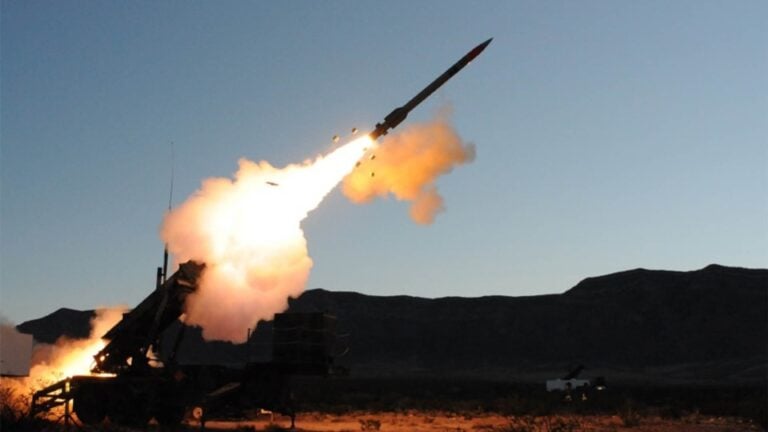
The Air Force said Glory Trip launches are the visible part of the mission, while most of the work takes place before the missile leaves the ground. The 341st Missile Maintenance Squadron is responsible for maintaining the immediate readiness of the ICBM fleet at Malmstrom.
For Glory Trip 256, that responsibility extended beyond the missile field. The team worked to preserve the integrity of the weapon system during transport and relocation before the launch.
Missile maintenance Airmen complete months of technical training at Vandenberg before receiving additional hands-on instruction on their assigned systems. For this launch, Malmstrom’s team applied that training to a mission requiring exact execution.
The selected team spent the week at Vandenberg, with some Airmen working up to 20 hours in a single day to support the test. The schedule reflected the level of precision required to demonstrate the readiness, reliability and effectiveness of the Minuteman III weapon system.
“Most people will only ever see the launch, but I see the Airmen behind it,” said Col. Luke Stover, 341st Maintenance Group commander. “This team was selected for a reason, and they proved exactly why.”
“Their professionalism, resilience and pride in the mission were evident from start to finish,” Stover added.
Missile maintainers perform their mission with the hope that the system will never be used in combat. Operational test launches provide a rare opportunity to see the result of their work in a controlled environment.
“It’s a bad day if [the missiles are] launching,” said Senior Airman Kolton Weaver, missile maintenance technician with the 341 MMXS. “To be able to see a missile launch in a safe environment keeps us motivated and helps us see the end goal of our work.”
Although Glory Trip launches are scheduled years in advance, preparation begins months before launch day. For Rondot’s crew, the mission involved nearly 280 days of planning, coordination and technical work.
The Air Force said the Airmen of the 341st Missile Maintenance Squadron helped make Glory Trip 256 possible through long hours, technical expertise and disciplined execution. The launch demonstrated that the strength of the nation’s deterrent depends on both the Minuteman III system and the personnel trusted to sustain it.