
The connected marketplaces allow allies and partners to procure drones and systems designed to defeat them. The Army said current partners will deepen their commitments and additional nations will join for the first time.
The signing will mark the largest single expansion of the marketplace since its establishment. The Counter-UAS Marketplace is managed by Joint Interagency Task Force 401.
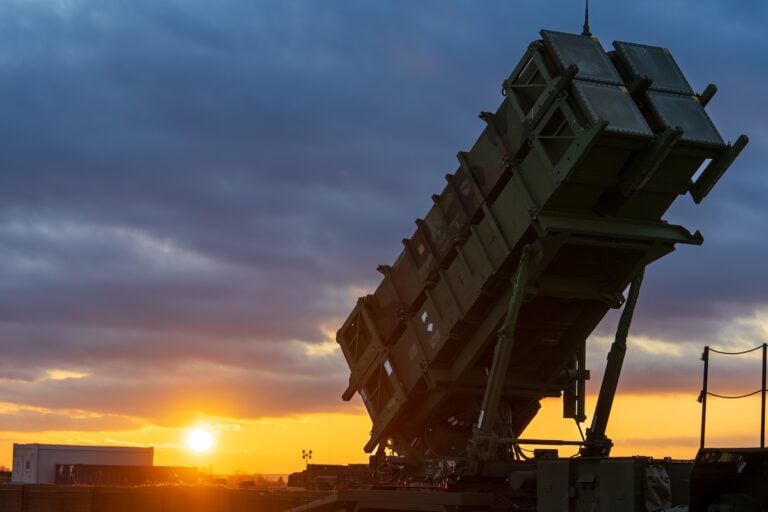
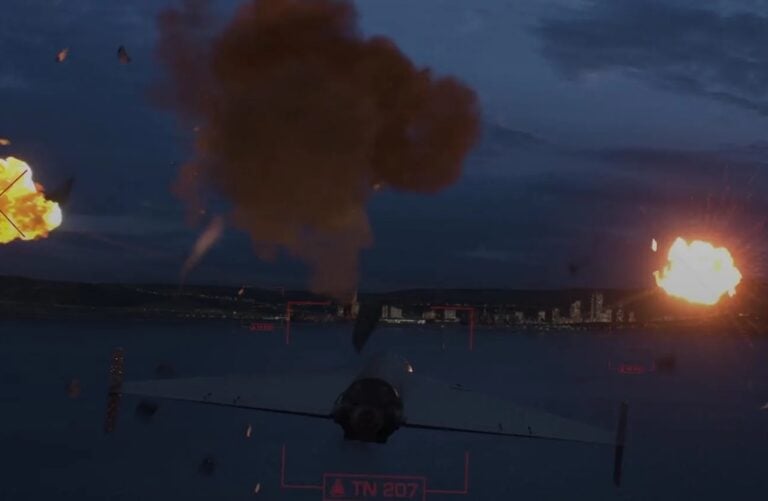
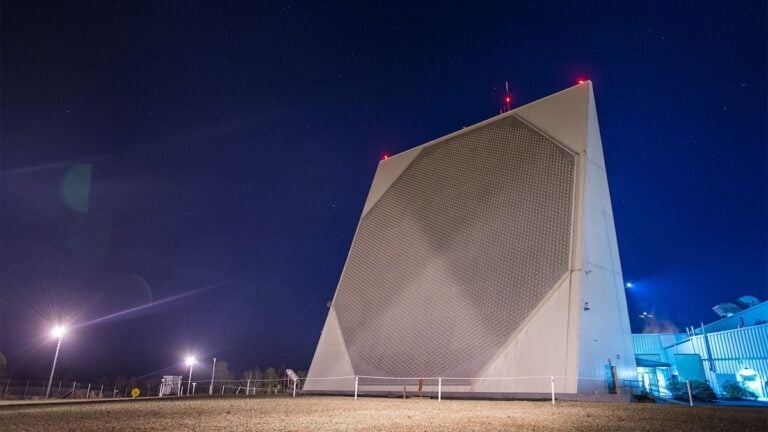
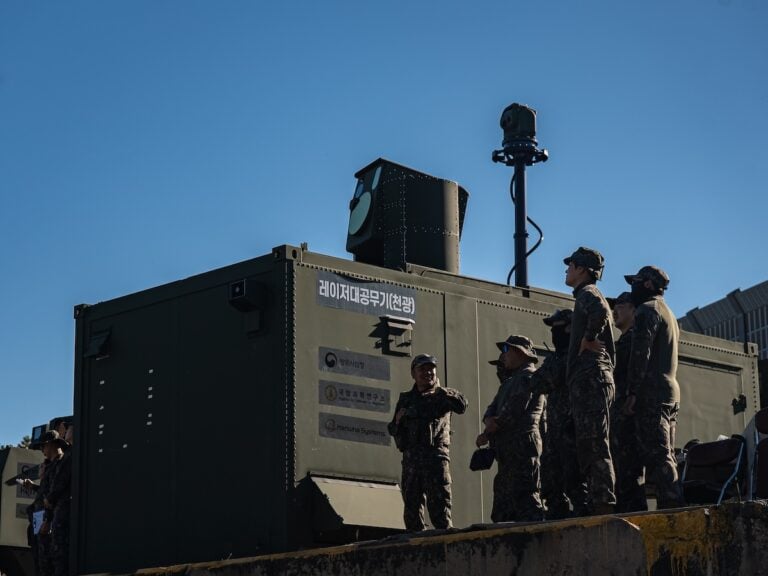
The marketplace gives allies and partners access to counter-drone capabilities proven on current battlefields. These include low-collateral interceptors, radars, sensors, electronic warfare systems and low-tech passive defence measures, including physical barriers.
The Army said nations have historically run separate counter-drone acquisition pipelines, with timelines measured in years while drone threats change weekly. Its marketplace model aggregates allied demand and requires every system to meet common data standards.
The Army said this allows participating nations to identify, procure and field common and credible solutions at the pace of modern war. It said the approach is intended to close the gap between fast-evolving drone threats and slower defence procurement systems.
“The proliferation of drones changed warfare faster than any of our institutions were built to move, and the gap between how fast the threat evolves and how fast we field is measured in soldiers’ lives,” said Driscoll. “Closing that gap is not something any one nation does alone. That is what this marketplace is for, and that is what the nations signing in Paris have chosen.”
The signing builds on agreements concluded over the past year with the United Kingdom, Romania, Australia, Poland and the Republic of Korea. The process began with a March 2026 joint declaration between the United States and the United Kingdom establishing common C-UAS data standards.
Those data standards are now an entry requirement for every system in the marketplace. The Army said its goal is to expand marketplace access to 25 allied and partner nations by the end of summer 2026.
“President Trump and Secretary Hegseth have been clear: speed and scale win,” said Driscoll. “A marketplace like this sustains the demand that keeps our defense industrial base warm — so that if the day comes when we need capability fast and in volume, the capacity is already there. You cannot build it after you need it.”
The Army said the marketplace strengthens the defences of participating nations while also supporting industry on both sides of the Atlantic. It said common standards and aggregated demand lower barriers for new entrants, increase competition and give proven systems a path to scale across the coalition.
“C-UAS is both a warfighting and homeland defense imperative,” said Brig. Gen. Ross, director of JIATF-401. “We are moving at the speed of relevance by cutting through red tape, consolidating resources, and establishing a robust 2-way c-UAS marketplace.”
“The JIATF-401 marketplace helps aggregate that demand, ensuring our defense industrial base is ready to scale production to give our warfighters, allies, and partners direct access to proven counter-drone technologies,” Ross said. The Army said the approach ensures no single nation or company carries the burden of countering drone threats alone.
The Army said streamlined access to vetted technologies helps NATO members convert recent defence spending commitments into real capabilities. These capabilities are intended to protect forces against persistent unmanned threats.
Recent European exercises, including Project Flytrap and NATO Land Command’s Task Force-X, have shown the need for such systems, according to the Army. It said the systems are required to support the Alliance’s Eastern Flank Deterrence Initiative.
The signing ceremony will take place on June 16 at the Association of the United States Army Pavilion at Eurosatory.