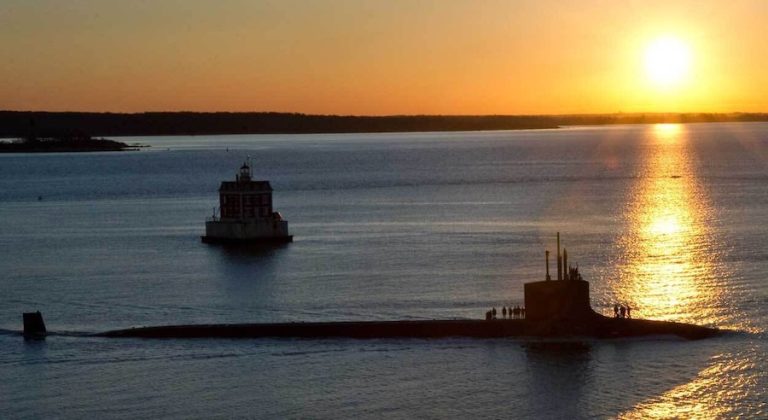
The Sixth Fleet announced the port call from Naples, Italy, but did not identify the submarine by name. The operational locations of U.S. ballistic missile submarines are typically classified because of their central role in the country’s nuclear deterrence posture.
“The port visit demonstrates U.S. capability, flexibility, and continuing commitment to its NATO allies,” the Sixth Fleet said in its statement. “Ohio-class ballistic missile submarines are undetectable launch platforms for submarine-launched ballistic missiles, providing the U.S. with its most survivable leg of the nuclear triad.”
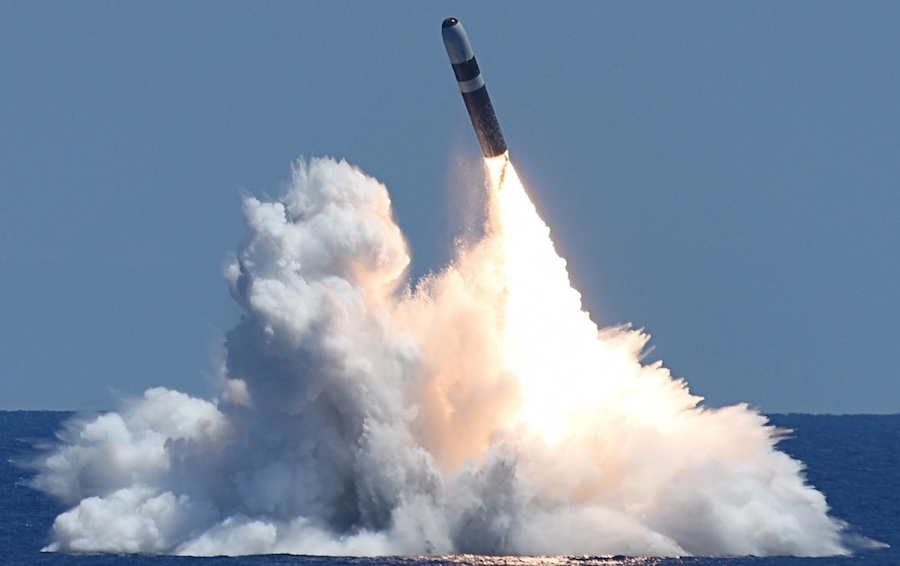
The Ohio-class fleet consists of 14 ballistic missile submarines and four guided missile submarines. The vessels are designed for extended deterrence patrols and are capable of carrying Trident II submarine-launched ballistic missiles.
The guided missile variants of the Ohio class can also carry more than 150 Tomahawk cruise missiles. The submarines are regarded as among the most survivable strategic weapons platforms operated by the U.S. military because of their stealth and endurance.
The submarine’s arrival in Gibraltar came amid renewed tensions between Washington and Tehran over ceasefire negotiations and regional security issues. Trump told reporters on Monday that the U.S. ceasefire with Iran was on “life support” and described it as being “unbelievably weak.”
According to reports, Iran’s latest counterproposal included demands related to war reparations, recognition of Iranian sovereignty over the Strait of Hormuz and the lifting of U.S. sanctions. Trump described the proposal on Sunday as “totally unacceptable.”
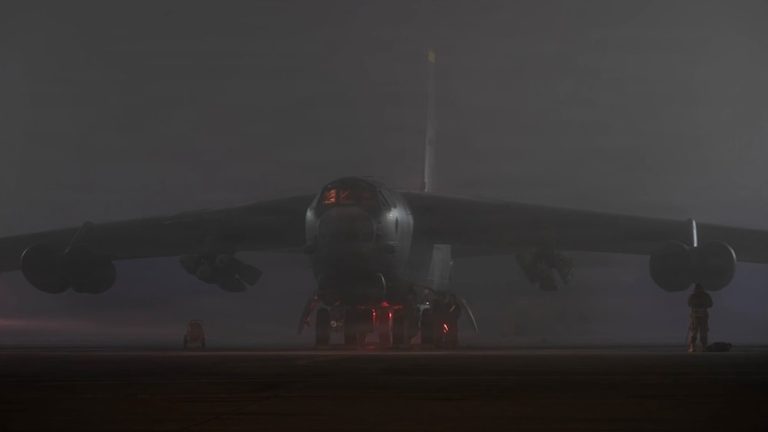
The public confirmation of the submarine’s location marked an unusual disclosure by the Pentagon, which rarely comments on the movements of strategic nuclear assets. Military analysts have long viewed ballistic missile submarines as a critical element of the U.S. nuclear triad because of their ability to remain concealed while maintaining global strike capability.