

The letter, sent to lawmakers last week, highlights concerns over the age and readiness of the current fleet. “The United States Air Force is the oldest, the smallest, and the least ready in its 78-year history,” the letter states, adding, “We must build a fighting force that will win.”
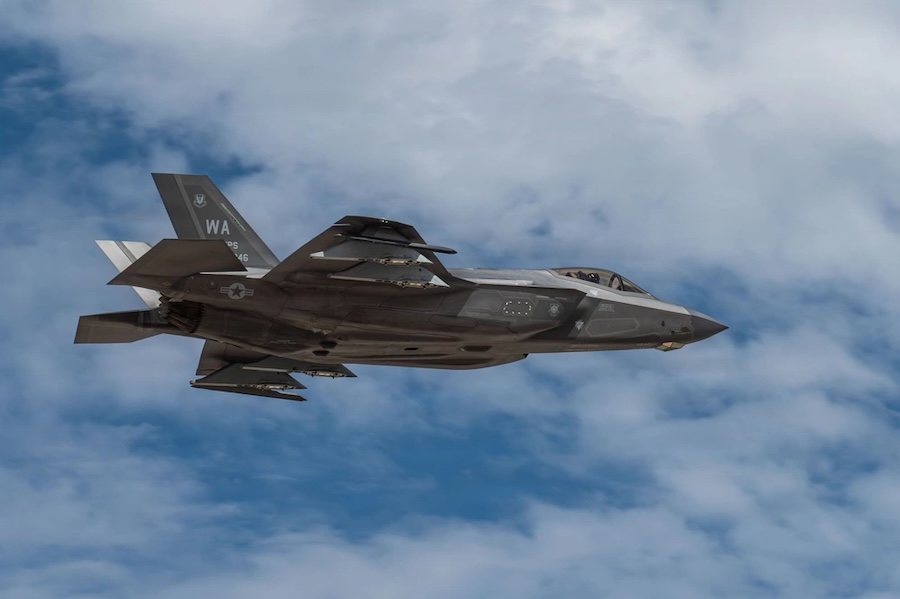
The signatories are calling for a minimum annual procurement of 72 aircraft, including 48 F-35s and 24 F-15EXs, while identifying a goal of more than 100 fighters per year. They also outlined a “desired goal” of acquiring 72 F-35s and 36 F-15EXs annually to “effectively build a force that will prevail if deterrence fails.”
Shannon Smith said the effort marks the first time all 22 adjutants general from states with Guard fighter units have signed a joint letter. “This is a pretty big deal,” Smith said, adding, “What we’re trying to do with this is send a strong message from the two-star generals that command the National Guards in these states.”
Smith said the proposed procurement levels apply to the total force, including Active Duty, Guard and Reserve units. He added that follow-on engagement with congressional delegations is underway to build support for the initiative.
The push comes as operational demands and budget considerations highlight a long-standing modernization gap between Active Duty forces and the Guard and Reserve. Smith pointed to ongoing operations, saying, “We all see the headlines of the amazing things our service men and women do,” and added, “We are burning these jets and the Airmen over time to support the joint force to accomplish the president’s goals with Epic Fury in this conflict with Iran.”
Even if funding and production capacity were aligned, Smith said replacing legacy aircraft across the fleet could take 10 to 15 years. The Air Force’s recent budget requests have remained below the levels proposed by the adjutants general, with F-35 procurement ranging from 24 to 48 aircraft annually in recent years.
F-15EX procurement has also varied, with requests between 18 and 24 aircraft per year in recent budgets. The last time the Air Force acquired more than 72 fighters in a single year was in 1998, underscoring the scale of the proposed increase.
“If we keep dabbling under 72, that isn’t winning, that is raising the water line,” Smith said. “If we don’t procure at a higher rate, all of these fighter squadrons will remain with ’70s-era fighters. Most of the money will go to keep them flying. In a few years, they’ll be struggling to be flyable, let alone be relevant.”
The new aircraft are intended to replace aging A-10s, F-15Cs and, in later phases, F-16s. Smith said newer platforms would improve readiness, noting, “Aircraft availability directly correlates to age,” and adding, “You get a new fighter, aircraft availability, parts availability, all that stuff gets better.”
The letter also emphasizes the importance of multiyear procurement contracts to stabilize production and reduce costs. Such contracts allow for better industrial planning and investment, with a Congressional Research Service report estimating potential savings of 5 to 15 percent for programs like the F-35.
Guard leaders also called for clearer plans to modernize Reserve and Guard units alongside Active Duty forces. “The Air Force must equally prioritize the remaining 13 ANG fighter squadrons for recapitalization into advanced fighters,” the letter states, adding, “Cascading legacy fighters from the Active component to the Reserve component is NOT recapitalization.”
Source: Air & Space Forces Magazine.