

The proposed budget is divided into two main components reflecting the administration’s priorities. A base budget of $1.1535 trillion includes $53.5 billion allocated to nuclear-related and other defense activities, while an additional $350 billion for procurement would require approval through a separate Senate reconciliation process.
The plan places strong emphasis on expanding procurement of weapons, military equipment and munitions. Total acquisition spending could reach $413.1 billion, accounting for 28 percent of the budget and representing an 85 percent increase compared with 2026 levels.
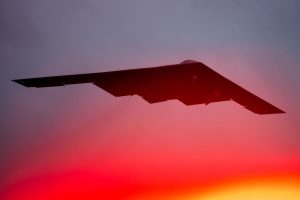
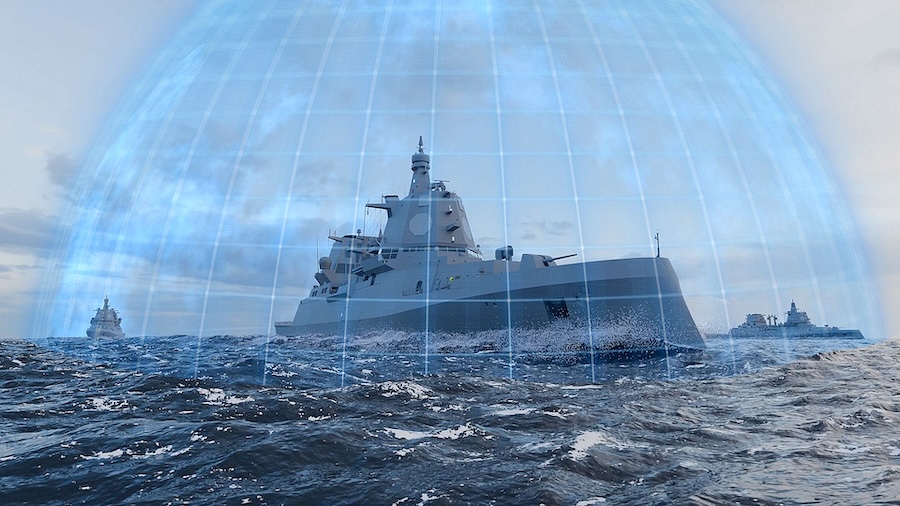
Key priorities include next-generation weapons programs, naval expansion, space capabilities and replenishment of munitions stockpiles. The proposal allocates $17.5 billion to the “Golden Dome” missile defense program and $5 billion to the development of the F-47 sixth-generation fighter aircraft.
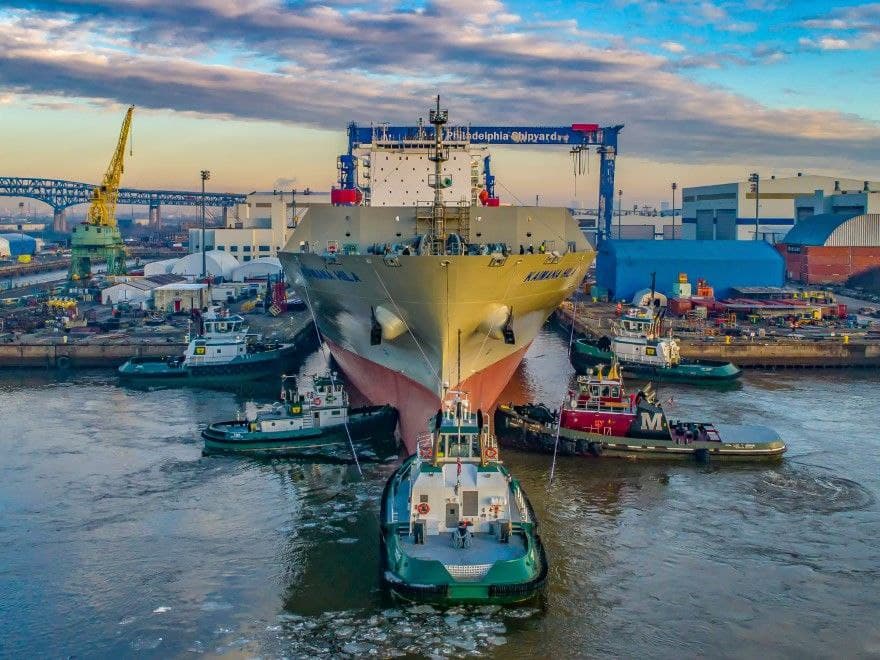
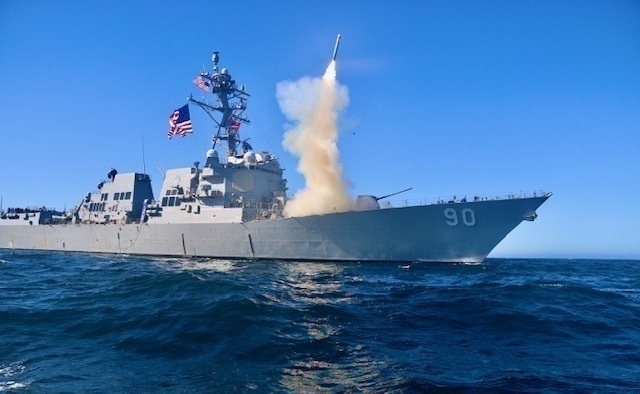
Naval forces receive a significant boost under the plan, reflecting U.S. strategic focus on the Indo-Pacific region and competition with China. The U.S. Navy is seeking $65.8 billion for shipbuilding, compared with approximately $45 billion in the 2026 budget.
The funding would support the construction of 34 new vessels, including 18 combat ships such as submarines, amphibious platforms, a guided missile destroyer and a new type of frigate. The proposal also includes a first “Trump-class” battleship, a concept that has drawn attention and debate.
Airpower remains a central element of the proposed spending increases. The Department of the Navy plans to allocate $34.4 billion for aircraft procurement, including 10 F-35B and 37 F-35C fighter jets, compared with 23 aircraft funded in 2026.
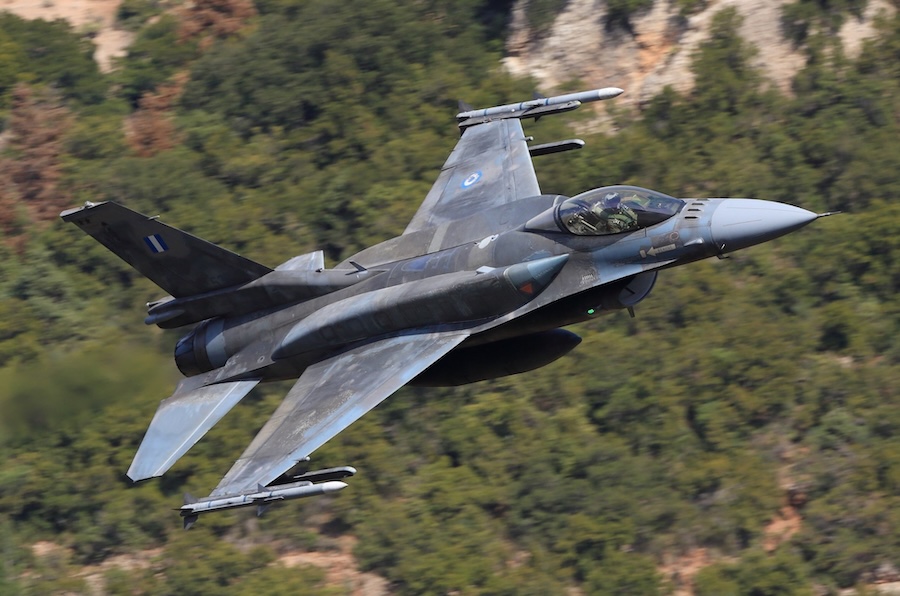
The U.S. Air Force is also expected to expand its fleet, increasing planned purchases of F-35A fighters to 38 from 24 in the previous budget year. In parallel, the service intends to begin procurement of Collaborative Combat Aircraft drones and hypersonic cruise missiles such as the Hypersonic Attack Cruise Missile.
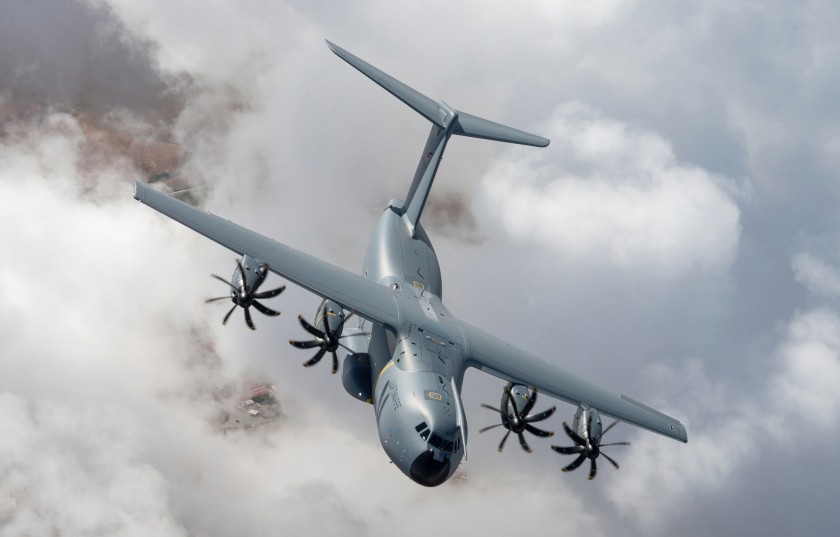
At the same time, the proposal reduces or halts funding for several major programs. These include the Sentinel intercontinental ballistic missile, a next-generation aerial refueling tanker and the E-7 airborne early warning aircraft, a move that could trigger tensions with Congress where the program has political support.

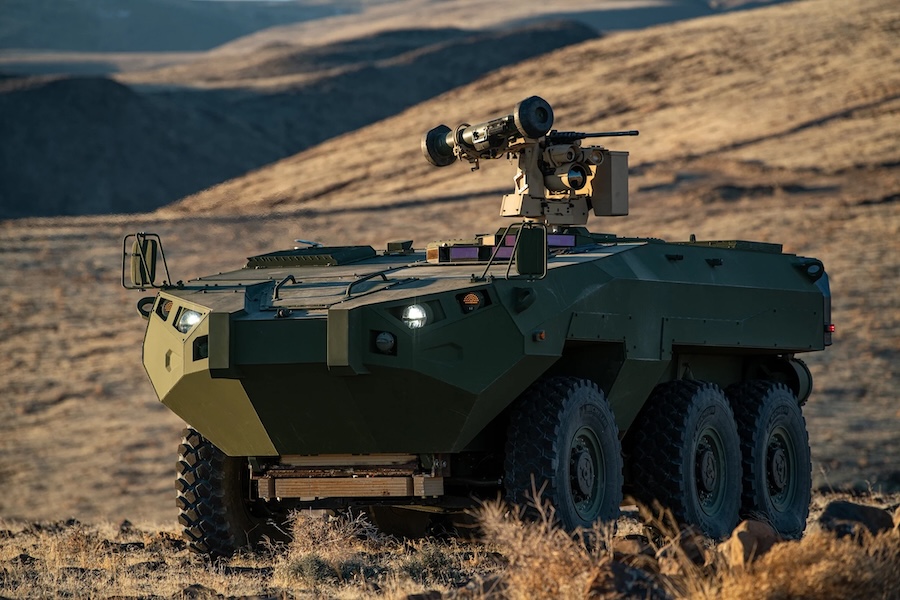
The budget outlines a shift in Army procurement strategy away from certain legacy systems. Funding for AH-64 Apache helicopters would drop sharply from $361.7 million to $1.5 million, while UH-60/MH-60 Black Hawk procurement would fall from $913 million to $39.3 million.
Spending on CH-47 Chinook transport helicopters would also decline significantly, from nearly $629 million to $210 million. The reductions reflect the Army’s existing inventory levels and plans to introduce a next-generation tiltrotor aircraft, the MV-75A, with production expected to begin in 2028.
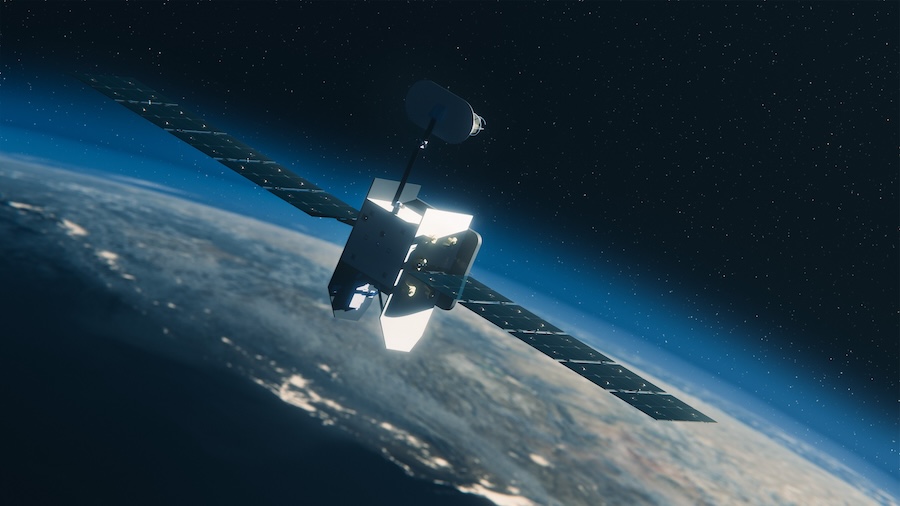
The U.S. Space Force is set to receive one of the largest increases in funding under the proposal. Its budget would rise to $71.2 billion from $40 billion, a 77 percent increase driven largely by more than $40 billion allocated to research, development, testing and evaluation, alongside $19 billion for procurement.
The plan highlights the growing importance of space as a critical military domain. Increased investment is intended to support advanced capabilities and maintain technological advantage in future conflicts.
The proposal also emphasizes rebuilding munitions stockpiles following recent combat operations, including those against Iran and lessons drawn from the war in Ukraine. A statement from the White House Office of Management and Budget said a key priority for 2027 is “rapid acquisition of 12 critical types of munitions.”
Planned procurement includes 785 Tomahawk cruise missiles for the Navy, compared with just over 50 approved in the current budget. The increase reflects efforts to replenish inventories after extensive operational use, with U.S. forces reportedly using around 850 Tomahawks in strikes against Iran.
Additional procurement includes 821 AGM-158 JASSM air-launched cruise missiles, up from 381 in 2026. The Navy is also expected to acquire 540 SM-6 interceptors at a cost of $4.33 billion, alongside major increases in other missile defense systems.
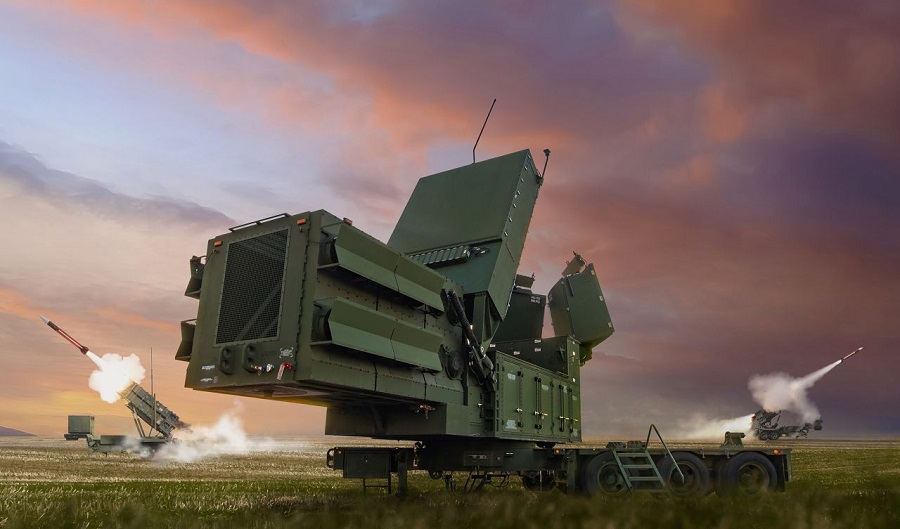
Orders for THAAD interceptors would rise from 31 to 857, while SM-3 Block IIA purchases would increase from 12 to 136. Procurement of PAC-3 MSE missiles would grow from 357 to 3,163, reflecting the demand for air and missile defense systems.
The Air Force and Navy are jointly seeking nearly $3 billion for AIM-260 air-to-air missiles with a range of at least 200 kilometers. Meanwhile, the Army plans to procure 1,134 Precision Strike Missiles for HIMARS launchers, which have recently been used in combat operations.
In addition to equipment procurement, the proposal includes measures to expand the size of the U.S. armed forces. Active-duty personnel would increase to 1,342,900 from 1,321,916 in 2026, alongside pay raises ranging from 5 to 7 percent, with larger increases for lower-ranking service members.
Total personnel-related spending is projected at $192 billion. The increases are intended to support recruitment, retention and overall force readiness.
Senior lawmakers Robert Wicker and Mike Rogers expressed support for the proposal in a joint statement. They said the United States faces its most significant global challenges since World War II.
Despite backing from key Republicans, the budget’s approval remains uncertain and depends on congressional negotiations. Future funding levels may also be influenced by domestic political developments, including upcoming elections and the potential for shifts in control of Congress, which could affect support for large increases in defense spending.