Michael Coulter, CEO of Hanwha Defense USA, said the company is applying proven industrial methods to increase efficiency and output. “When we think about bringing Korean efficiency to the United States, it’s about manpower, it’s about process and it’s about technology,” he said.
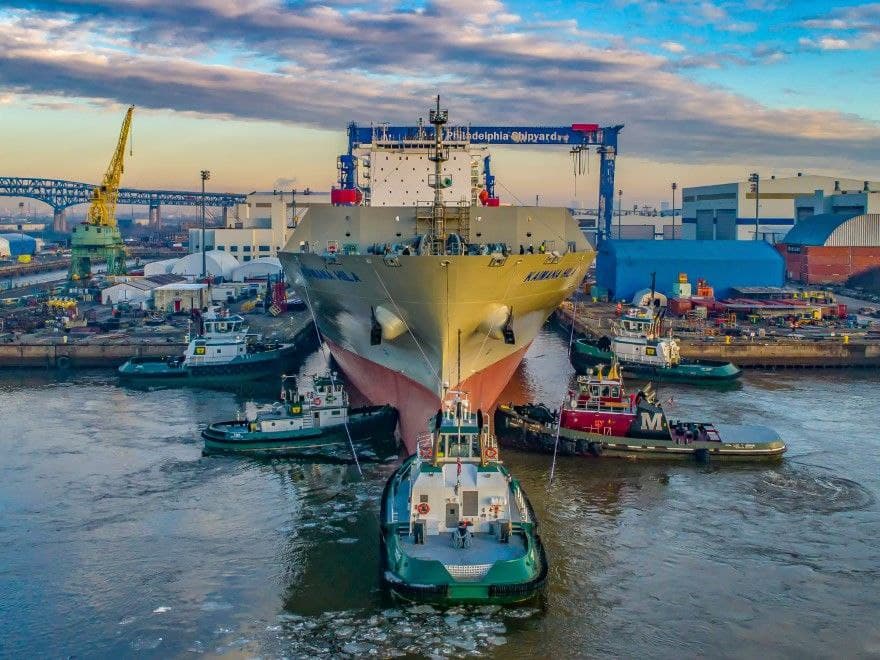
The Philadelphia yard is undergoing modernization following Hanwha’s acquisition of the facility in December 2024. The company has invested more than $200 million to expand capacity and upgrade capabilities.
Coulter said the shipyard expects to complete three vessels in 2026, compared with a previous rate of about one to one and a half ships annually. The long-term objective is to increase production to between 10 and 20 vessels per year.
Workforce development remains a central focus, supported by training from Korean specialists and the introduction of automation and robotics. These measures are intended to improve productivity and address skilled labor constraints.
“The challenge from a Hanwha perspective is less the demand signal, especially with the current budget that we see,” Coulter said. “It’s more a throughput and capacity issue, but we’re laser focused on meeting that and are very confident that we will.”
Hanwha secured its first U.S. Navy contract in March in partnership with Vard Marine US Inc to design the Next Generation Logistics Ship platform. Coulter said the company is also engaged in discussions on additional Navy programs.
“We have programs coming from the Navy, from auxiliaries to combatants, and we’re very grateful that the Navy’s listening to how we may operate differently to operate more efficiently,” he said.
The company is applying a vessel construction manager model to maintain fixed design specifications and improve delivery timelines. Coulter said this approach reflects practices used in Korea to enhance production efficiency.
“This is one of the reasons that we’re very efficient in Korea — ship designs are locked in before construction begins,” he said. “The Navy has taken note of that and now is letting contracts under this VCM.”
Hanwha is also highlighting its shipbuilding capabilities and long-term investment strategy at the Sea-Air-Space Exposition in Maryland. The company said the event demonstrates its focus on expanding U.S. industrial capacity and strengthening the maritime defense sector.
“Hanwha is highlighting its shipbuilding know-how, industrial scale, and advanced technology that is revitalizing the U.S. maritime industrial base,” Coulter said. “As one of the most efficient and prolific shipbuilders in the world, Hanwha is bringing modern technology and proven processes to increase production capacity in the U.S. and making long-term investments in American facilities and the American workforce. This includes aggressively looking at expansion possibilities and working with the Navy to identify new opportunities.”
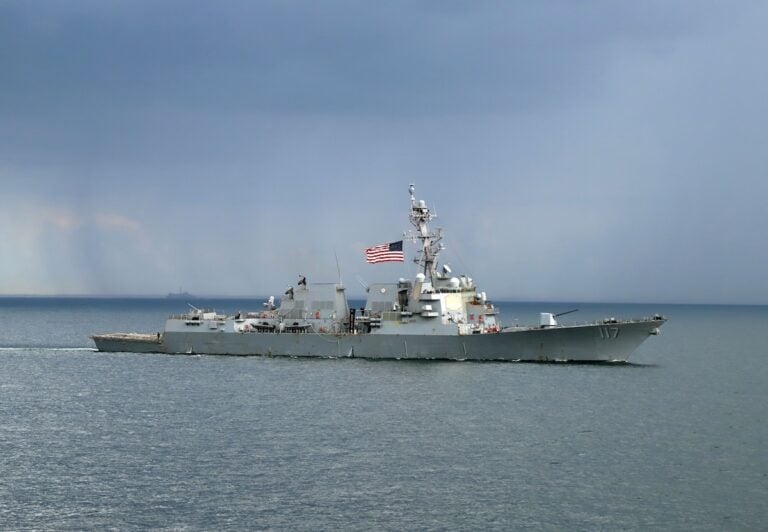
At the exhibition, Hanwha is presenting technologies including robotic welding systems and virtual reality-based workforce training solutions adopted at its U.S. shipyard. The company is also showcasing a range of naval platforms and concepts, including unmanned systems, submarines, frigates and amphibious support vessels.
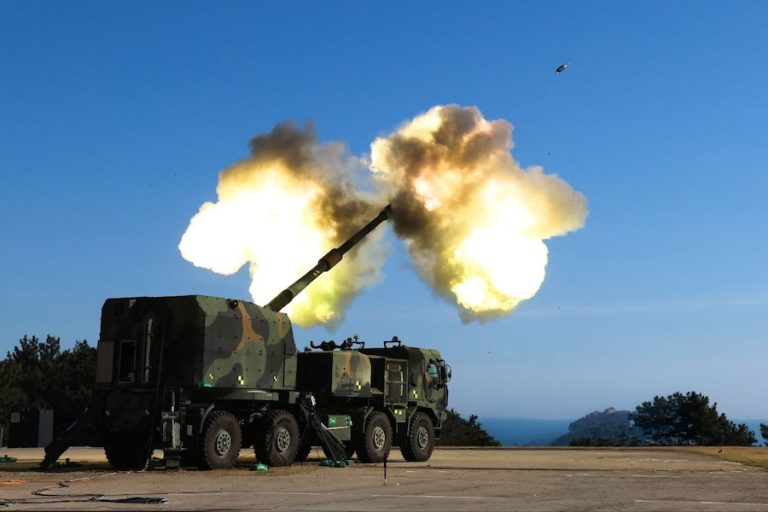
Beyond shipbuilding, Hanwha is expanding into other defense sectors to meet demand. The company plans to invest more than $1 billion in a new munitions manufacturing facility at Pine Bluff Arsenal in Arkansas, with potential to support naval requirements.