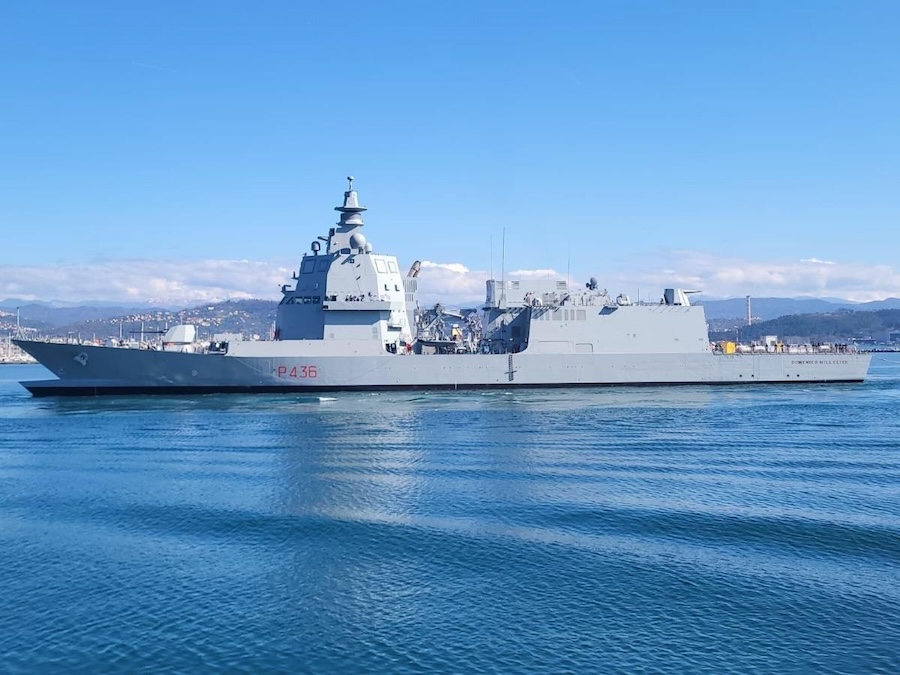


The MT30 engines will be installed on a fleet of up to 11 ships. The programme is intended to enhance the Royal Australian Navy’s undersea warfare and air defence capabilities.
The Mogami-class frigates are already powered by the MT30 in Japanese service. Australia has confirmed it will adopt the same propulsion system for its fleet.
Alex Zino, Director of Business Development and Future Programmes, UK and International at Rolls-Royce Defence, said: “For over 100 years, Rolls-Royce has been an integral partner delivering power and propulsion to Australia for air, land, and sea.” He added: “We are delighted to continue this long-standing partnership by powering their new general-purpose frigates with our MT30 engine.”
Zino also highlighted the broader collaboration between partner nations. “We are pleased to support this collaboration between two nations that are combining capabilities to enhance the security across the region,” he said.
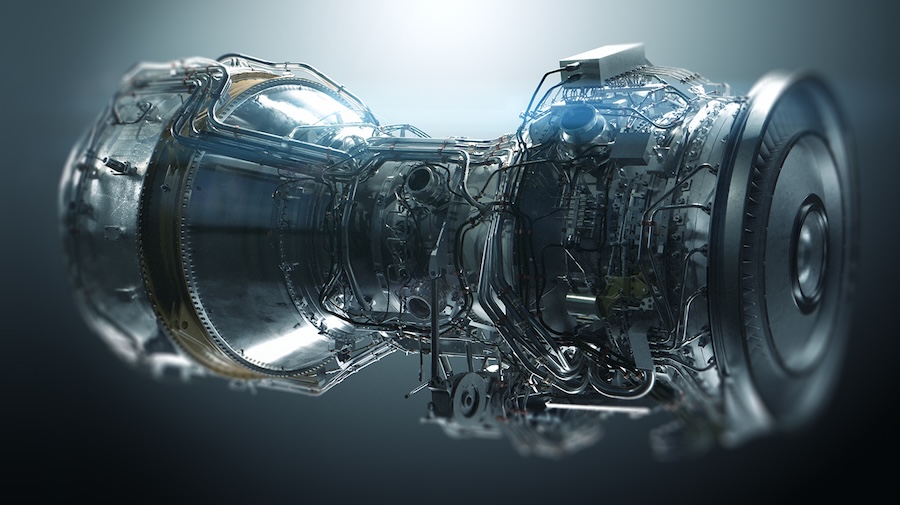
The MT30 is described as the world’s most power-dense marine gas turbine currently in service. It offers operational efficiency, reliability and sustained performance over its service life.
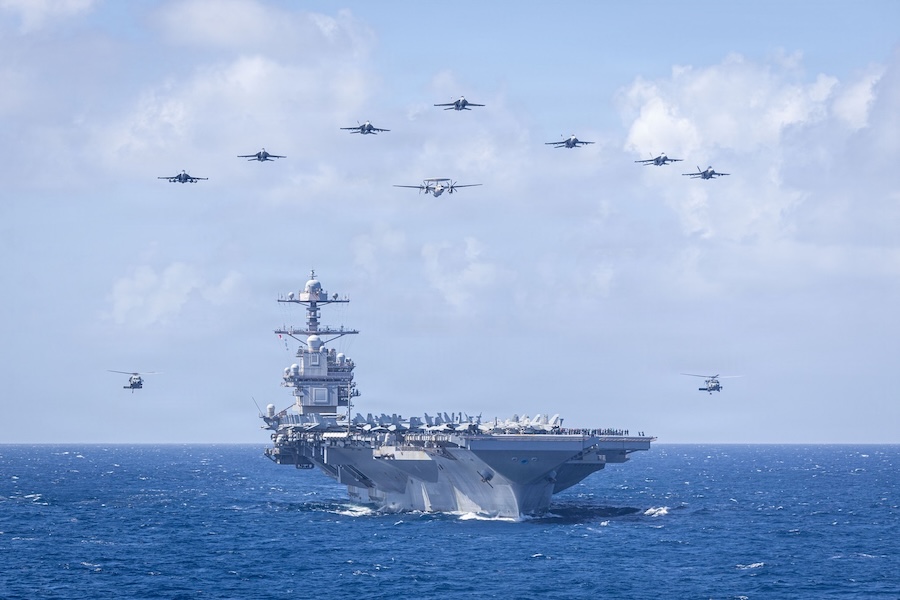
The engine is already in use with several navies worldwide. It powers platforms including the Royal Navy’s Queen Elizabeth-class aircraft carriers and Type 26 frigates, as well as U.S. Navy and allied vessels.
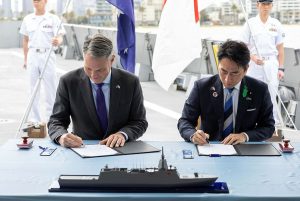
Australia’s new frigates will be built by Mitsubishi Heavy Industries in Japan. The first three vessels are scheduled for delivery from 2029, with operational service expected from 2030.
In addition to the MT30, the ships will be equipped with mtu Series 4000 diesel generator sets. These systems will provide onboard power for a range of ship functions.
Rolls-Royce said the generators will be supplied through its licensed partner Daihatsu InfinEarth. The arrangement reflects the company’s integrated role in naval propulsion and power systems.
The company said it maintains a long-standing presence in Australia across air, land and maritime sectors. Its systems are used on multiple Australian Defence Force platforms, including aircraft and naval vessels.
Rolls-Royce also contributes to the AUKUS agreement through its submarine business. The company is expected to supply reactors for Australia’s future nuclear-powered submarines.