
According to an April 8 estimate by U.S. Central Command, more than 85 percent of Iran’s defense industry facilities were destroyed. The same assessment stated that most ballistic missiles, launchers and long-range drones, along with 150 warships and nearly all naval mines, had been eliminated.
Trump also said that Iran’s air force and navy had been effectively wiped out during the campaign. However, military analysts now say that while losses were significant, key elements of Iran’s forces remain operational.
Analysts assess that around 60 percent of the fleet belonging to the Islamic Revolutionary Guard Corps Navy remains intact. This includes a large number of small vessels, such as fast attack boats, which could be easily concealed.
They also said the Revolutionary Guard retains additional weapons systems, including drone and missile launchers. These systems allow Iran to disrupt commercial shipping in the Strait of Hormuz by conducting strikes from coastal positions.
Iran’s strike aviation has been significantly weakened but not fully eliminated. U.S. intelligence estimates that about two-thirds of the country’s air force could still conduct combat operations.
A portion of Iran’s missile and drone arsenal also remains available. Around 40 percent of drones, roughly half of ballistic missiles and 60 percent of launchers are believed to still be intact.
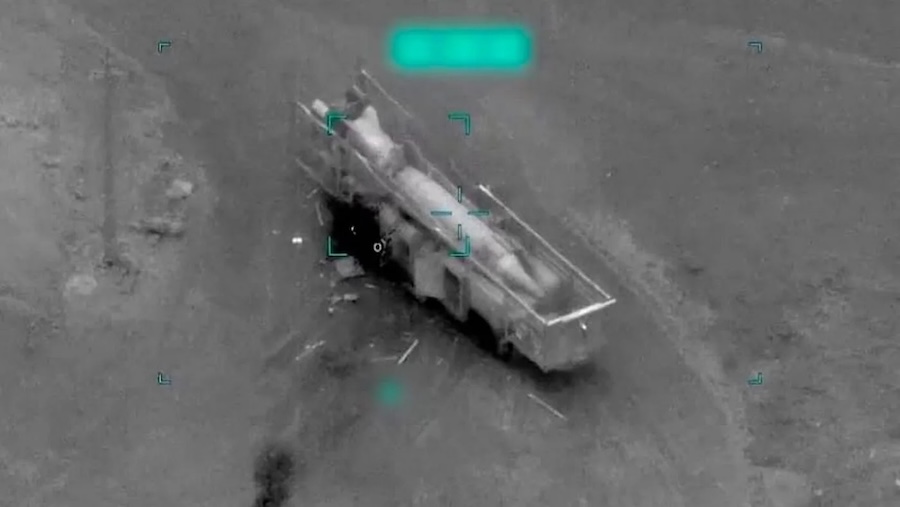
At the end of the campaign, the Israel Defense Forces reported destroying or disabling about 330 of 470 Iranian ballistic missile launchers. More than 230 were destroyed directly, while around 100 were rendered unusable after tunnel entrances were bombed.
Iran has since begun efforts to recover equipment trapped in those tunnels. Analysts assess that this could restore access to the 100 launchers and increase missile availability from about 50 percent to 70 percent of pre-war levels.
Israeli statements primarily referred to long-range ballistic systems that pose a direct threat to its territory. Iran had already used part of this arsenal in earlier conflicts in 2024 and 2025, reducing available stockpiles.
At the same time, Iran retained larger reserves of short-range ballistic systems. These were used during operations in March and April 2026 to strike targets in nearby Gulf countries.
Overall assessments indicate that while Iran has been militarily weakened, it has not been defeated. Analysts say the remaining capabilities still allow Tehran to threaten regional infrastructure and disrupt maritime traffic in the Strait of Hormuz.
Source: CBS.