The selection is part of a broader Navy effort to expand and modernize ISR capabilities. Shield AI will compete for task orders alongside other industry partners.
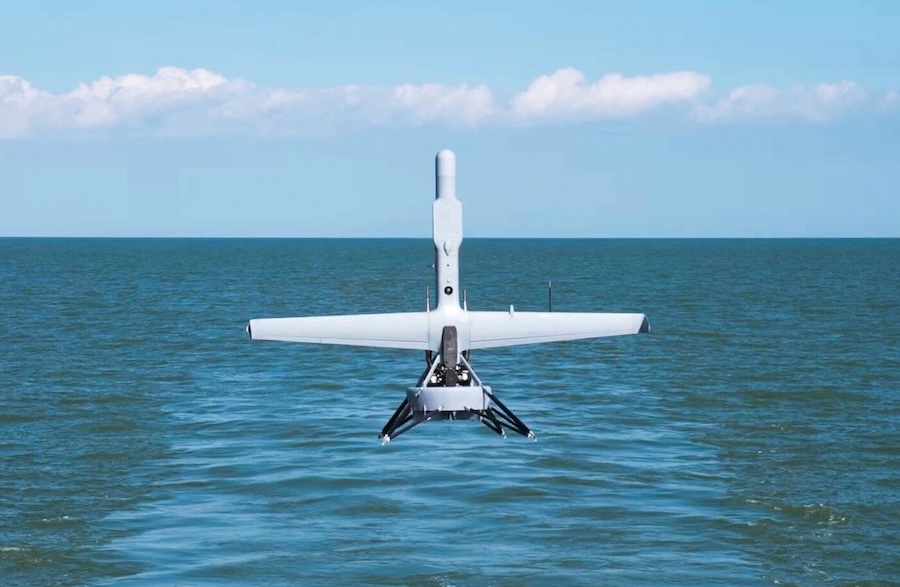
The company will deliver persistent ISR services using its V-BAT vertical take-off and landing uncrewed aircraft system. The platform is designed for both maritime and land-based operations in contested environments.
Brandon Tseng said: “V-BAT has delivered more operational outcomes than any other Group 3 VTOL UAS.” He added: “We’ve interdicted over 100,000 lbs of narcotics in the Caribbean and Pacific.”
Tseng said the system has also been deployed in high-intensity conflict environments. “V-BAT has executed hundreds of targeting operations in Ukraine, where GPS and communications are jammed during every mission, and we have delivered substantial outcomes in the Middle East and with our allies and partners,” he said.
He added that the company is offering more than just technology. “We aren’t just bringing the V-BAT product and service to the Navy; we’re bringing a world-class team with a wealth of operational experience and the ability to produce undeniable outcomes for our warfighters.”
The V-BAT is a Group 3 uncrewed aircraft system with a ducted-fan design and endurance exceeding 12 hours. It is powered by a heavy-fuel engine and can operate from both ships and austere locations.
The system is currently in use with the U.S. Coast Guard and the U.S. Marine Corps. It has also been deployed from Navy vessels, demonstrating its ability to support maritime operations.
Designed for contested electronic warfare environments, the platform can operate in conditions where GPS and communications are disrupted. Its single-engine, enclosed-rotor configuration enables safe, unassisted launch and recovery.
Shield AI said the system provides persistent ISR capability with a small logistical footprint. The platform is intended to support expeditionary operations with minimal infrastructure requirements.