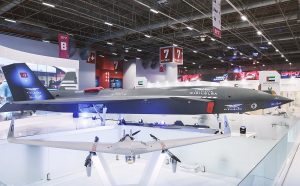


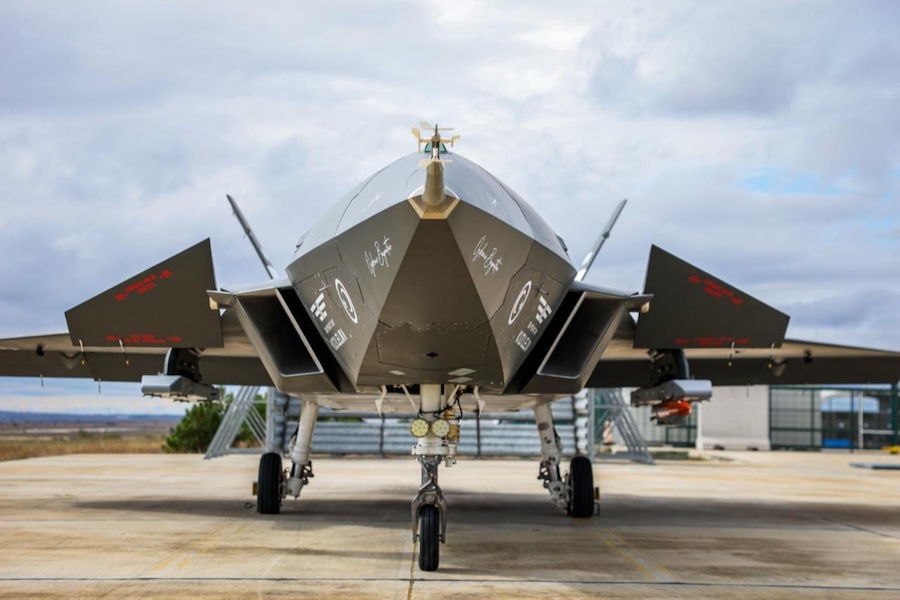
The PT3 and PT5 prototypes carried out the test at the Akinci Flight Training and Test Center in Corlu using intelligent fleet algorithms and autonomous combat pilot systems developed by Baykar engineers. The aircraft took off sequentially and coordinated their positions in flight through autonomous control to maintain precise formation.
During the same sortie, the aircraft conducted a Combat Air Patrol mission by flying a predetermined route using fleet autonomy software. Baykar’s development team monitored the autonomous systems and coordinated operational processes throughout the flight.

The formation flight represents the latest capability added to the Kizilelma programme, which remains under continuous development. On 29 November, the aircraft entered aviation history by becoming the first unmanned combat aircraft to destroy a jet-powered aerial target with a beyond-visual-range air-to-air missile off the coast of Sinop.
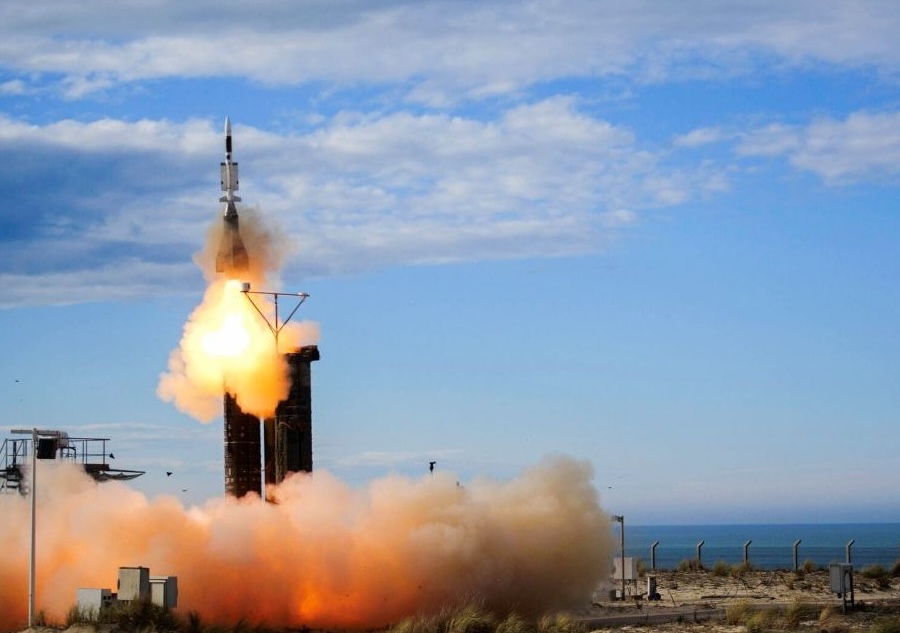
In that test, the target was designated by ASELSAN’s MURAD AESA radar and engaged using the GOKDOGAN missile developed by TUBITAK SAGE. Baykar stated that the Kizilelma was developed entirely with its own resources and that the intelligent fleet autonomy infrastructure will continue to evolve.
Baykar Chairman Selcuk Bayraktar described the achievement as a world first. Baykar General Manager Haluk Bayraktar said, “For the first time in world aviation history, two unmanned combat aircraft performed close formation flight autonomously. Not copying but inventing, not imitating but being followed.”