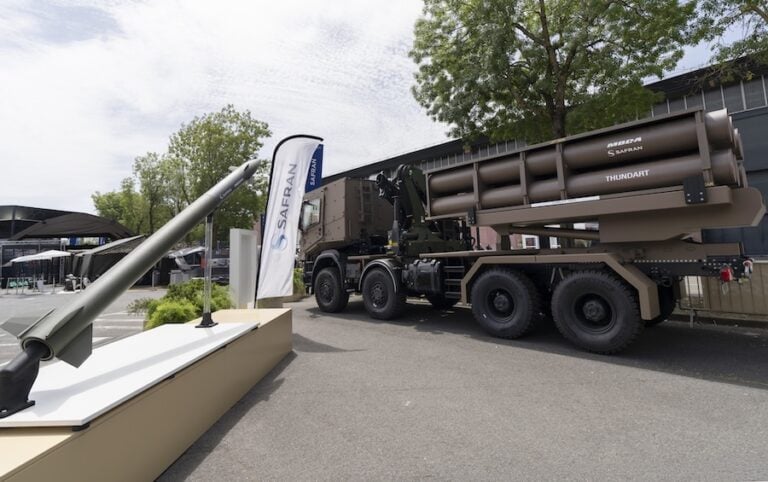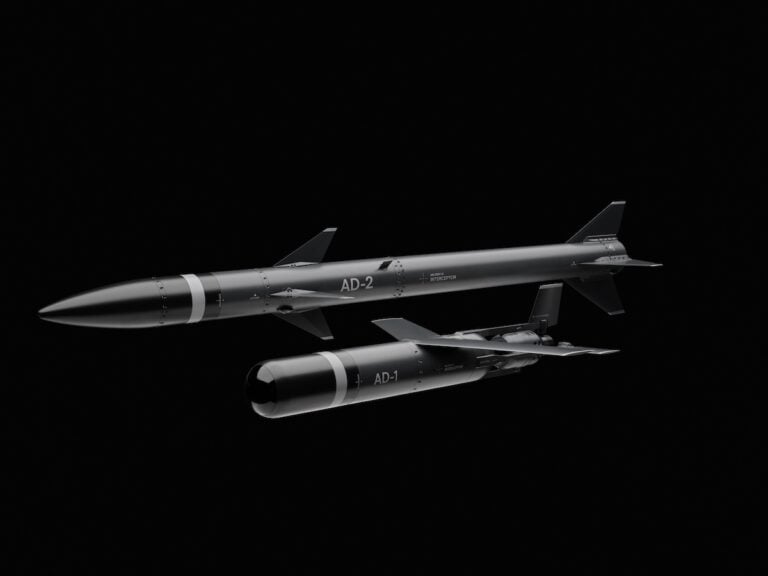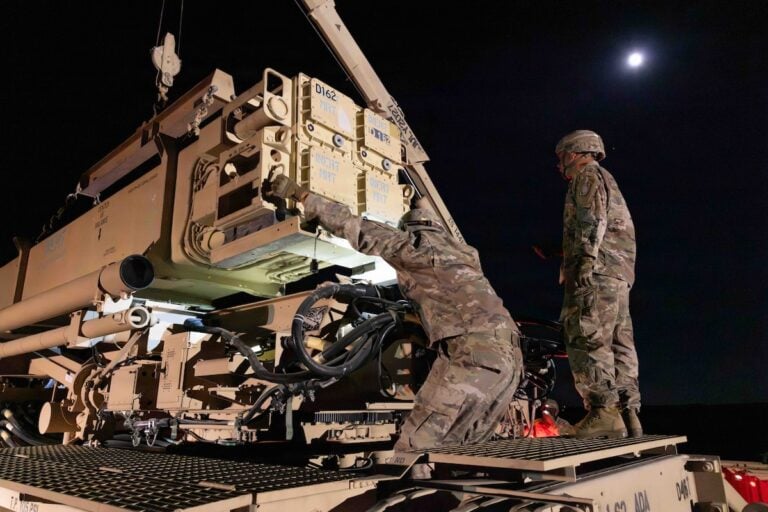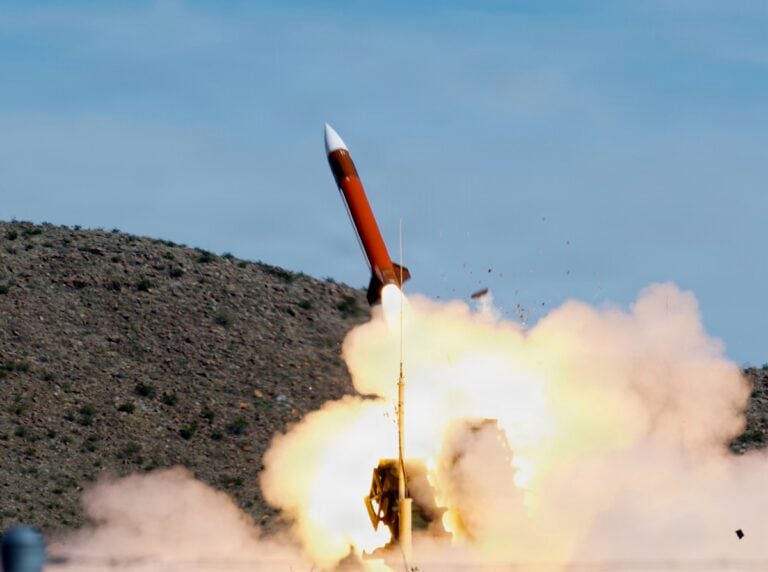
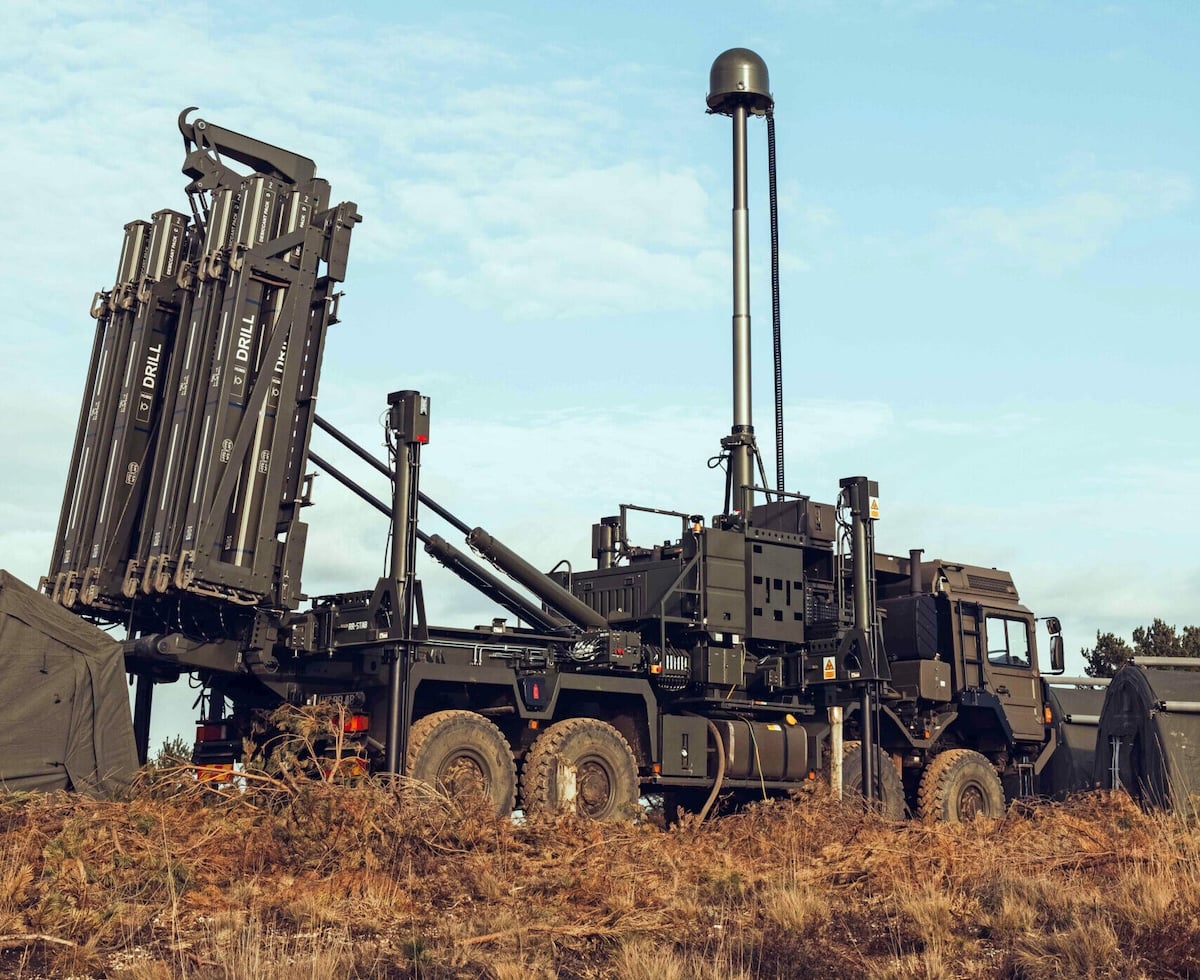
The Defence Investment Plan provides a clear target for expanding the Army’s ground-based air defence capability but leaves the structure of the procurement open. It does not disclose the current or future number of systems, identify potential contractors or provide a delivery timetable.
The Sky Sabre investment sits within a broader shift towards layered air and missile defence across the armed forces. Britain plans to combine ground-based missiles with new sensors, combat aircraft, naval systems, counter-drone weapons and a more integrated command network.
The government has allocated £790 million over the next four financial years to improve protection of the UK and its overseas bases from aircraft, drones and missiles. The programme includes new radars and sensors, directed-energy weapons, Sea Viper upgrades and a new Integrated Air, Space and Missile Defence Operations Centre.
A separate £400 million investment will replace outdated command-and-control equipment and sensors. The new operations centre is intended to connect information and defensive capabilities across the armed forces, improving how threats are detected, assessed and assigned to available weapons.
The Royal Air Force will lead Britain’s integrated air and missile defence effort. UK Air Battle Management will operate within NATO’s command-and-control network and use NEXUS, a cloud-based decision-making system employing artificial intelligence.
Typhoon and F-35 combat aircraft will provide the main airborne combat element of the system. Voyager refuelling aircraft and the planned Wedgetail airborne early-warning fleet will support surveillance, command and extended air operations.
Britain will spend more than £750 million on short-range counter-drone protection for forces at home and overseas. The investment covers Project PRESAGIUM, Rapid Sentry and Skyhammer, creating a separate layer against smaller and lower-cost aerial threats.
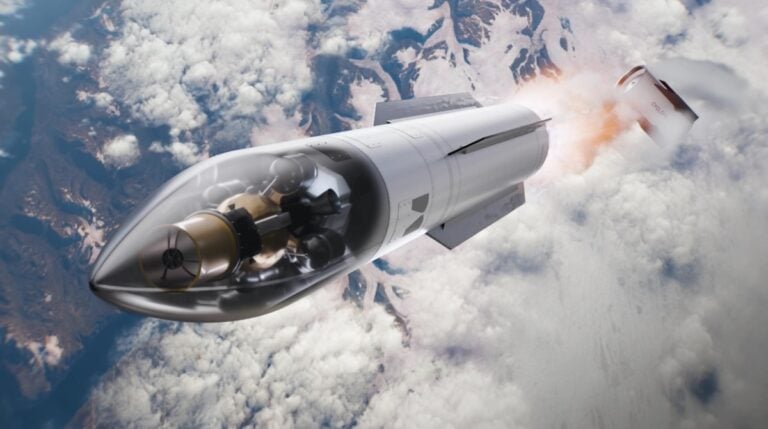
The Royal Navy will contribute through upgrades to the Type 45 destroyers and their Sea Viper air defence system. The ships are due to receive an initial ballistic-missile defence capability by 2028, while DragonFire laser weapons are planned for integration from 2027.
The individual allocations cover related but distinct programmes rather than a single procurement package. Together, they are intended to link early warning, command systems and different types of weapons into a defence architecture spanning land, air and maritime forces.
Sky Sabre represents the most clearly defined expansion of Britain’s ground-based missile defences in the plan. Its eventual scale and deployment pattern remain undisclosed, but doubling the Army-operated systems will give the service a larger role in the country’s developing air and missile defence network.