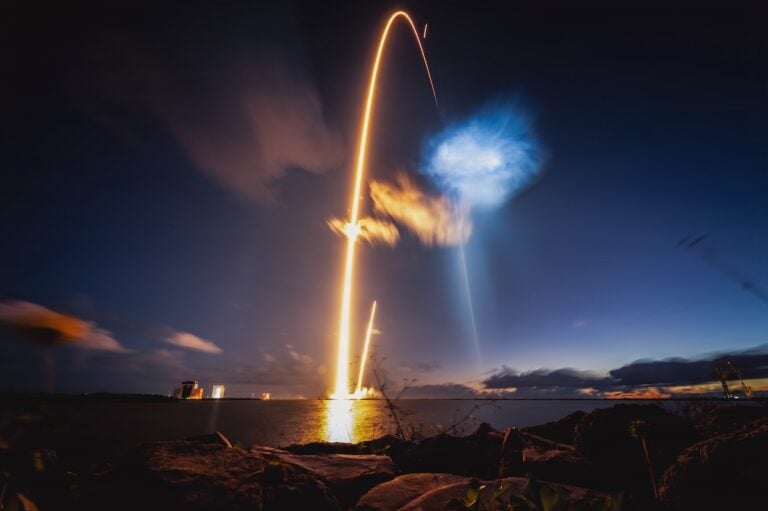
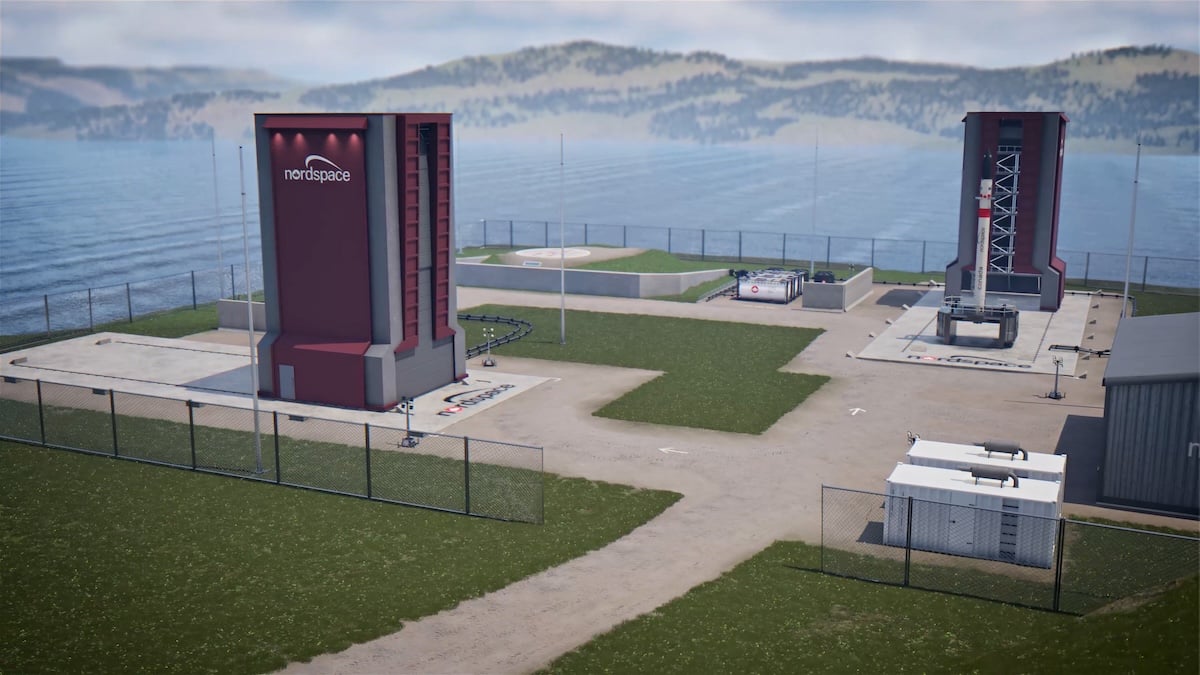
The C$20 million NordSpace agreement covers launches and research at the Atlantic Spaceport Complex in Newfoundland and Labrador. It complements a separate 10-year agreement with Maritime Launch Services announced in March 2026.
The government said independent launch access would help Canada maintain critical satellite services during geopolitical tensions or disruptions to foreign launch markets. Budget 2025 allocated C$182.6 million over three years to establish a sovereign launch programme.
“A sovereign spacefaring Canada needs the ability to launch a payload into orbit on its own schedule, from its own soil, on its own rocket when national security demands it,” said Rahul Goel, founder and CEO of NordSpace. “That capability is only possible if a Canadian company vertically integrates the full stack from launch vehicle to launch pad, as we are at NordSpace.”
Laser links for Arctic communications
Kepler’s C$4.7 million, two-year contract will fund the development and testing of laser links that let satellites exchange data directly. The aim is to make space-based communications faster and more resilient, particularly in the Arctic and other remote regions.
The project will also support Arctic surveillance and threat-detection objectives under the Northern Wide-Area Tracking and Continuous Horizon programme. It forms part of the C$17.9 million Gateway to the Stars challenge within Canada’s Innovation for Defence Excellence and Security programme.
“Canada’s North is strategically vital, yet remains underserved by traditional connectivity infrastructure,” said Mina Mitry, Kepler’s CEO and co-founder. “Kepler’s optical data relay network is designed to move mission data quickly and reliably, providing the Canadian Armed Forces with more persistent access to timely intelligence and shortening decision timelines.”
Canada joins NATO launch initiative
Canada has become a full member of NATO’s STARLIFT initiative. The project aims to create a more resilient, responsive and cost-effective launch network, allowing allies to send assets into space at short notice.
The Canadian Armed Forces is also establishing a Space Mission Operator occupation. The new career path is intended to help the Royal Canadian Air Force attract, train and retain specialist personnel.
A further C$1.2 million over two years will support workforce development through Launch Canada and a space rocketry initiative. The funding covers student projects, competitions, hands-on training and early-stage research.
The latest announcements bring the value of space-related contracts, grants and contributions announced this year to more than C$3 billion, according to the government. It expects recent space investments to support approximately 3,000 jobs annually.
Source: Government of Canada (press release).