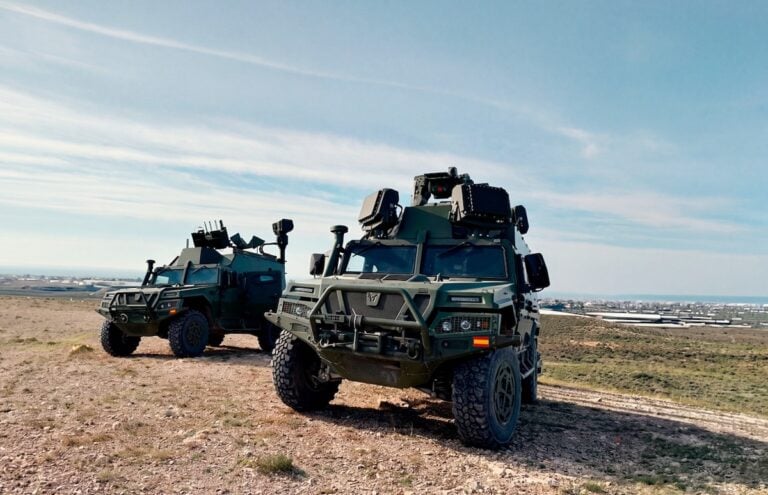
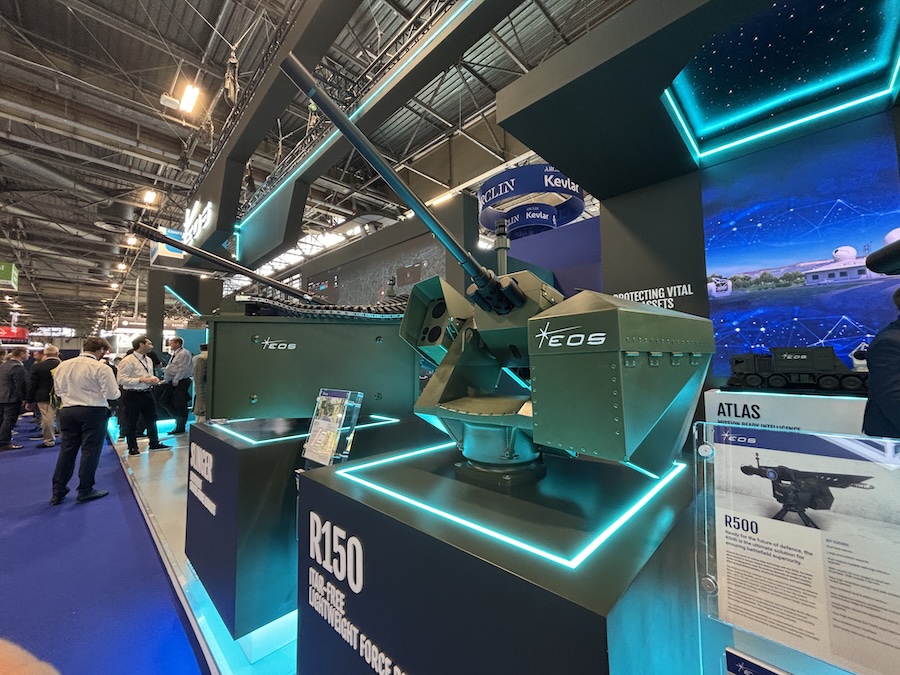
The order includes the remote weapon systems, cannon, spares, training and other supplies. EOS said it understands the systems are intended to strengthen defence systems in light of ongoing regional tensions in the Middle East.
EOS described Slinger as its market-leading cannon-based counter-drone defence system. The systems are expected to be manufactured in Australia and the UAE and delivered during 2027 and 2028.
The order is subject to Gen5’s customary terms and export approval requirements. It follows EOS’ 20 May 2026 announcement that Gen5 had committed to subscribe for A$30 million of fully paid ordinary shares in EOS as part of a strategic placement.
That share subscription remains conditional on shareholder approval under ASX listing rule 7.1. EOS said the approval was being sought at its Extraordinary General Meeting on Friday, 26 June 2026.
EOS also said it had entered into a binding, conditional joint-venture shareholders agreement with Gen5. The agreement is intended to establish an incorporated joint venture for high energy laser weapons and remote weapon systems.
The proposed joint venture would cover development, manufacturing and global distribution of a next-generation 200-300kW high energy laser weapon. It would also cover manufacturing and distribution of EOS’ existing 100-150kW high energy laser weapon in the UAE and certain Middle East and North Africa markets.
The scope includes work linked to the UAE-Korean Offset Program arising between the UAE and the Republic of Korea. It also covers manufacturing and distribution of certain existing EOS remote weapon systems, including the R400, R500 and R800, in the UAE and certain other MENA countries.
EOS said the joint venture is a strategic growth initiative designed to capitalise on EOS technology and establish advanced manufacturing capability in the UAE. The company said the structure could accelerate development, production and sales of next-generation high energy laser weapon technology.
The joint venture is expected to be based in Abu Dhabi. EOS said it is anticipated to have 50/50 equity contribution and profit sharing between Gen5 and EOS, subject to UAE laws and government approvals.
Under the agreement, Gen5 is obligated to contribute US$40 million of equity to the joint venture. EOS is obligated to contribute existing intellectual property for laser and remote weapon system technology to support the joint venture’s activities and its equity position.
The agreement is conditional on final EOS and Gen5 board approvals and the finalisation and entry into agreements granting intellectual property rights to the joint venture. The parties must also obtain necessary import and export approvals in applicable jurisdictions.
EOS and Gen5 will use reasonable endeavours to secure, within 12 months, a minimum US$250 million order for development of a 200-300kW high energy laser weapon product family. They will also seek, within nine months, a contract for several 100kW high energy laser weapons with a minimum aggregate value of US$290 million.
The agreement also includes work to progress a solution with Tawazun on potential offset credit benefits for EOS. EOS said this could extinguish in full or in part a previous obligation to contribute to economic development in the UAE.
The joint venture will not be required to pay ongoing royalties for the use of intellectual property contributed by EOS. It will also own intellectual property created under any contract awarded to it for development of a 200-300kW high energy laser weapon product family, with possible licensing back to the partners in certain circumstances.
EOS and Gen5 may choose to extend the scope of the joint venture in the future. Potential additions could include elements of command and control systems or space control capabilities.
EOS expects work on joint venture formation, condition satisfaction and other activities to continue during 2026 and into the future. The company said there is no guarantee that the key steps to establish the joint venture will be completed or that any future orders will be received by the joint venture.
EOS said the proposed joint venture could start contributing to its results from 2027 or 2028 if the conditions and requirements of the agreement are fulfilled. The company also said there is no guarantee that potential increases in the order book will be secured.