
The increase follows a 38% rise between 2024 and 2025. The European Commission said the latest round attracted the highest level of interest since the fund launched in 2021.
Half the budget targets major defence capabilities
Half of the available funding is earmarked for collaborative research and development on major defence capabilities. Many topics seek to advance results from earlier EDF projects into prototypes ready for production and acquisition.
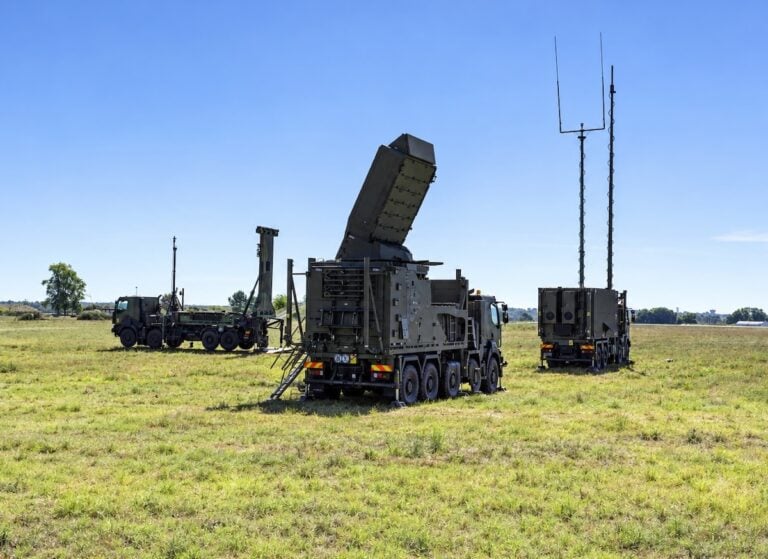
The calls include a European endo-atmospheric missile defence interceptor, a next-generation main battle tank, a multiple rocket launcher and a semi-autonomous naval vessel. Other priorities include quantum-secured networks, electronic warfare, a multi-domain operations cloud and high-performance energy systems.
Ukrainian applicants participate for the first time
The 2026 calls were open to Ukrainian applicants for the first time. The Commission said this anticipates the imminent entry into force of Ukraine’s association agreement with the fund.
Innovation funding attracts smaller companies
A quarter of the budget supports the EU Defence Innovation Scheme, including around €60 million specifically allocated to disruptive technologies. Separate non-thematic calls providing €60 million for small and medium-sized enterprises attracted particularly high numbers of proposals.
The Commission linked that interest to the programme’s continued relevance to smaller companies. It also cited a simplified application process supported by the defence Mini-Omnibus measures.
Proposals face eligibility, technical and ethics reviews
Commission services will first assess submissions for admissibility and eligibility. Independent experts will then assist with evaluations of scientific excellence, award criteria and ethics screenings.
Results are expected to be announced by March 2027. The European Defence Fund has a total budget of nearly €7.3 billion for the 2021–2027 period.