“Sentinel must perform in some of the most extreme conditions imaginable, so we start with the toughest tests on Earth. Our rigorous testing campaign continues to validate Sentinel’s critical hardware as we speed towards delivery of the nation’s next-generation strategic deterrent,” Northrop Grumman said in a social media statement.
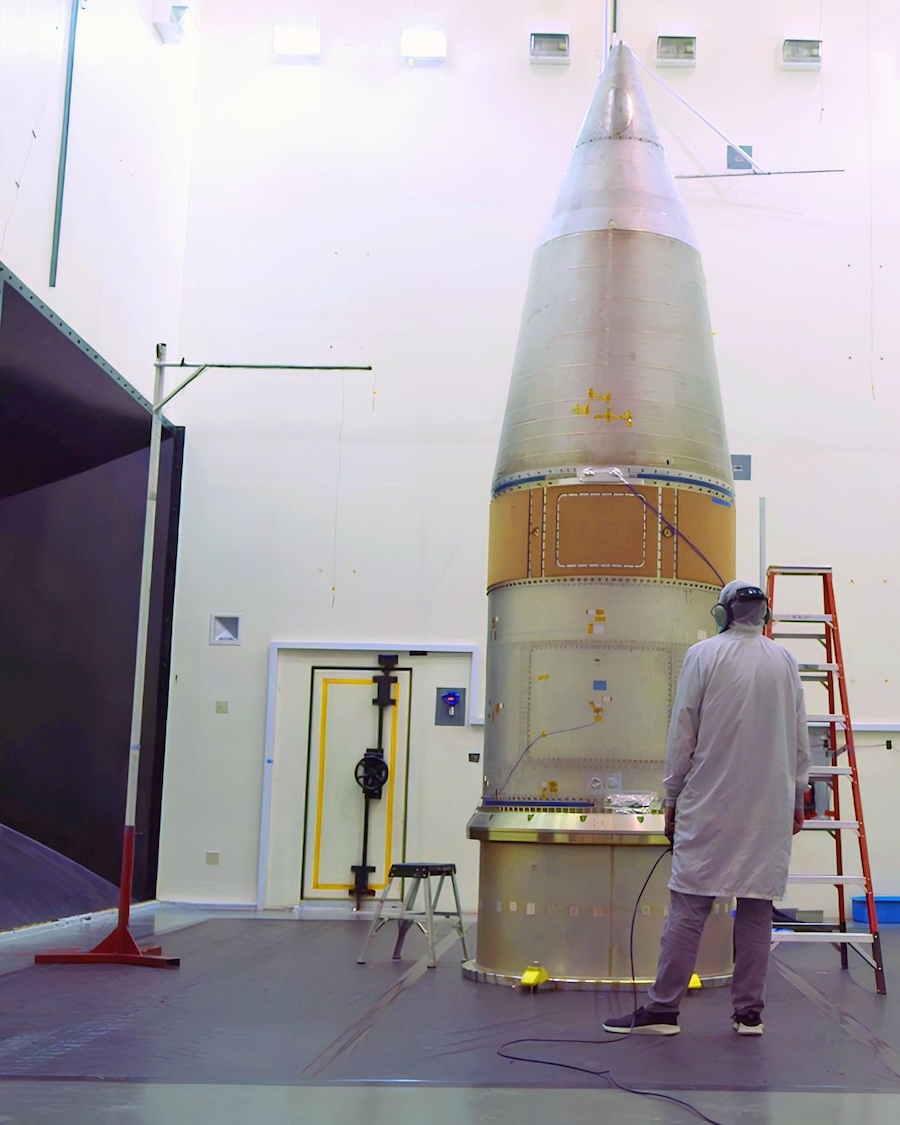
The acoustic test validated that Sentinel’s front end can withstand the extreme noise and vibration it will experience during launch. Northrop Grumman said the result builds confidence in the design well ahead of the missile’s first flight test in 2027.
Sentinel is a modernization of the ground-based leg of the U.S. nuclear triad. Once deployed, about 400 Sentinel missiles will be housed in underground launch silos across five states.
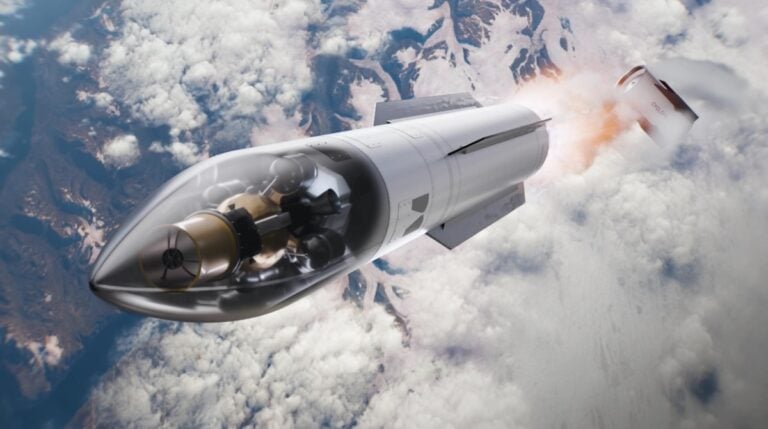
The latest test focused on Sentinel’s complex integrated front end. That section includes the payload reentry system and the post-boost attitude control module carrying the guidance and navigation system, which Northrop Grumman described as the “brains” of the missile.
During a silo launch, a missile’s nozzle produces intense sound waves that resonate up the silo. Northrop Grumman said those forces create severe vibrations that challenge the missile’s structure.
To replicate those conditions, Northrop Grumman worked with Lawrence Livermore National Laboratory to create a “test like you fly” environment. Engineers suspended the missile’s front end off the ground and surrounded it with an array of microphones to fine tune the acoustic settings.
Northrop Grumman said the test reduced risk and demonstrated the strength of its integrated test approach. The company said the result provided a critical confidence boost in the design before the first planned flight test.
The Large Acoustic Test Facility delivers high-decibel conditions designed to push mission-critical systems to their limits. Northrop Grumman said the chamber has tested major programmes including the James Webb Space Telescope, national security and commercial satellites, and now the Sentinel ICBM.
The company said it has invested more than $1 million in recent years to move the facility from analogue to digital control systems. Northrop Grumman said the upgrade increases throughput, improves data fidelity and supports faster development of advanced defence and space technologies.
Sentinel is intended to replace the Minuteman III ICBM system, which has been in service for more than 50 years. Northrop Grumman said the U.S. fielded the Minuteman III land-based leg of the nuclear triad in the 1960s and that the system has lasted far beyond its original intended lifetime.
The Sentinel weapon system is being developed by a Northrop Grumman-led industry team of more than 500 suppliers. The system is designed to stay on alert to 2075 and to be modern, powerful and adaptable to evolving threats.
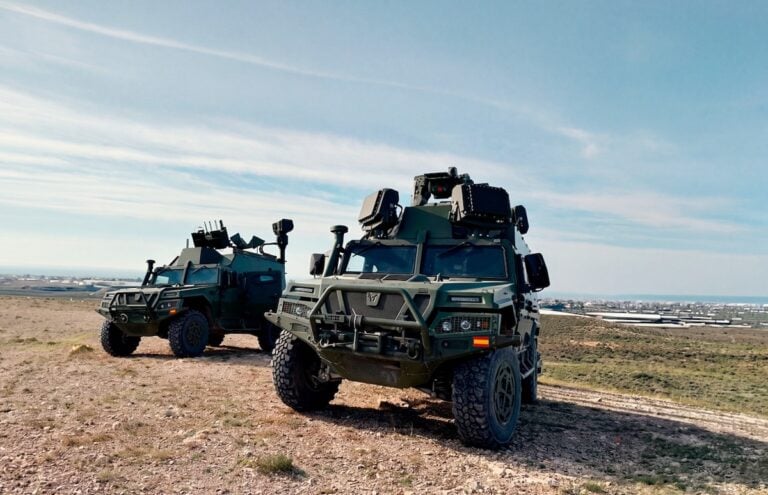
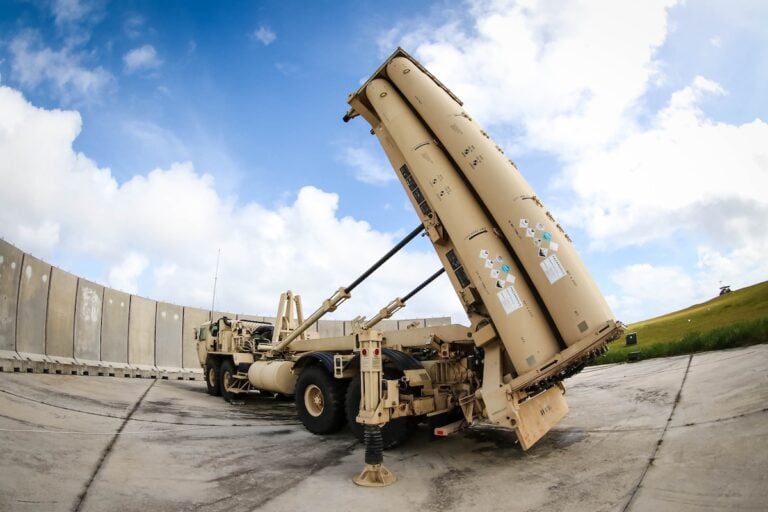
Northrop Grumman describes Sentinel as a system of systems that overhauls every aspect of the Minuteman III architecture. This includes missiles and launch silos, transport vehicles, computer networks and physical infrastructure.
The LGM-35A missile is intended to bring improved performance in accuracy, range and flexibility. The broader Sentinel infrastructure is designed to improve resiliency, maintainability and modularity over the system’s life cycle.
Northrop Grumman said Sentinel is the nation’s first ICBM system designed in a digital ecosystem. The company said digital design, prototyping, assembly and testing are helping prove design maturity and move the programme toward production and initial capability by the early 2030s.
Programme progress cited by Northrop Grumman includes static fire tests of all three missile stages, a shroud fly-off test, a Launch Support System critical design review and the first assembled booster. The company said testing proves digital modelling, reduces risk, matures designs and helps accelerate the programme toward initial capability.
“The Sentinel program is moving forward with purpose and momentum. We have the right strategy, we are proving the technology, and we will deliver on our promise to provide our Airmen with the modern, credible system they need to deliver the unwavering deterrence our nation requires,” said General Dale White, Director, Critical Major Weapons Systems, U.S. Air Force.
Northrop Grumman said every test is a critical step toward mission certainty. The company said its facilities are designed to replicate and surpass the harshest conditions on Earth so critical systems can launch with confidence.