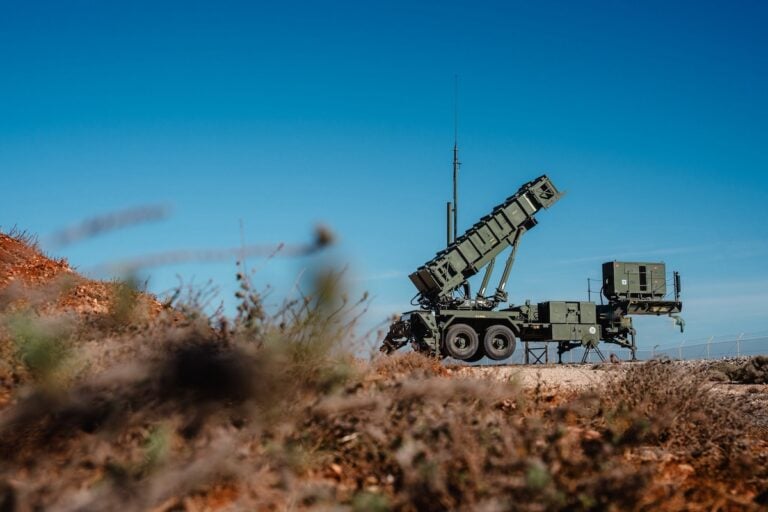
The contract, signed on 24 June, is valued at 3.049 billion Romanian lei, excluding VAT. It covers one integrated SHORAD-VSHORAD air defence system, three VSHORAD systems, one SHORAD system, a training and education system, and a simulation system for checking and evaluating VSHORAD operators.
The first two VSHORAD systems are to be delivered within three years of the signing of the first contract. Operator training is to be completed before acceptance activities begin.
Romania’s SHORAD-VSHORAD procurement programme is intended to protect national forces and key sites against aerial threats. The ministry said those threats include drones and cruise missiles.
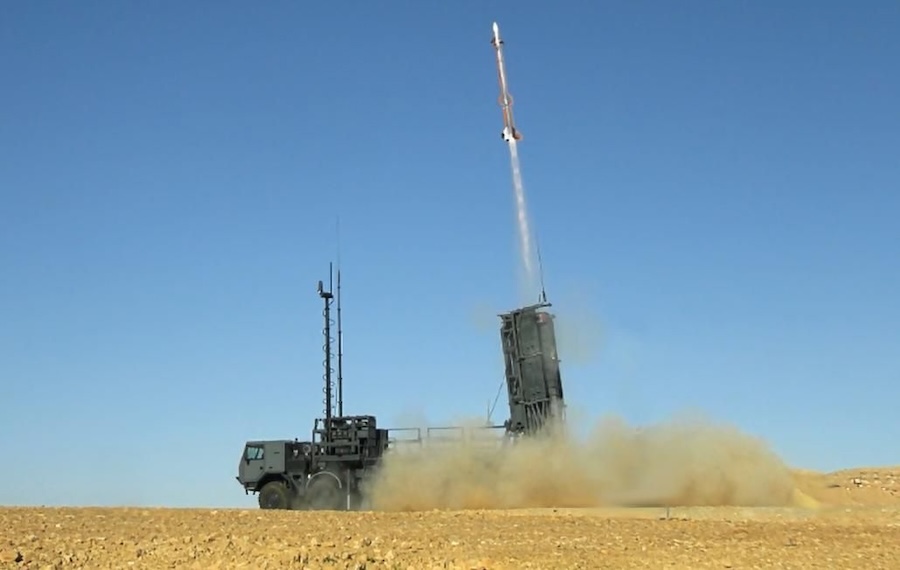
Rafael said Romania had selected its Spyder air defence system under a framework valued at more than €2 billion. The company described the agreement as the largest deal in its history and said it includes launchers, interceptors, radar systems, training capabilities, logistics support, industrial cooperation and local production in Romania.
According to Rafael, Spyder is designed to counter aircraft, helicopters, unmanned aerial vehicles and precision-guided munitions. The company said the system is powered by Python and Derby missiles.
The additional background said the Romanian configuration is expected to use Python-5 infrared-guided missiles with a range of up to 40 kilometres and I-Derby radar-guided missiles with a range of up to 80 kilometres. Rafael’s system was selected through a competitive procedure.
The framework agreement was concluded in July 2025 and is valid for seven years. It provides for three contracts covering a total of six integrated SHORAD-VSHORAD fire units, six SHORAD systems and six VSHORAD systems.
The wider acquisition also includes ammunition, training and logistics support. Its total maximum value is 10.33 billion Romanian lei, excluding VAT, or about €2.038 billion, excluding VAT.
The ministry said the systems combine mobility, effectiveness and integration into modern defensive networks. It also said the SHORAD-VSHORAD systems are compatible with NATO requirements.
Rafael framed the Romanian selection as part of a three-decade partnership and as another European choice of its air defence technology. The contract adds a new layer to Romania’s air defence modernisation effort and expands the country’s ability to respond to low-altitude and short-range aerial threats.