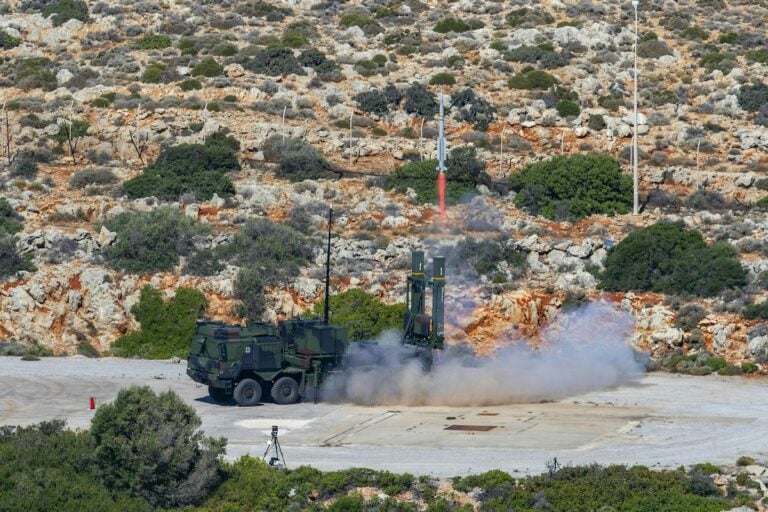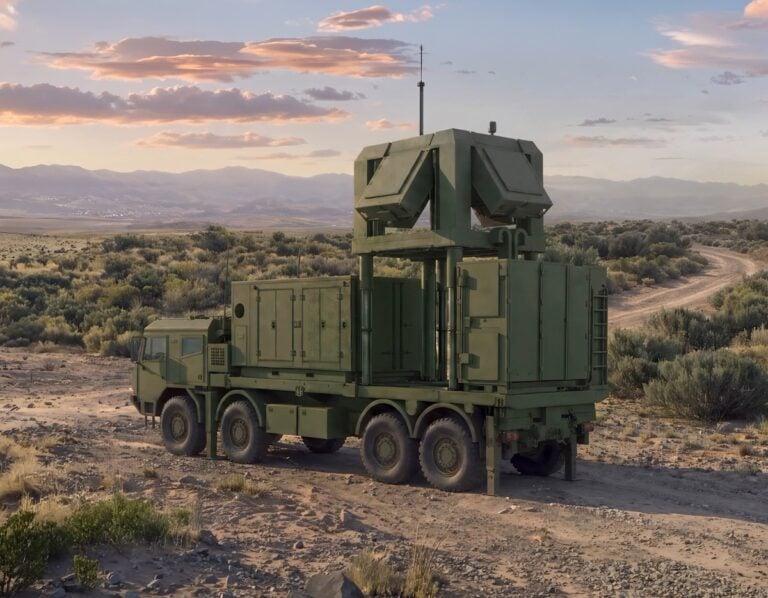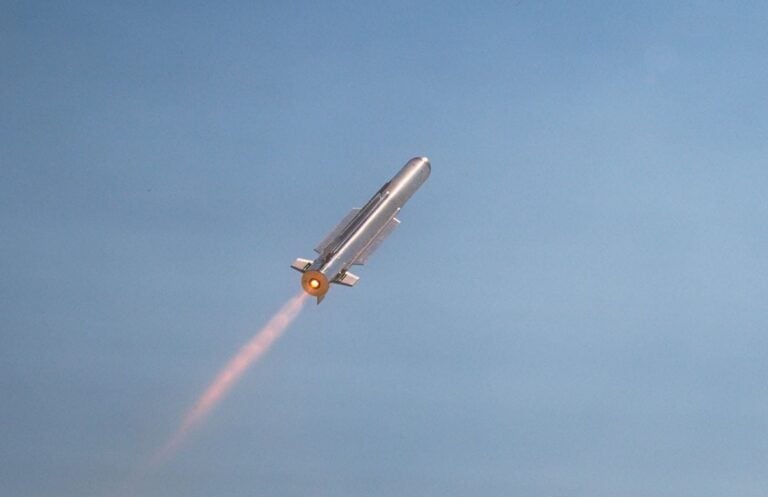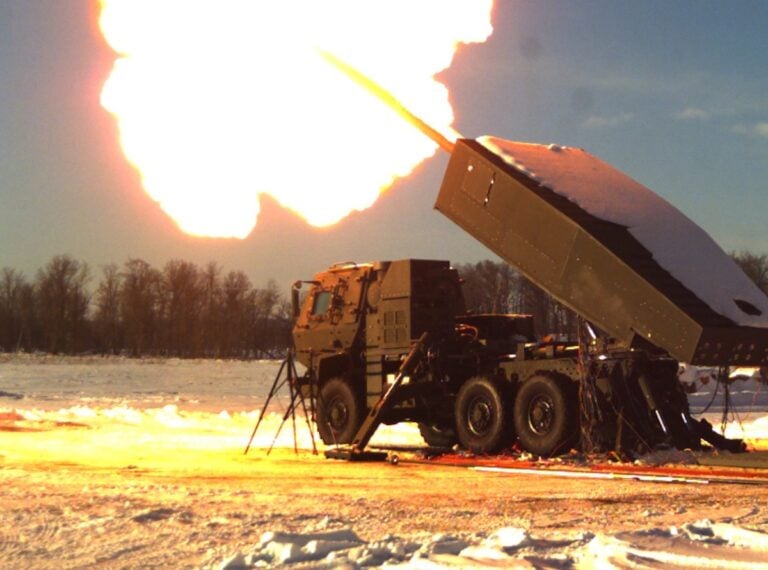

The partnership gives Palladyne AI exclusive U.S. production and marketing rights for the loitering munition systems. The systems are designed to suppress and destroy enemy air defenses and provide long-range strike capabilities across operational and tactical environments.
IAI has been active in the global loitering munition market for more than 40 years. The company said its systems have been deployed operationally by many militaries worldwide.
Under the partnership, Palladyne AI will adapt the systems to U.S. operational requirements and domestically manufacture components and subsystems. IAI will provide engineering support and key subsystems.
The partnership comes as the Department of War is increasing investments in loitering munitions. The companies said the aim is to expand military capabilities for the modern battlefield.
“The U.S. is a strategic market for IAI, and this partnership represents a significant step in expanding our long-term presence and industrial cooperation in the U.S. defense sector,” said Boaz Levy, IAI’s Chairman of the Board. “By combining IAI’s decades of operational expertise and combat-proven loitering munition technologies with Palladyne AI’s U.S.-based manufacturing capabilities, we are positioning these systems to meet evolving operational requirements and support the current and future needs of the U.S.”
Ben Wolff, President and Chief Executive Officer of Palladyne AI, said U.S. forces need loitering munition capabilities that can be fielded quickly. He said IAI’s systems had been validated in real-world combat environments for decades.
“The U.S. defense industrial base needs battle-proven loitering munitions capabilities it can field now. IAI’s systems have been validated in real-world combat environments for decades. What differentiates this partnership is that by combining IAI’s systems with Palladyne AI’s U.S. engineering and manufacturing capabilities, we can make those systems’ capabilities available to the U.S. Department of War much faster than through a clean-sheet development program. We built that stack in 2025. This partnership is the first major proof of what it can do,” Wolff said.
Guy Barlev, Executive VP and GM of the Space Missiles and Systems at IAI, said the partnership will bring IAI’s combat-proven long-range loitering munitions to the U.S. market. He said Palladyne AI was selected for its autonomy, engineering and manufacturing capabilities.
“This new strategic partnership will bring our combat-proven long-range loitering munitions to the U.S. market. We selected Palladyne AI for its combination of advanced autonomy, engineering expertise and certified U.S. manufacturing capabilities. Palladyne AI’s leadership has built and scaled large, complex businesses before. Their team moves with the kind of urgency the current threat environment demands,” Barlev said.
Admiral Eric T. Olson, retired, a Palladyne AI board member, said the company was built to meet current Department of War requirements. He said the partnership reflects the kind of opportunity Palladyne AI’s infrastructure was designed to support.
“We built Palladyne AI to be the kind of partner the Department of War actually needs right now, not a startup with an interesting product and no ability to scale, and not a legacy prime moving at legacy prime speed. We can take proven systems, adapt them for U.S. requirements, and build them in America. The IAI partnership is exactly the kind of opportunity that Palladyne’s infrastructure was designed to capture,” Olson said.
The HARPY and HAROP systems are designed for autonomous operation against enemy air defenses. IAI said they search for and engage hostile targets across the battlefield.
Equipped with advanced sensors and precision strike capabilities, the systems are intended to neutralize air defense infrastructure. Potential targets include radar sites, missile launchers and command-and-control centers.
IAI said its long-range loitering munitions have supported the establishment of air superiority and helped clear the way for multi-domain operations. The company described HARPY and HAROP as systems with proven effectiveness against enemy air defenses.
Mini HARPY draws on the heritage of HARPY and HAROP. It combines their seekers on a single platform for tactical echelons.
In addition to electro-optical and infrared sensors, Mini HARPY includes a specialized anti-radiation seeker. IAI said the system is designed to locate and neutralize adversary emitters, helping front-line forces engage enemy air defenses and counter-UAS arrays.