The framework is intended to support higher production rates for both SM-3 variants as demand for the interceptors increases. Boeing said the components it supplies help enable precise interception of missile threats outside Earth’s atmosphere.
“This gives us a clear demand signal to build and deliver SM 3 interceptors at the levels needed to counter threats,” said Bob Ciesla, vice president of Boeing Precision Engagement Systems. “The SM 3 is an essential part of the layered air and missile defense architecture that protects the U.S. and its allies worldwide.”
Boeing, the Department of War and Raytheon, the SM-3 prime contractor, plan to ramp production before a multi-year contract is finalised. The parties are negotiating that award under the new framework agreements.
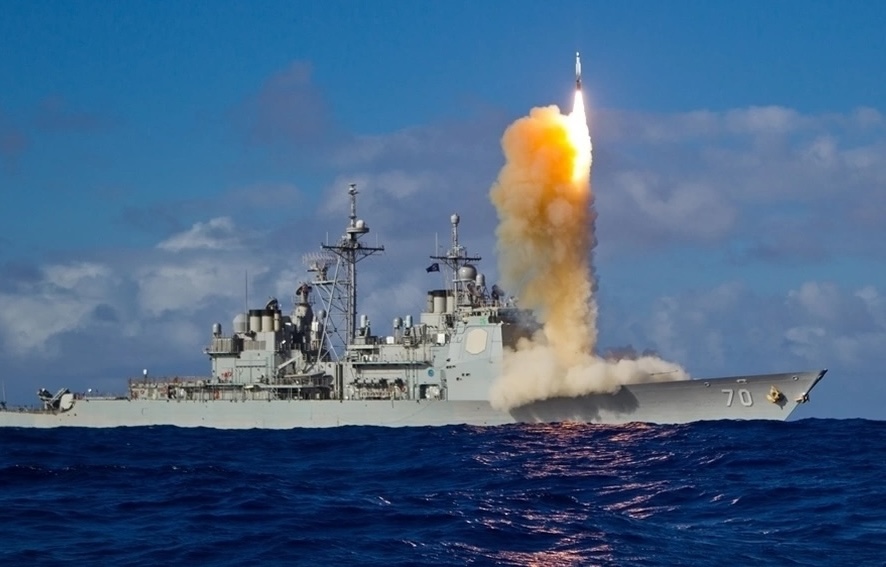
The production increase will cover avionics and ejector assemblies for both the Block IB and Block IIA configurations. The hardware forms part of the interceptor architecture used to engage threats beyond the atmosphere.
Boeing described the SM-3 as a central component of U.S. sea-based missile defense at home and abroad. The new framework gives the company a longer-term demand signal as the government and industry prepare for higher interceptor production.
The effort also supports the administration’s Arsenal of Freedom initiative and the Department of War’s Acquisition Transformation Strategy. Boeing said both are focused on accelerating production and delivery of key military capabilities.
The SM-3 framework follows a separate Boeing agreement with the Department of War and Lockheed Martin to increase production of PAC-3 Missile Segment Enhancement seekers. Both arrangements are aimed at expanding output of critical hardware used across the U.S. layered air and missile defense architecture.