
The two multinational initiatives brought together aviation and artillery personnel from 14 partner nations. Participants shared tactics, techniques and procedures to improve mission planning and combined-arms operations.
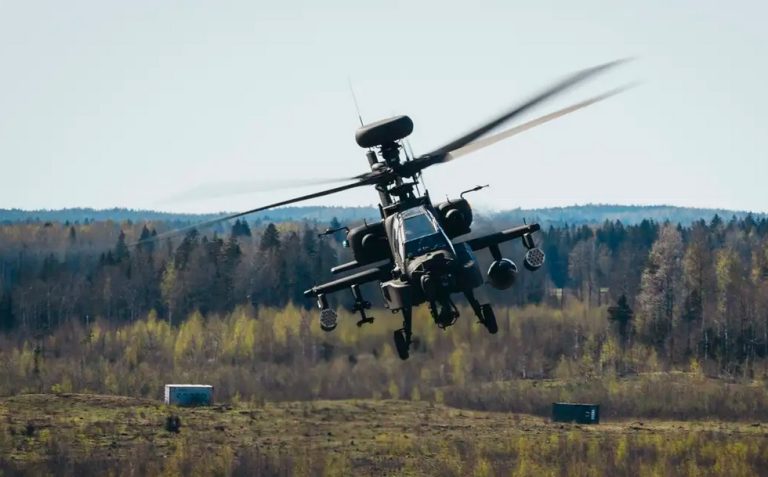
The Polish Apache Initiative supports Poland’s effort to field the AH-64E Apache attack helicopter. It also supports the integration of the aircraft into Poland’s rotary-wing force structure.
During the event, U.S., Polish and British personnel worked together on mission planning, combined-arms rehearsals and aviation operations. The activities were designed to improve communication among allied attack aviation forces.
“Our purpose is to continue building the partnership between the 12th Combat Aviation Brigade and the Polish Army Aviation community,” said U.S. Army Capt. William Northrup, commander of Bravo Company, 1st Battalion, 12th Combat Aviation Brigade. “We’re sharing TTPS and demonstrating to them on how we conduct our mission planning and Apache operations, while Poland prepares to incorporate the AH-64E into its force.”
A key part of the Polish Apache Initiative was the readiness of aviation assets during planning and rehearsal activities. U.S., Polish and British rotary-wing forces conducted a combined-arms rehearsal to synchronize operations.
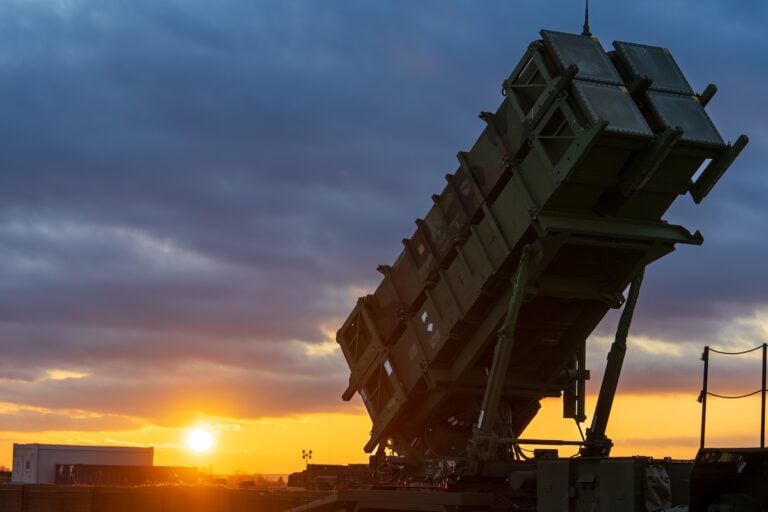
At the same time, the European HIMARS Initiative provided a forum for long-range precision artillery professionals. Participants came from NATO and Eastern Flank Deterrence Initiative partner nations.
The initiative focused on rocket artillery modernization, force development and future training opportunities. It also aimed to improve multinational integration at the tactical and operational levels.
“EHI allows us to come together as one long-range precision fires enterprise,” said Maj. Zachary Palmeri, brigade operations officer, 41st Field Artillery Brigade, V Corps. “While our nations may employ different tactics, techniques and procedures, our mission remains the same. These discussions help us improve cohesion and strengthen our ability to operate as a seamless fires community regardless of language, in support of NATO.”
The training highlighted the importance of moving beyond doctrinal differences among nations. Participants examined ways to create a more unified operational framework.
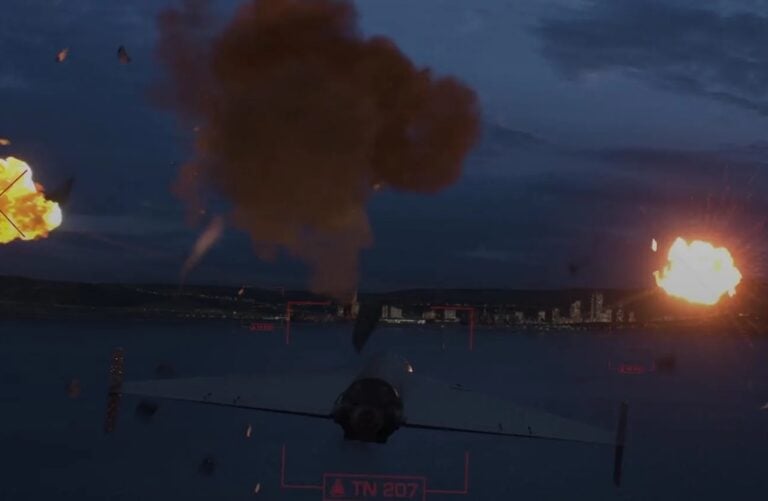
They studied how aerial reconnaissance platforms, one-way attack drones, close air support, direct-fire systems and indirect-fire assets can be synchronized. The goal was to identify, target and defeat enemy forces more effectively.
By combining aviation, intelligence, surveillance and reconnaissance, and long-range precision fires, allied forces can improve battlefield awareness. The release said these capabilities can also accelerate decision-making and increase combat effectiveness across the operational environment.
V Corps said the two initiatives show the continued commitment of the United States, Poland, the United Kingdom and other NATO allies. The events support the development of a modernized fighting force able to respond to emerging threats and maintain lethality across Europe.
As NATO countries continue to modernize capabilities and expand multinational training, events such as these strengthen relationships among allies. They also improve the alliance’s ability to operate together in complex environments.