Warden outlined the strategy during Northrop Grumman’s second-quarter 2026 earnings call on July 21. She pointed to investments in both new capabilities and manufacturing capacity, including the company’s offerings for the U.S. Golden Dome homeland missile-defense initiative.
“We also have been investing in capacity,” Warden said. She said those investments had positioned Northrop Grumman to pursue work it otherwise would not have been able to deliver.
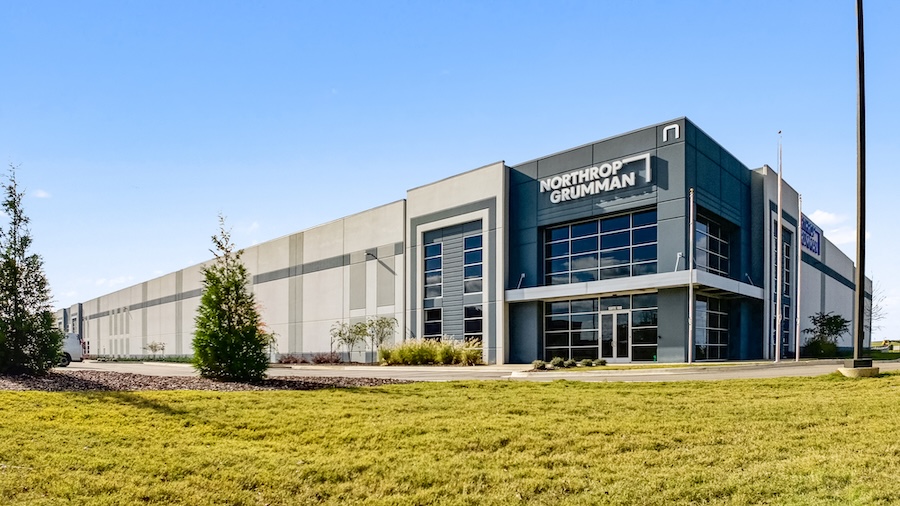
The strategy is visible in Northrop Grumman’s air and missile-defense manufacturing footprint. In April 2025, the company opened its Enhanced Production and Integration Center, or EPIC, in Madison, Alabama, to expand production capacity for the Integrated Battle Command System.
Northrop Grumman invested $20 million in the facility, which totals 175,500 square feet of covered production space. EPIC doubled the company’s previous integration space and added manufacturing, storage and classified testing capacity.

The facility was designed to support higher-rate production of IBCS, the command-and-control system at the center of the U.S. Army’s integrated air and missile-defense modernization effort. Northrop Grumman said the expanded site could support annual production of up to 96 Engagement Operations Centers, 96 Integrated Collaborative Environments and 192 Integrated Fire Control Network relays.
That investment now provides additional industrial capacity behind a growing international IBCS pipeline. Warden said demand was increasing in the Middle East, including Kuwait, the United Arab Emirates and Qatar, while Northrop Grumman was also discussing the system with other countries in the region.
Warden linked that demand to the growing importance of defending against cruise missiles and drones. She said IBCS is designed for short- and medium-range integrated air and missile defense and expects international interest to continue.
Northrop Grumman is making similar capacity investments in missile propulsion. Warden said the company had already brought additional solid rocket motor production capacity online, positioning it to qualify for new programs and move more quickly when demand materializes.
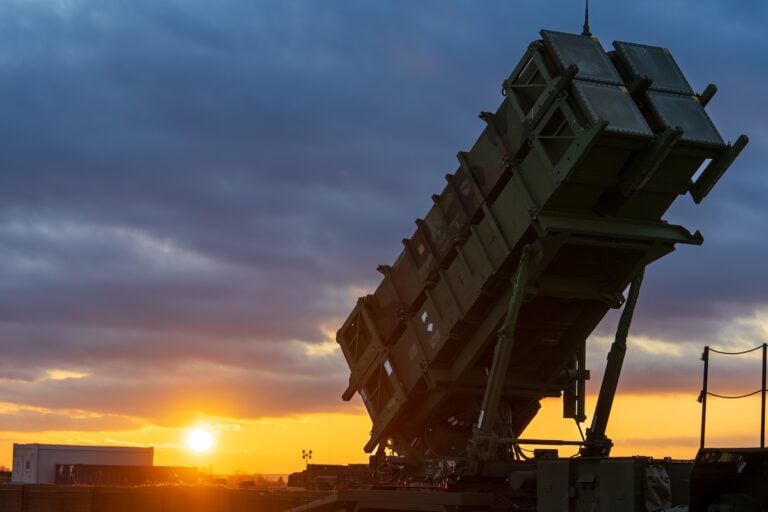
PAC-3 provides one example of that approach. Northrop Grumman completed qualification activities during the second quarter and began building solid rocket motors before a larger production contract expected later in 2026 was fully definitized.
“We have production capacity, and we are starting to build,” Warden said. She said the company moved ahead early to support increased demand for the program.
The company is also investing in missile-production infrastructure outside the United States. Warden said Northrop Grumman had been selected to establish an in-country solid rocket motor manufacturing facility in Australia, which she cited among signs of broader international demand for production-ready systems.
Missile defense is already contributing to Northrop Grumman’s growth. Chief Financial Officer John Greene said higher activity on Sentinel and missile-defense programs supported Defense Systems sales in the second quarter, while continued IBCS growth is expected to contribute to stronger revenue in the second half.
The investment pattern shows Northrop Grumman putting manufacturing capacity in place before some future production awards are finalized. The Alabama IBCS expansion, additional rocket-motor capacity and investments tied to Golden Dome give the company a larger industrial base from which to respond to U.S. and allied missile-defense requirements.