The submarine-hunting helicopter, from 814 Naval Air Squadron at Culdrose in Cornwall, stayed aboard throughout the deployment and flew missions involving Russian units in the English Channel and North Atlantic. Tideforce operated under Commander Task Force 320, which oversees maritime security and anti-submarine warfare operations, as well as day-to-day activity in UK waters.
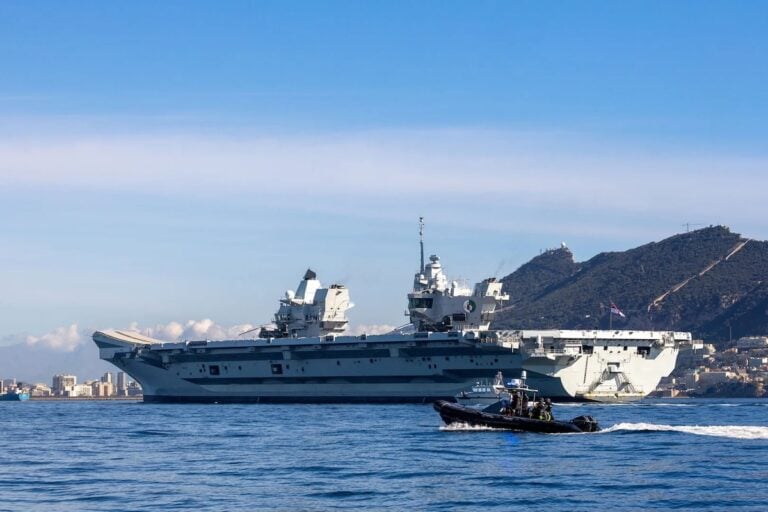
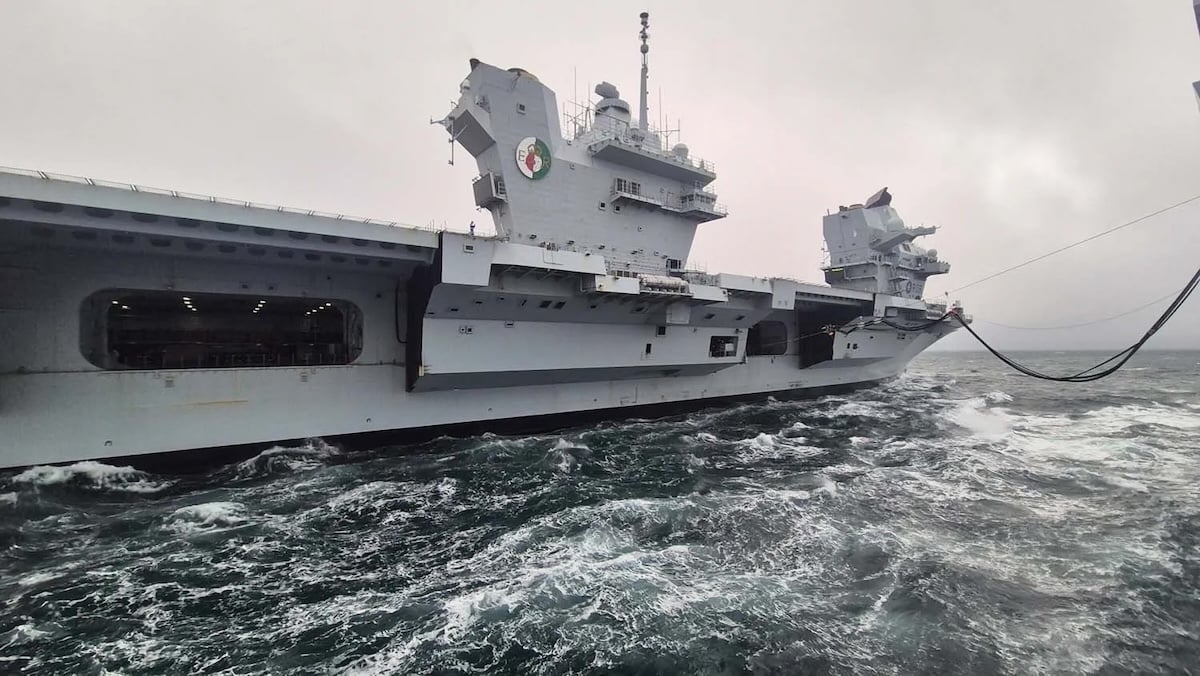
Tideforce supported HMS Prince of Wales during carrier operations and met HMS Queen Elizabeth as it left Belfast, replenishing the carrier at sea in an operation that continued after dark. The tanker later loaded cargo at Loch Striven before resupplying ships in the Carrier Strike Group during the second phase of Operation Firecrest.
Heavy weather forced Tideforce to take shelter off northern Iceland, and the tanker later waited out Storm Boelo off Ireland. Its engineers also carried out major repairs to the port main drive engine at anchor, removing a cylinder head so the ship could stay on task.
“The unpredictability of 320 operations is still as rewarding as it ever was – whether that be in understanding the intelligence picture, delivering operational output, enjoying the variation in tasking, the violent weather challenges or conducting complex repairs at sea to keep the ship on task,” said Captain Chris Clarke, Tideforce’s commanding officer. The crew also practised navigating the strong tidal currents of the Gulf of Corryvreckan, between the Scottish islands of Jura and Scarba.
“Whilst I don’t think I have stopped moving for more than five minutes these last few weeks, I have felt privileged to have experienced new things almost every day this trip,” said cadet Finley Groves, who was on his second Royal Fleet Auxiliary voyage. Rio Owen, a communications apprentice on his first assignment at sea, said: “I’ve now had a real opportunity to immerse myself into the true nature of what the RFA is all about.”