
The Arminius project is in the final stage of negotiations, but Rheinmetall said it could not be commissioned until 2027. The company also lowered its full-year operating margin forecast to about 18.5% from around 19%, bringing it in line with last year’s margin.
The lower outlook followed a record operating profit of €1.34 billion for the nine months to 30 September, up €544 million from a year earlier. Sales rose 38% to €8.38 billion, and higher volumes helped lift the operating margin to 16% from 13.1%.
Rheinmetall’s backlog reached €78 billion at the end of September, up from €56.7 billion a year earlier, including signed framework agreements. The value of new orders and framework agreements signed in the first nine months rose 19% to €19.1 billion.
German and Romanian orders drive vehicle growth
Vehicle Systems sales rose 20% to €3.90 billion, while the value of new orders and framework agreements climbed to €7.91 billion from €1.95 billion. Germany’s order for another 200 Puma infantry fighting vehicles and Romania’s order for 298 Lynx vehicles, financed through the EU’s SAFE programme, accounted for much of the increase.
Weapons and ammunition sales rose 34% to €2.71 billion, helped by an ammunition package for Hungary and sales of artillery and medium-calibre ammunition to Ukraine and other European customers. Operating profit in the division rose to €634 million from €440 million, while investment increased to €338 million from €284 million.
“The strong order book gives us the opportunity to expand our capacity over the long term, and we recently started production at new plants in the United Kingdom and in Albacete, Spain,” Chief Executive Armin Papperger said. “All of this is happening at Rheinmetall speed: an empty production hall in Telford, UK, has been transformed into a fully operational gun barrel facility in just eight months.”
Air defence orders rise as Romania places €920 million naval order
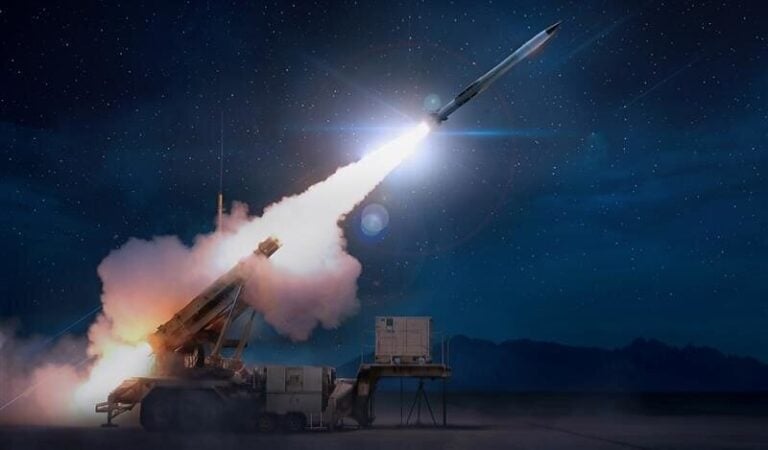
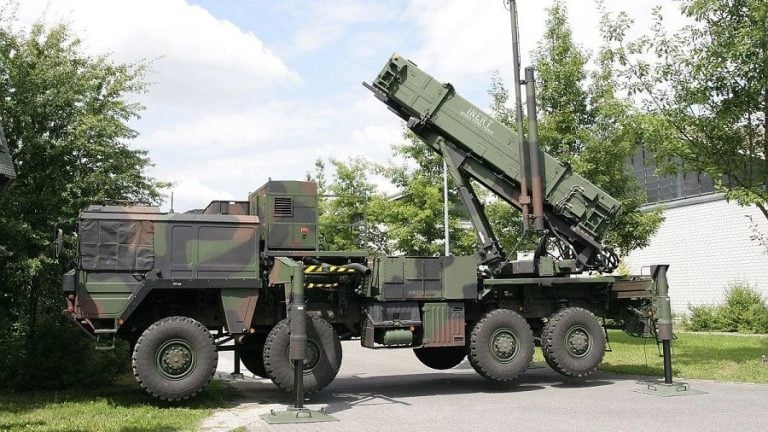
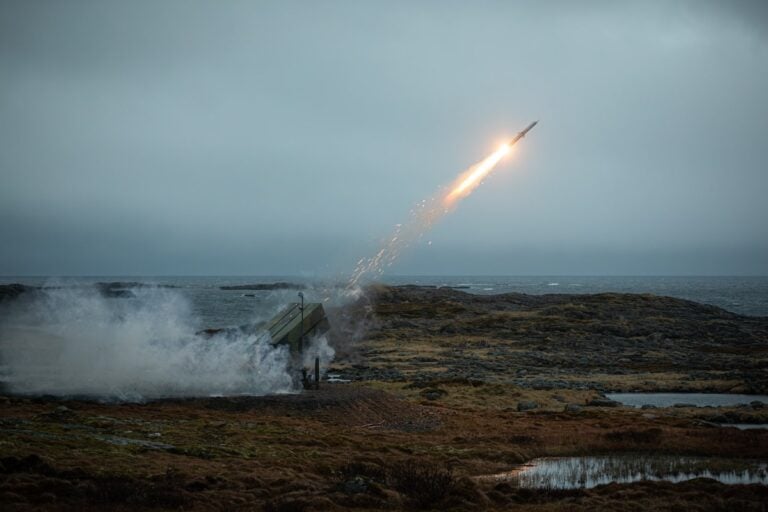
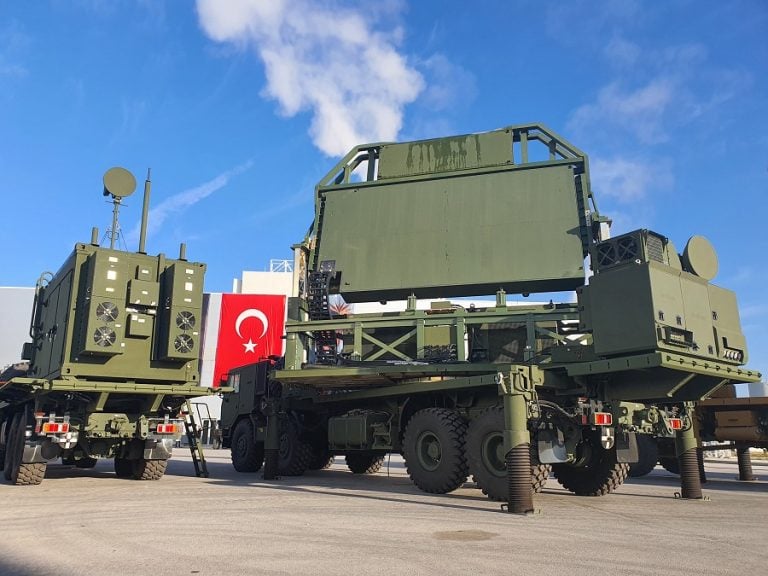
Air Defence sales rose 63% to €731 million as Rheinmetall worked on Skynex and Skyranger systems for European customers and delivered ammunition to buyers abroad. Further orders for both systems helped lift the value of new orders and framework agreements to €1.73 billion from €322 million.
Digital Systems sales rose 29% to €1.33 billion, helped by Germany’s TaWAN and D-LBO military digitalisation programmes and work on short-range air defence. The division’s backlog grew 39% to €20.40 billion, even as the value of new orders and framework agreements fell 51% from a period that included large TaWAN and soldier-system orders.
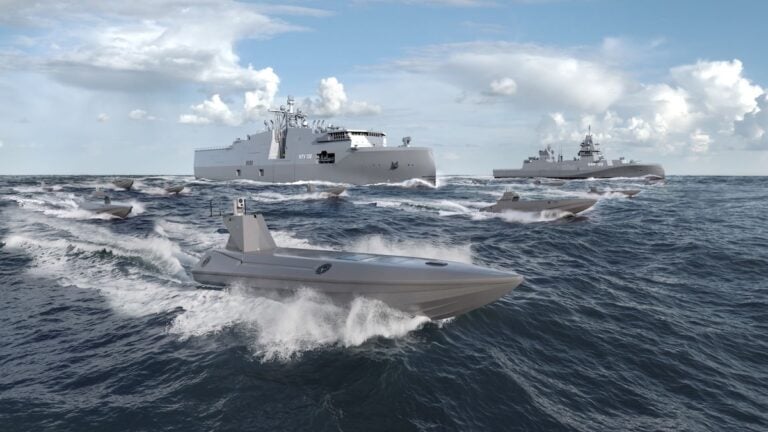
Naval Systems recorded €679 million in sales and €71 million in operating profit in the seven months after its acquisition at the end of February. Romania’s €920 million order for four naval vessels, financed through SAFE, accounted for most of the division’s €1.16 billion in orders over that period.