
The Ministry of Defence of Ukraine said the funding would support the defence of Ukrainian cities, critical infrastructure and military positions. Norway also plans to cooperate with other countries to help finance the package and address Ukraine’s urgent defence requirements.
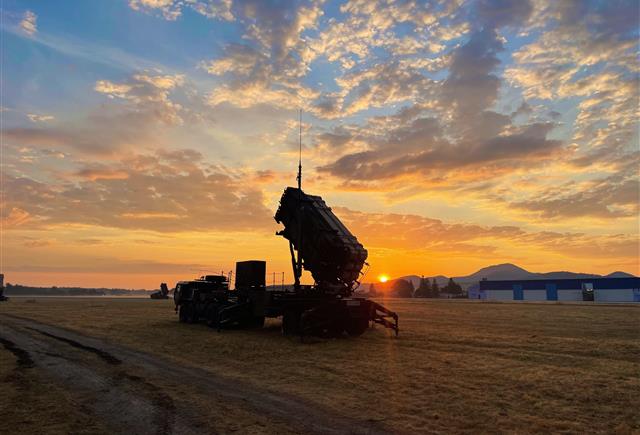
During a meeting in Oslo, Ukrainian Defence Minister Mykhailo Fedorov thanked Norway for its support. He also expressed gratitude to Norwegian Prime Minister Jonas Gahr Støre for decisions related to strengthening Patriot capabilities and supplying interceptor drones.
The Ukrainian side outlined progress in implementing its defence strategy across air, land and economic domains. Discussions also focused on developing a defence ministry capable of rapidly and transparently converting partner support into operational results.
According to the ministry, Ukraine reported increased battlefield effectiveness, including more enemy targets engaged and more aerial threats intercepted. The number of successful mid-strike missions has also increased.
Meetings with Norwegian officials included discussions on three priority areas of cooperation. These included strengthening air defence through the PURL initiative, supplying extended-range munitions under the Czech Initiative and expanding drone production.
The Ukrainian delegation also met Norwegian Finance Minister Jens Stoltenberg and Defence Minister Tore O. Sandvik. The talks addressed practical measures to strengthen the defence capabilities of both Ukraine and Norway.
During discussions with Sandvik, Fedorov highlighted Norway’s support for an initiative to equip Ukrainian brigades with drones at the basic operational level. The parties also reviewed future cooperation linked to defence technology and capability development.
Ukraine proposed expanding cooperation with Norway and other partners through joint technological initiatives. Areas identified for future work included air defence integration, ballistic missile interception, drones, ammunition and space technologies.
Fedorov also presented Ukraine’s approach during a NORDEFCO meeting attended by representatives from Sweden, Norway, Denmark, Finland and Iceland. The Ukrainian side said battlefield-tested technologies and operational experience could be shared with partner countries through a broader technological partnership.
During the visit, Fedorov met representatives of Kongsberg Gruppen led by chief executive Eirik Lie. The discussions focused on joint projects intended to strengthen NASAMS air defence capabilities and ensure missile supplies for the systems before winter.
The Ukrainian defence minister also briefed Norwegian members of parliament led by Peter Christian Frølich, chair of the Storting’s Standing Committee on Foreign Affairs and Defence. The briefing covered progress in implementing Ukraine’s defence strategy.
According to figures presented during the visit, the interception rate for enemy drones has increased from 81% to between 87% and 89% since the beginning of the year. This increase occurred despite a 1.5-fold rise in attacks involving Shahed-type drones.
Ukraine also reported a rise in the number of Russian troops killed or seriously wounded, from 15,000 in August to 35,000 in March and April. The country said it continues efforts to reach a target of 50,000 enemy personnel losses per month.
The Ukrainian ministry said pressure on Russia’s economy continues, particularly through operations targeting oil infrastructure. Fedorov also thanked the Norwegian parliament for supporting funding for Ukraine’s critical defence needs.