The exercise was organised by the Romanian Ministry of National Defence in cooperation with NATO Allied Command Transformation. It provided a structured environment to move solutions from demonstration to operational use.
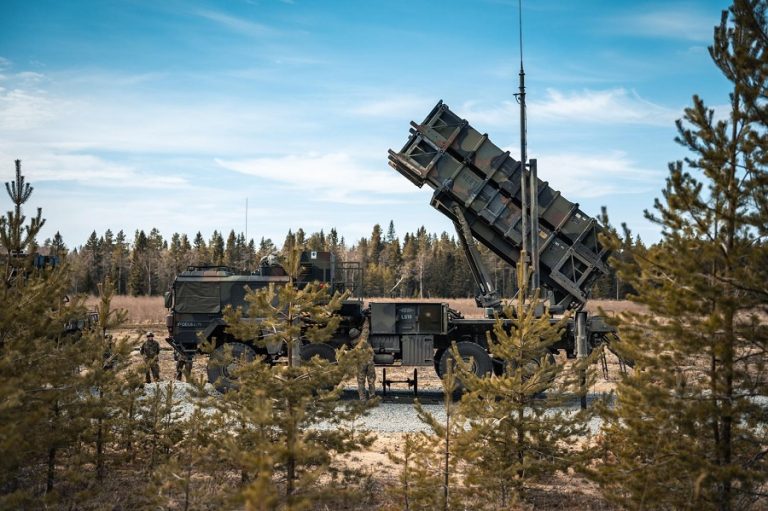
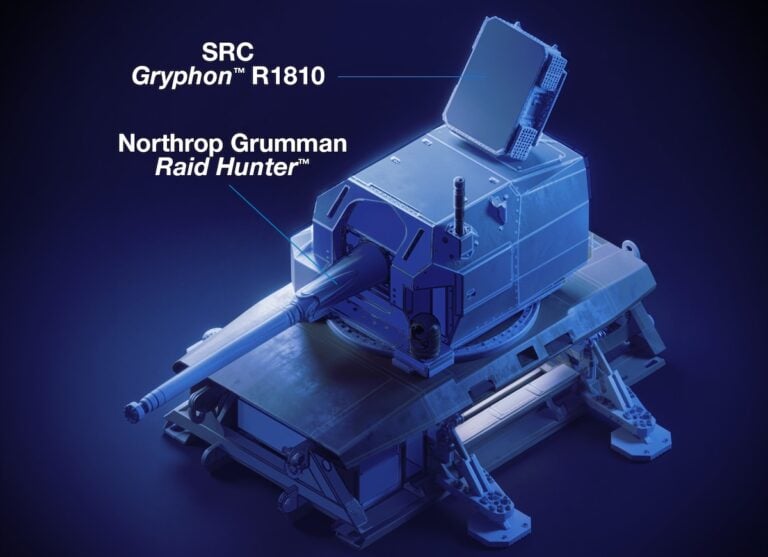
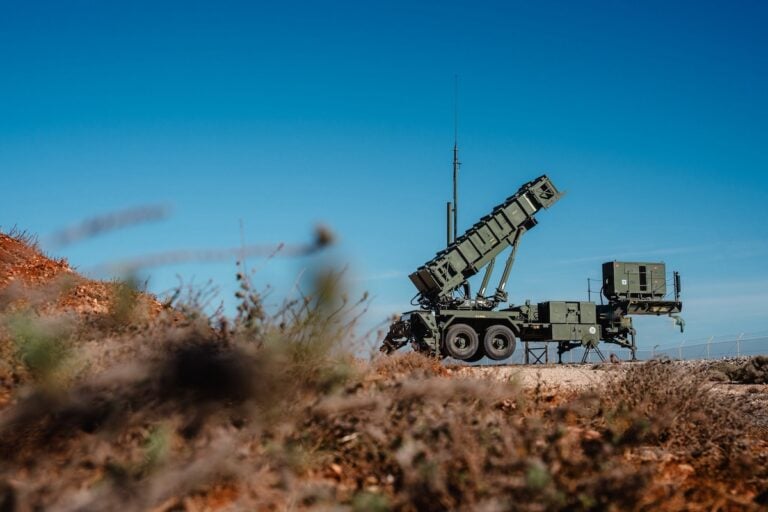
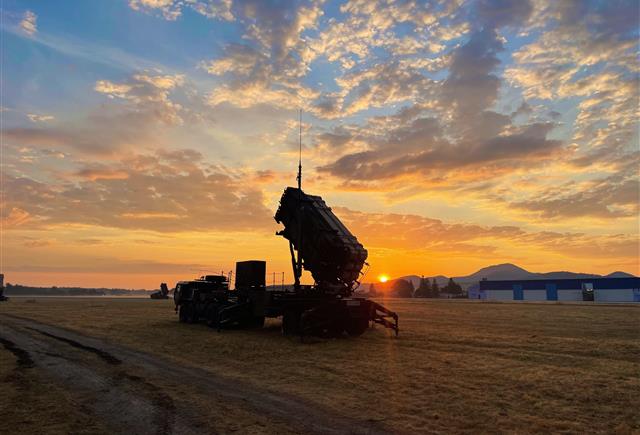
The activity focused on integrating sensors, command and control systems and effectors into a unified layered defence. Testing covered an area of 2.5 kilometres and included more than 250 systems, such as radars, acoustic and radio-frequency detectors, electronic warfare tools and kinetic and non-kinetic capabilities.
Scenarios included drone swarm operations over the Black Sea to reflect evolving threats. The exercise assessed how different systems could operate together in complex operational environments.
Support from the NATO-Ukraine Joint Analysis, Training and Education Centre, including Ukrainian experts, contributed to the evaluation process. This ensured performance was measured against current operational conditions rather than theoretical scenarios.
“Our advantage lies in our ability to adapt faster than our adversaries,” said Pierre Vandier, Supreme Allied Commander Transformation. “NATO gives nations a unique way to de-risk that adaptation together by testing what is available in the market, at scale, with industry from across the Alliance.”
The activity is linked to Eastern Sentry, NATO’s enhanced Vigilance Activity introduced following recent airspace violations on the eastern flank. The initiative aims to connect operational activities, national contributions and innovation efforts into a flexible defensive posture.
Eastern Sentry focuses on strengthening existing forces while enabling rapid deployment of counter-drone capabilities. It also seeks to improve the integration of sensors, command systems and effectors across the Alliance.
“Integrated Air and Missile Defence is the backbone of Eastern Sentry,” said Brennan Gallagher, a senior planner at Allied Air Command. “There’s going to be no silver bullet; the air domain cannot stand alone and solve it.”
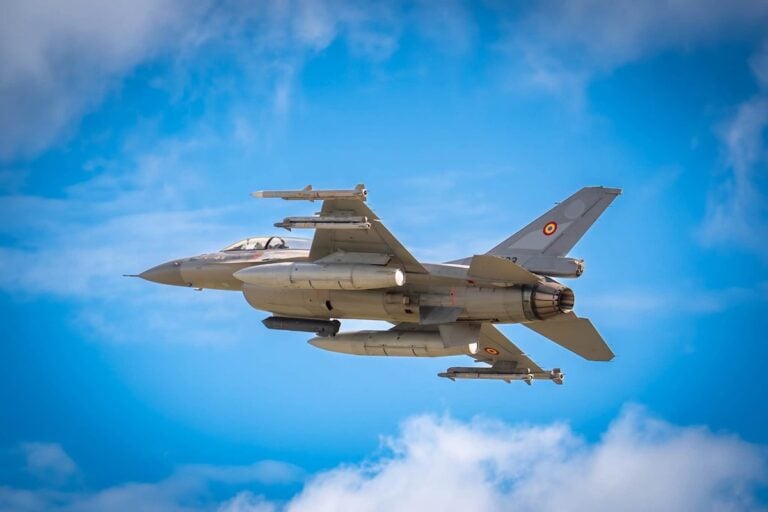
The Romania exercise demonstrated NATO’s approach to adapting to evolving aerial threats, including low-cost drones and one-way attack systems. It highlighted efforts to integrate existing and emerging capabilities across multiple domains.
The testing supports NATO’s objective to strengthen deterrence and defence along its eastern flank. It also reinforces the Alliance’s ability to detect, track and respond to aerial threats in a coordinated manner.