
The group now expects full-year underlying operating profit of £4.7 billion to £4.9 billion. Its free cash flow forecast increased to between £3.8 billion and £4 billion.
Underlying revenue rose to £11.28 billion from £9.06 billion a year earlier. Group underlying operating margin increased to 22.5% from 19.1%.
“Our transformation continues to deliver, and we are demonstrating that Rolls-Royce is now a very different company to that of the past,” Chief Executive Tufan Erginbilgic said. “We have unlocked new growth opportunities across the Group and created a resilient and diversified portfolio, with three strong businesses that can respond to changes in the external environment with agility and pace.”
Defence profitability reflected stronger aftermarket performance and continued internal improvements. Rolls-Royce also reported progress across several autonomous military propulsion programmes.
“In Defence, we continued to establish our leading position in autonomous propulsion with several key milestones achieved in the period,” Erginbilgic said. The programmes span the UK, the US and Germany.
The UK Defence Investment Plan allocated £5 billion for autonomous systems. The funding supports next-generation capabilities and a sovereign propulsion system.
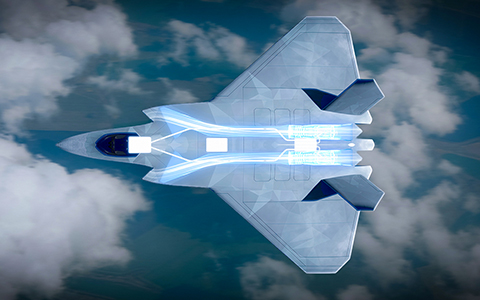
The plan also committed £8.6 billion to the Global Combat Air Programme through 2030. Rolls-Royce said it provided greater funding visibility for GCAP.
The plan also offered longer-term visibility for AUKUS and the UK’s Continuous at Sea Deterrent. Rolls-Royce expects additional opportunities from commitments announced at the latest NATO summit.
Those commitments include Saab GlobalEye and MQ-4C Triton programmes. The company did not provide expected contract values or delivery schedules.
In April, the US Navy’s MQ-25A Stingray completed its first flight. The aircraft used Rolls-Royce AE 3007N engines and autonomously executed a programmed mission plan.
In Germany, Rolls-Royce is designing a scalable core engine concept under contract. The engine could support several medium-class Collaborative Combat Aircraft platforms.
Military demand also supported the governmental business within Power Systems. Rolls-Royce now expects original equipment revenue in this market to grow 20% by 2030.
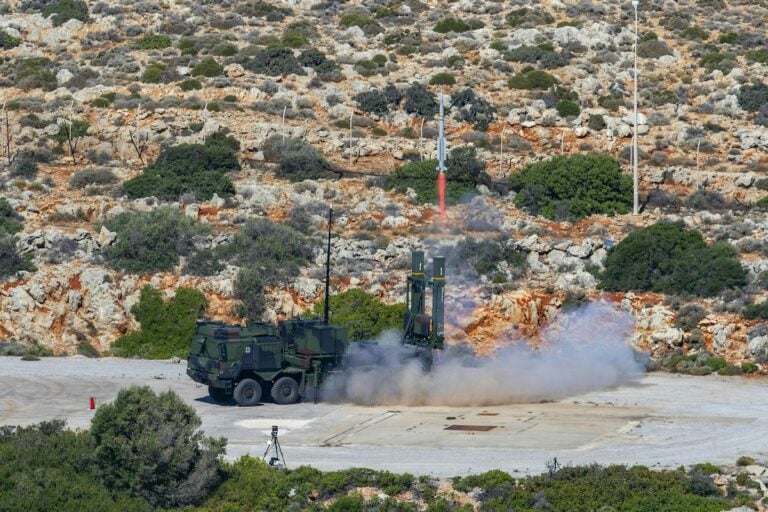
The company will supply 350 upgraded mtu Series 199 engines for new Boxer vehicles. The engines are intended for the German Armed Forces and international customers.
Rolls-Royce also secured an order for around 200 compact mtu PowerPacks. The systems will equip the Bundeswehr’s Puma armoured personnel carriers.
The company separately signed a memorandum with Polska Grupa Zbrojeniowa. The agreement covers services for mtu engines operated by the Polish Armed Forces.
First-half free cash flow increased to £1.96 billion from £1.58 billion. Net cash reached £2.14 billion at the end of June.
Rolls-Royce will pay an interim dividend of 6 pence per share in September. It has completed £1.4 billion of its planned £2.5 billion share buyback for 2026.
“A strong start to the year enables us to raise our guidance for 2026 despite the conflict in the Middle East,” Erginbilgic said. “We now expect to deliver underlying operating profit of £4.7-£4.9bn and free cash flow of £3.8-£4.0bn.”
Rolls-Royce said its investments would support growth in military propulsion, autonomous systems and land-platform powertrains. The first-half performance also increased confidence in its medium-term targets.