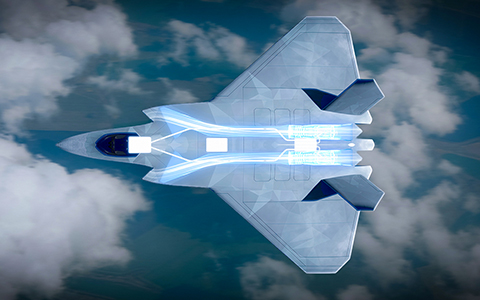
The three companies are developing engine technologies for GCAP, the next-generation combat aircraft effort involving the United Kingdom, Italy and Japan. The work is focused on propulsion, electrical power and thermal management for future sensors and weapons.
The consortium said the past year has strengthened collaboration between the partners. It has also opened a dedicated Collaboration Hub in Reading, United Kingdom.
The Reading hub gives the partners a shared site for co-location and closer work with the GCAP Agency and Edgewing. The companies described it as a practical sign of long-term commitment, trust and cooperation.
The design reviews have moved the program toward final approval of the all-new centerline engine demonstrator design. Component manufacturing is also continuing across the three-nation industrial team.
More than 100 subscale component tests have been completed so far. The engine demonstrator will collect data to shape the full GCAP power and propulsion system.
The demonstrator is intended to reduce technical and program risk before later development stages. It will also test processes, tools and working methods aimed at shortening the design and development cycle.
Edoardo Curti, General Manager of the Defense Business Unit, Avio Aero, said: “The progresses achieved by the teams across our three companies in developing the engine demonstrator represent a significant milestone in our shared commitment to delivering next-generation capability and meeting our customers’ evolving requirements. We are proud to continue strengthening our collaboration with Rolls-Royce and IHI, laying the groundwork for a strong, long-term partnership under GCAP.”
Noriyuki Nakamura, Senior Technical Advisor, Aero Engine, Space & Defence Business Area, IHI Corporation, said: “Within this international framework, IHI is integrating Japan’s cutting-edge engine technologies with the outstanding expertise of Avio Aero and Rolls-Royce to shape a new generation of power and propulsion – the ‘heart’ of tomorrow’s combat aircraft. By building a network of trust and co-creation that transcends national and corporate boundaries, this multi-decade endeavour will open new horizons for the defence aerospace engine industry and nurture future business, talent and international partnerships.”
Phil Townley, Director of Future Programmes, Defence, Rolls-Royce, said: “We aren’t just generating thrust; we are creating a flying power station capable of managing the unprecedented electrical and thermal loads required by next-generation sensors and weapon systems. Working as one trilateral team with Avio Aero and IHI, we are breaking down geographical and industrial boundaries to deliver this capability at pace.”
The companies said the program also supports industrial capacity and skills in all three partner nations. It currently sustains more than 9,000 highly skilled aerospace roles worldwide.
For the GCAP partners, the next step is moving the engine demonstrator from design maturity toward ground testing. The effort links propulsion performance with the power and heat-management demands of the future combat aircraft’s mission systems.