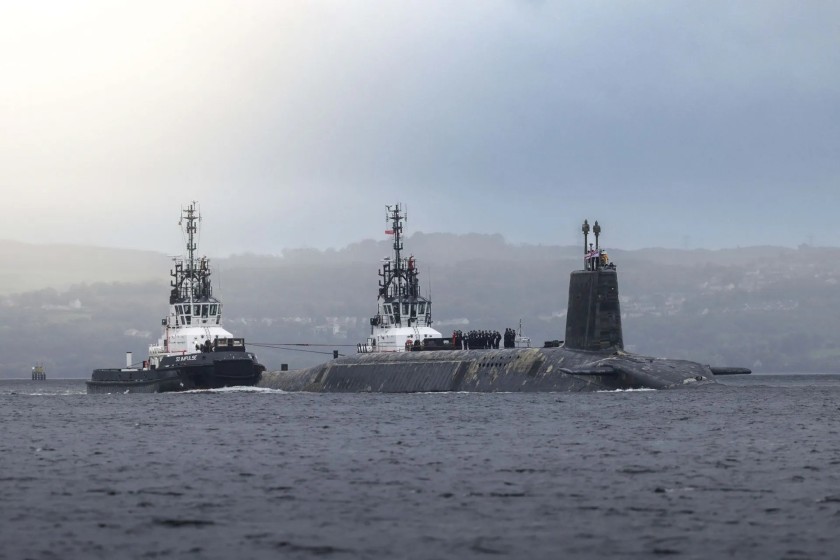
The previous record of 204 days was also held by HMS Vanguard during a patrol last year. The extended mission underscores the operational and logistical challenges of sustaining long-duration underwater deployments without port access.
The patrol formed part of the United Kingdom’s continuous at-sea deterrent under Operation Relentless. Since April 1969, at least one British ballistic missile submarine has remained on patrol at all times, fully armed and ready.
HMS Vanguard is the lead vessel in a class of four submarines that have carried out this role since 1993, replacing the earlier Resolution-class boats. The Vanguard-class is expected to be gradually replaced by the next-generation Dreadnought-class submarines in the early 2030s.
The prolonged deployment places significant demands on both crew and logistics. Food supplies designed to last around four months are supplemented by storing provisions throughout the vessel, including in unused spaces, reflecting practices seen in earlier submarine operations.
Extended periods in confined conditions can also affect crew wellbeing. After such patrols, personnel may experience temporary changes in vision, with medical advice recommending a short adjustment period before resuming activities such as driving.
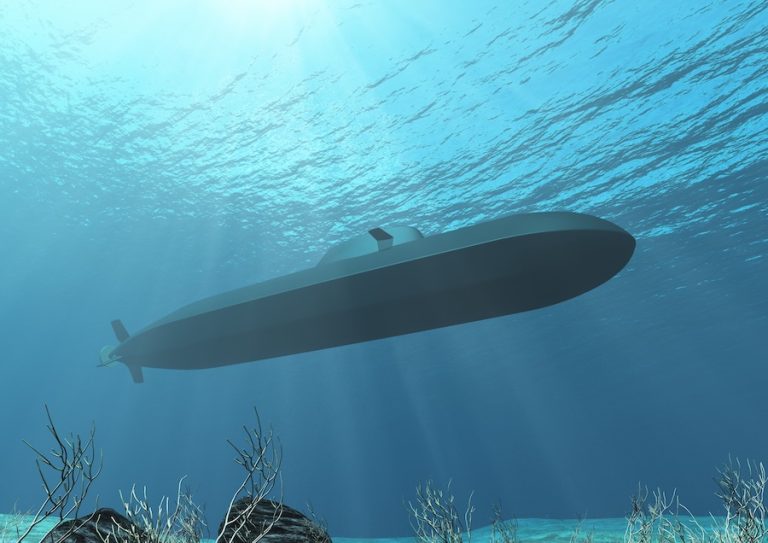
The Vanguard-class submarines are the largest ever operated by the Royal Navy, with a submerged displacement of 15,900 tonnes. They are powered by a Rolls-Royce PWR-2 nuclear reactor, enabling sustained submerged operations and a maximum speed of around 25 knots.
The vessels are equipped with integrated sonar systems developed by Thales Underwater Systems and advanced optical masts for surface observation. Their primary armament consists of 16 Trident II D5 missiles, each capable of carrying multiple independently targetable nuclear warheads.
Additional armament includes Spearfish heavyweight torpedoes launched from four bow tubes. Each submarine operates with a crew of around 135 personnel, with dual crews assigned to maintain continuous deployment cycles.
As with a previous patrol, a government delegation visited the submarine following its return. The delegation was led by Keir Starmer, reflecting the strategic importance of the United Kingdom’s nuclear deterrent.