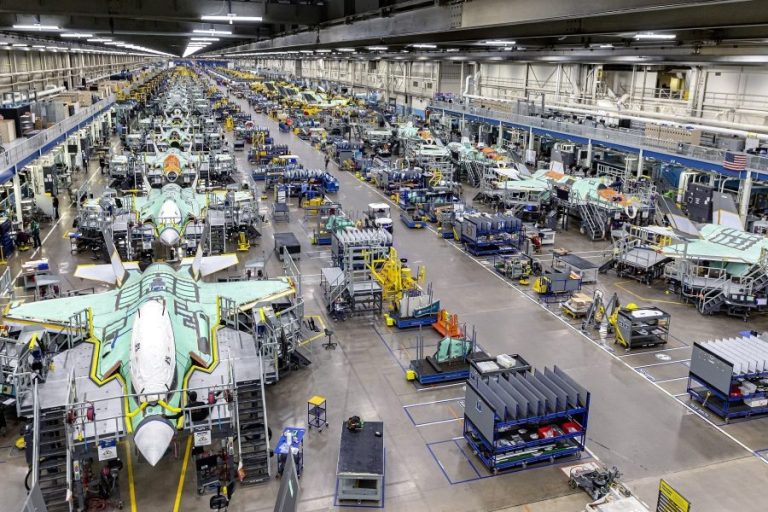
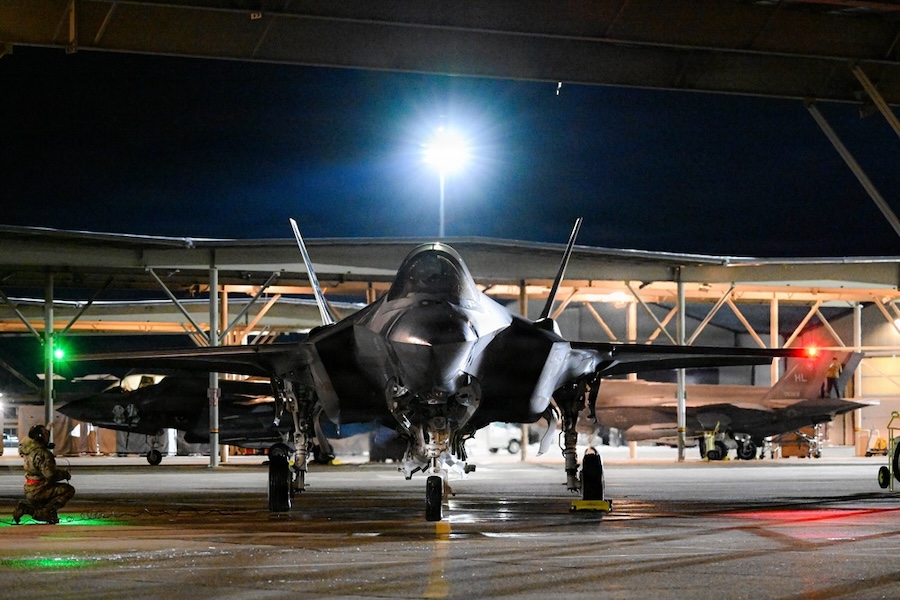
The Swiss Federal Council requested an additional CHF394 million in March 2026 to supplement the original approved budget of CHF6.04 billion for the acquisition. According to the report, the final number of aircraft will depend on ongoing negotiations involving the United States administration, Lockheed Martin and Pratt & Whitney over programme costs.
The report stated that the final aircraft quantity may not be confirmed until the second quarter of next year. At the same time, U.S. programme officials are reportedly narrowing the scope of the current Block 4 modernisation package, raising the possibility that some capabilities for the Swiss fleet may only be added later and potentially at additional cost.
Switzerland selected the F-35A as its future combat aircraft despite criticism that the stealth multirole platform exceeds the country’s primarily air-policing requirements. The original contract price was based on a spending ceiling approved in a 2020 referendum and excluded estimated operating costs of CHF9.4 billion over a 30-year period.
Following discussions with U.S. officials in 2025, Swiss authorities acknowledged that the projected cost for 36 aircraft could increase by as much as CHF1.3 billion. Until then, the Swiss government had maintained that the agreed price was fixed and included protections against inflation through Switzerland-specific contractual mechanisms.
According to the report, Washington later clarified that prices under the U.S. Foreign Military Sales framework are estimates and therefore subject to change. The procurement subsequently became politically controversial, leading to efforts by opponents to halt the acquisition through a public initiative, although the proposal was later withdrawn after production contracts had already been signed.
Despite rising costs and concerns over the United States’ long-term commitment to European security, the Swiss government and Ministry of Defence have rejected suggestions that the procurement should be reconsidered. The report noted that Switzerland’s Social Democratic Party proposed alternative concepts in 2025, including closer integration of Austrian and Swiss air-defence regions and a mixed-fleet structure combining existing Boeing F/A-18 Hornet aircraft with Leonardo M-346FA jets for air-policing missions.
The report stated that Switzerland could still cancel the F-35A purchase before deliveries begin in 2027, although such a decision would carry significant financial consequences. These would include contract termination costs and the estimated CHF1 billion already spent on the programme by the end of 2025.
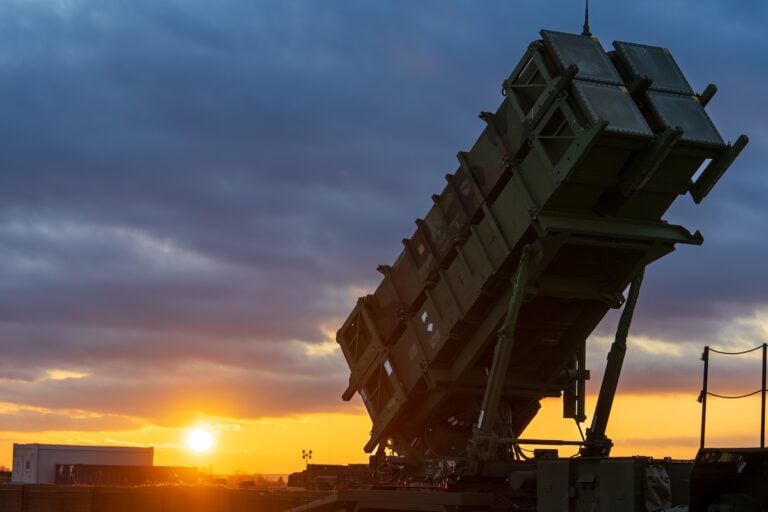
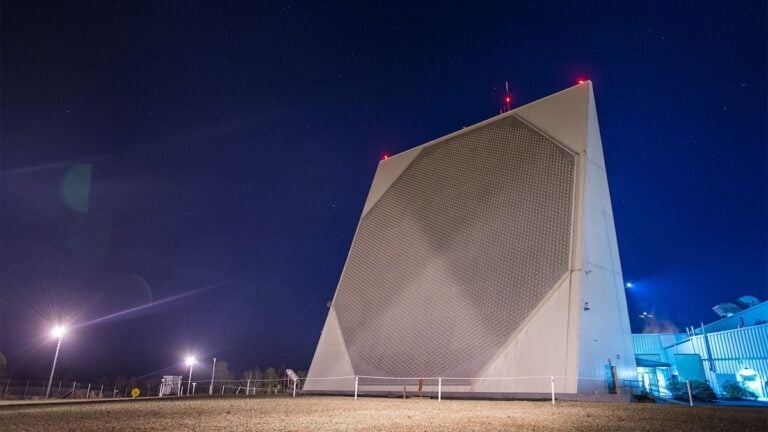
Switzerland’s wider air-defence modernisation programme is also facing uncertainty over the planned acquisition of the Patriot missile system. Bern agreed in 2022 to purchase five Patriot batteries, with deliveries initially expected to begin in 2026.
According to the report, heavy operational use of Patriot systems in Ukraine and the Middle East has affected production schedules and led the United States to reprioritise deliveries. By April 2026, Swiss authorities had still not received a confirmed delivery schedule and were reportedly considering all available options, including cancelling the purchase.
The report also highlighted Switzerland’s growing emphasis on international cooperation in air policing and air defence. Existing agreements with Austria, Germany and Italy already provide for cross-border cooperation, while Switzerland has also cooperated with France on Earth observation activities and with the United Kingdom and the U.S. Air Force on pilot training programmes.
In October 2024, Switzerland joined the European Sky Shield Initiative, a German-led project intended to improve interoperability in ground-based air defence systems. According to the report, Switzerland included a suspension clause in the agreement to ensure compliance with its neutrality laws while preserving the option of international defence cooperation in the event of an armed attack.
Source: IISS.