
According to the Department of War, the new contract increases the total value of the Guam Aegis Ashore programme to approximately $1.9 billion. An initial tranche of $79 million was released at the time of signing to support ongoing work.
Lockheed Martin will continue engineering and development activities linked to the missile defense installation, as well as certification of technologies intended for the Guam-based system. The project is aimed at strengthening U.S. defensive capabilities in the East Asia region.
The United States has previously completed two Aegis Ashore facilities in Europe, with one site operating in Romania and another in Poland. The Guam installation is intended to expand missile defense coverage in the Pacific theatre amid evolving regional security challenges.
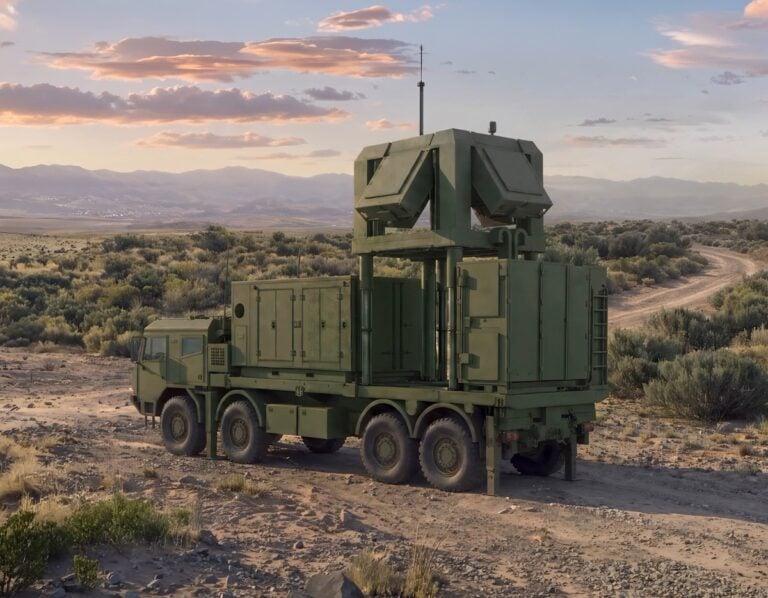
The Aegis Ashore system is based on existing naval missile defense technologies adapted for land-based use. It incorporates Mk 41 vertical launch systems designed to fire interceptor missiles, radar stations from the SPY-1 family and an integrated fire-control system.
According to the report, the Guam configuration could potentially use the newer SPY-6 radar instead of the SPY-1 currently used in earlier Aegis Ashore sites. The system is operated by personnel largely recruited from the United States Navy, who are trained in a similar manner to crews serving aboard Arleigh Burke-class guided missile destroyers.
The Guam missile defense project forms part of broader U.S. efforts to reinforce regional deterrence and strengthen protection against ballistic missile threats in the Indo-Pacific. Lockheed Martin continues to play a central role in the development and integration of the Aegis Ashore architecture.