GAO published its findings on July 31, covering program conditions through March 2026. It found total costs had increased by more than 30% since early development began.
Ten of the modernization portfolio’s 13 projects reported cost, schedule or performance problems. The engine replacement and radar programs face the largest difficulties.
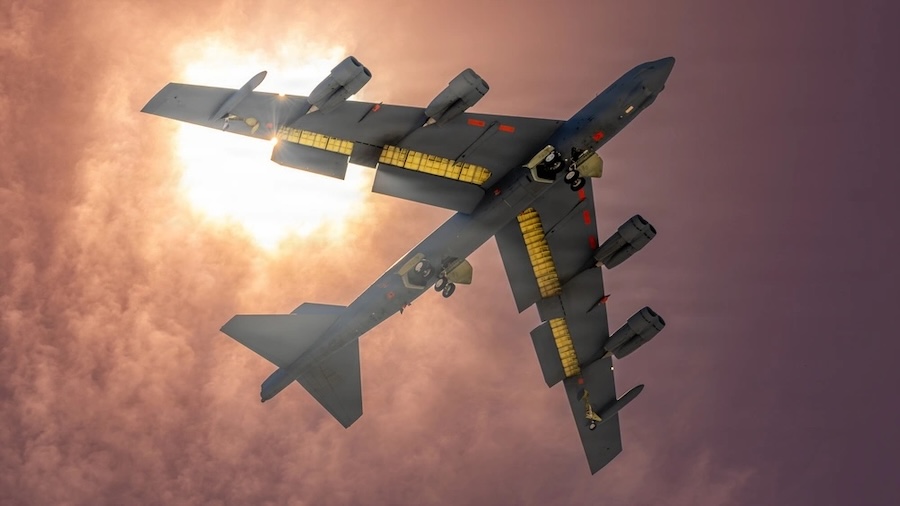
The Air Force plans to upgrade the B-52’s engines, radar, communications systems and airframe. The work is intended to keep the bomber operational through 2050.
The B-52 has served with the Air Force for 71 years. The last aircraft in the current 75-bomber fleet was delivered in 1962.
The Commercial Engine Replacement Program is a major part of the wider effort. It will replace the bomber’s existing engines with Rolls-Royce F130 powerplants.
GAO said the engine program’s estimated cost had increased by 38%. The Air Force also plans to conduct development and flight testing in parallel.
That approach creates further schedule risk if major design changes become necessary. GAO recommended delaying a key program decision until officials assess the latest costs and delays.
The radar modernization program is also behind schedule. Its planned entry into operational use has moved to the third quarter of fiscal 2030.
A B-52 involved in radar testing crashed on June 15 after leaving Edwards Air Force Base. Eight people died, including Boeing specialists supporting the test.
The crash reduced the Air Force inventory from 76 aircraft to 75. Officials have not announced the cause of the accident.
GAO issued six main recommendations for the modernization portfolio. They included updated schedules and clearer responsibility for monitoring equipment service life.
The watchdog also called for an assessment of digital engineering tools. It said stronger planning and oversight were needed across the upgrade effort.