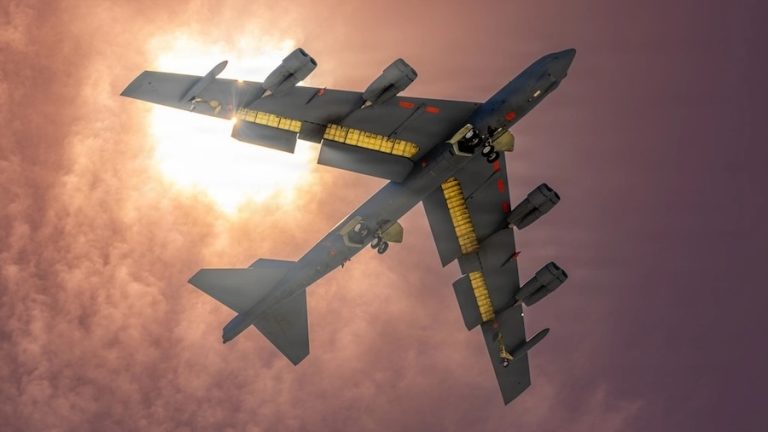
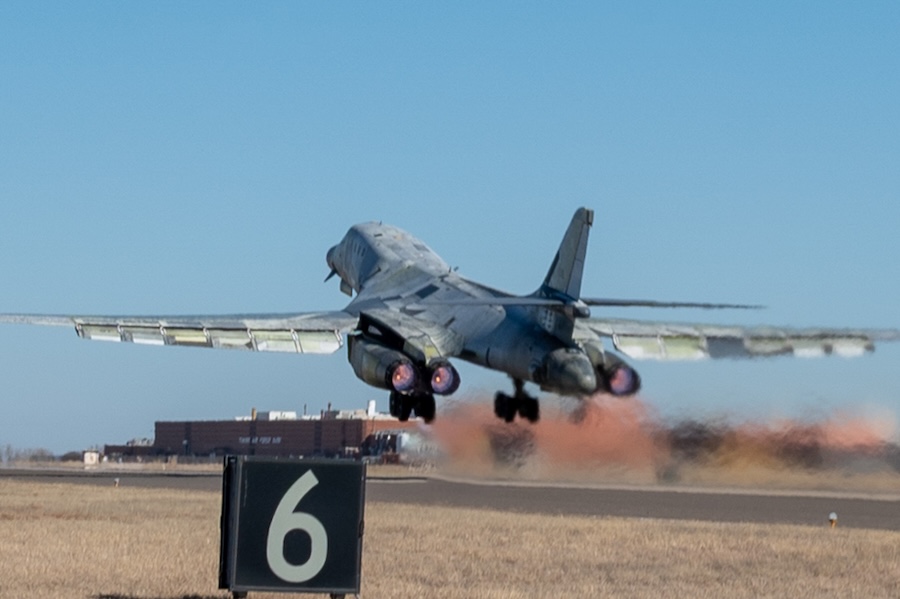
The bomber had been placed in Type 2000 storage at the 309th Aerospace Maintenance and Regeneration Group at Davis-Monthan Air Force Base in 2021. The facility, commonly known as the “boneyard,” stores and preserves retired and inactive military aircraft.
Jason Justice, a technical analyst with Tinker’s B-1 Systems Program Office, said the aircraft’s return represented a significant milestone. “I’ve been on this jet for 32 years,” Justice said.
“To see it come back and still support the warfighter is a great feeling,” he added. Justice, a retired Airman, was involved both in placing the aircraft into storage and later helping coordinate its restoration.
According to the Air Force, more than 200 Airmen and civilian personnel from the 567th Aircraft Maintenance Squadron participated in the effort. The teams carried out system overhauls, structural repairs and replacement of more than 500 components.
Steven Mooy, master scheduler for the 567th Aircraft Maintenance Squadron, praised the maintenance teams involved in the programme. “The maintainers of the 567th support our warfighters at unprecedented levels,” Mooy said.
“They overcome so many obstacles and work together to accomplish repairs that nobody else in the bomber community could do,” he added. The work included extended shifts to complete repairs and restoration activities.
Pilots from the 10th Flight Test Squadron at Tinker Air Force Base conducted functional check flights over Oklahoma after the aircraft’s restoration work was completed. The bomber flew in an unpainted, bare-metal configuration while crews validated system performance and flight capability.
Once the aircraft was declared Fully Mission Capable, it moved to the final stage of the regeneration process at the paint facility. Three rotating teams then worked continuously to prepare the aircraft for final delivery.
The Air Force said the regeneration effort reflects broader work to sustain legacy bomber aircraft while modernisation programmes continue. Officials said depot maintenance remains essential to extending the operational service life of current platforms.
“We’ve got the right people doing the right work,” Justice said. “That’s what makes something like this possible.”
The aircraft has since returned to Dyess Air Force Base, where it rejoined the operational fleet. The bomber also received a new name and nose art marking its restoration and return to service.