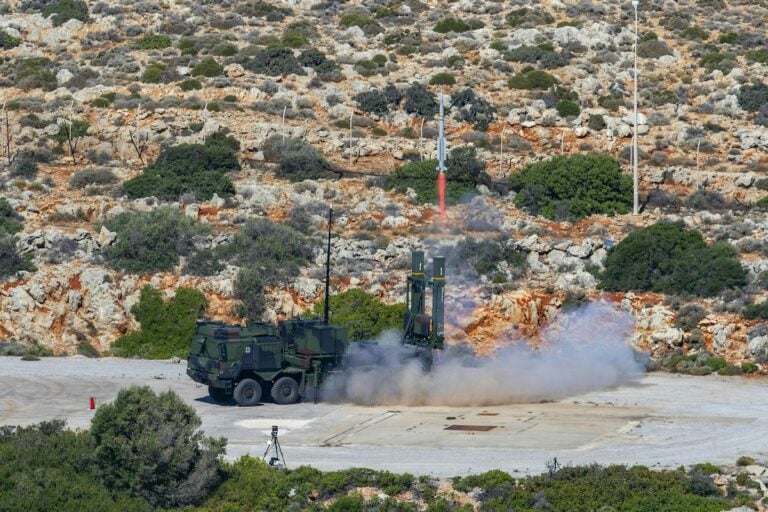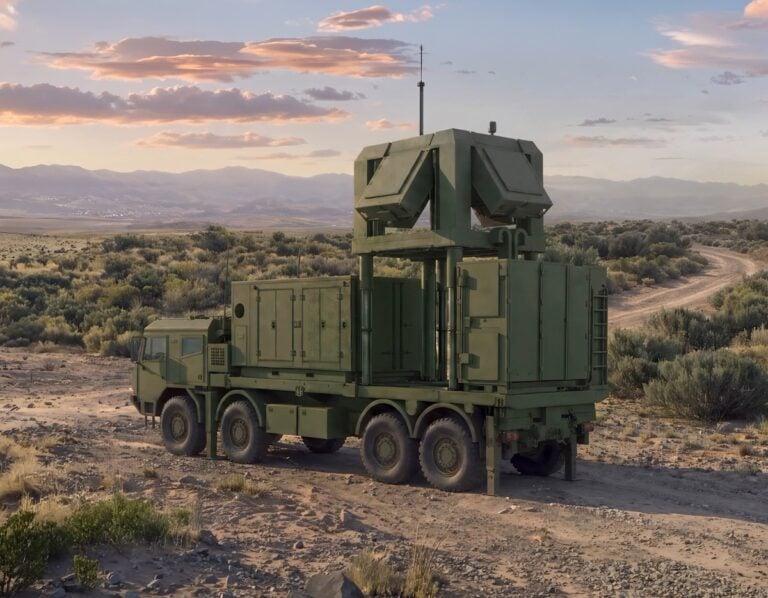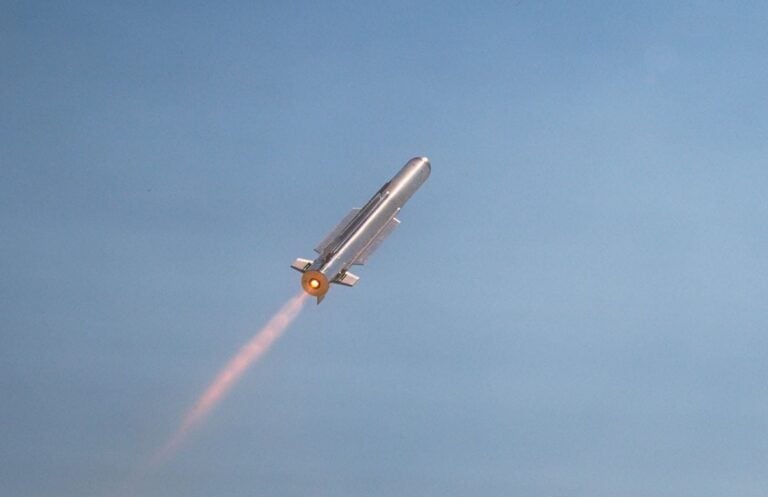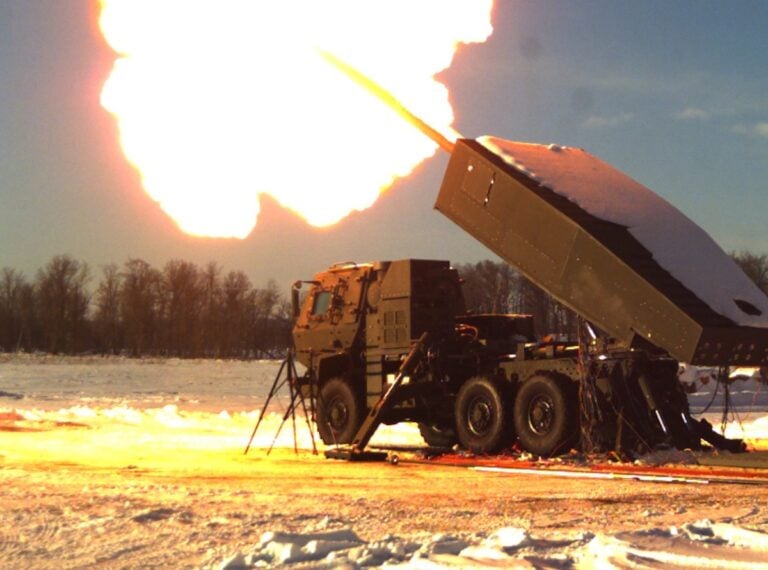
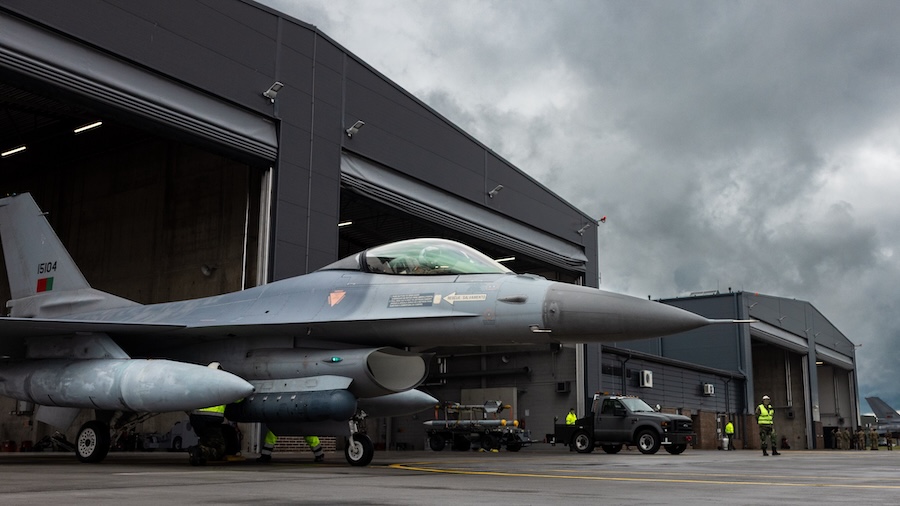
The training brought together Romanian and Portuguese F-16 fighters, Lithuanian surface-based air and missile defence units, Spanish National Advanced Surface-to-Air Missile Systems and a Romanian Patriot system. The scenario focused on counter-unmanned aerial systems within NATO’s Integrated Air and Missile Defence framework.
The Romanian “Carpathian Vipers” F-16 detachment is operating from Šiauliai, Lithuania. The unit currently contributes to NATO’s Air Policing mission in the Baltic region and provides a ready air defence capability under NATO command.
NATO said the detachment’s participation linked day-to-day vigilance with wider integrated air and missile defence activity. The training demonstrated how deployed Allied fighter detachments can support both routine safeguarding of NATO airspace and rapid responses to emerging airborne threats.
NATO’s Airborne Warning and Control System provided airborne command and control during the mission. It also supported cross-domain coordination and provided notional target information to air and ground assets.
NATO’s Combined Air Operations Centre Uedem coordinated and oversaw the activity. It directed air defence operations across the region.
The mission strengthened NATO’s ability to integrate air, ground and enabling assets into a cohesive air defence posture. NATO said it demonstrated how Allied forces combine national capabilities under NATO command to detect, track and respond to airborne threats.
Integrated Air and Missile Defence is the backbone of NATO’s air defence framework. Eastern Sentry demonstrates Allied Air Command’s contribution to the defence of NATO territory, populations and airspace through a defensive, proportionate and coordinated posture on the Alliance’s eastern flank.
The training showed NATO’s ability to conduct high-level air activity over the Baltic region. It also helped refine shared procedures, interoperability and operational cohesion among Allies.
NATO said the activity reinforced deterrence and defence through ready, integrated and responsive airpower. The exercise highlighted the Alliance’s focus on maintaining vigilance and improving counter-drone readiness along its eastern flank.