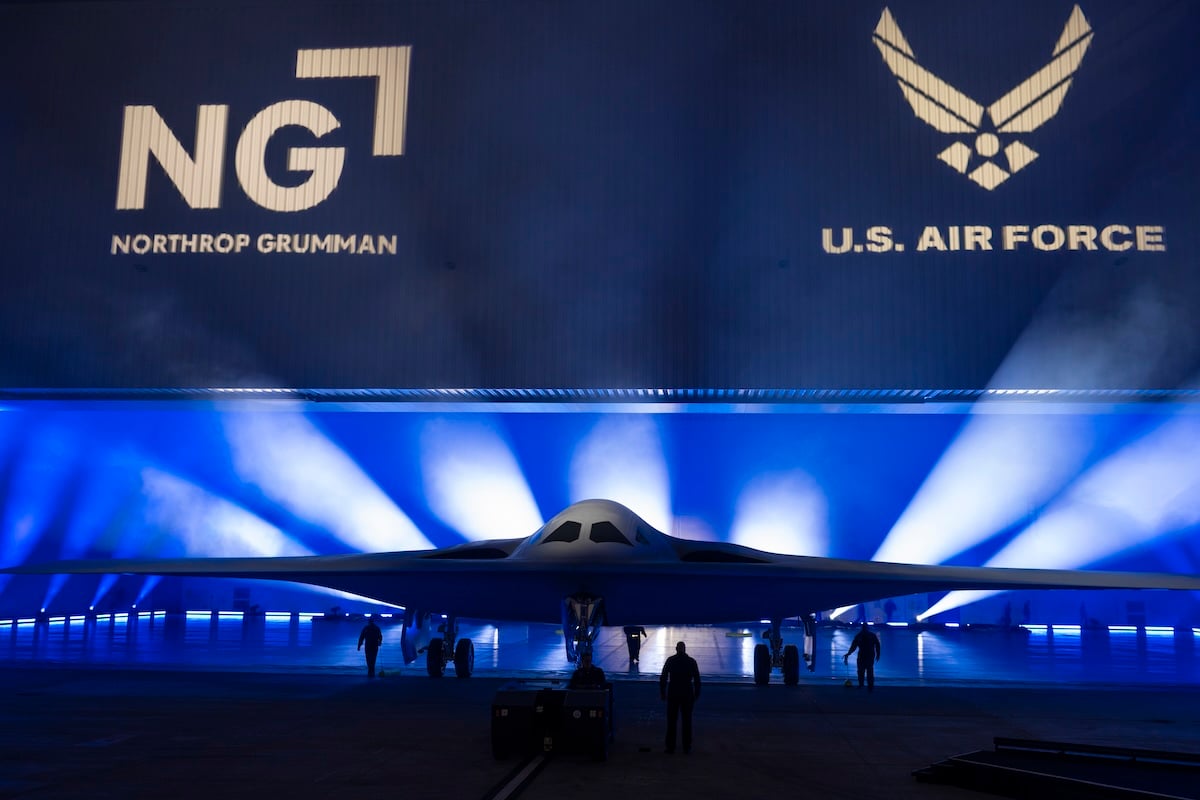
The investment would transform the installation as it prepares to become the B-21’s third main operating base. William Beuschel, deputy chief of the Dyess AFB B-21 Program Integration Office, said construction timelines and regional infrastructure were key considerations.
The projects require extensive coordination among the Air Force, U.S. Army Corps of Engineers and industry partners. The Air Force’s account of the summit provided no breakdown of the planned investment or date for the aircraft’s arrival.
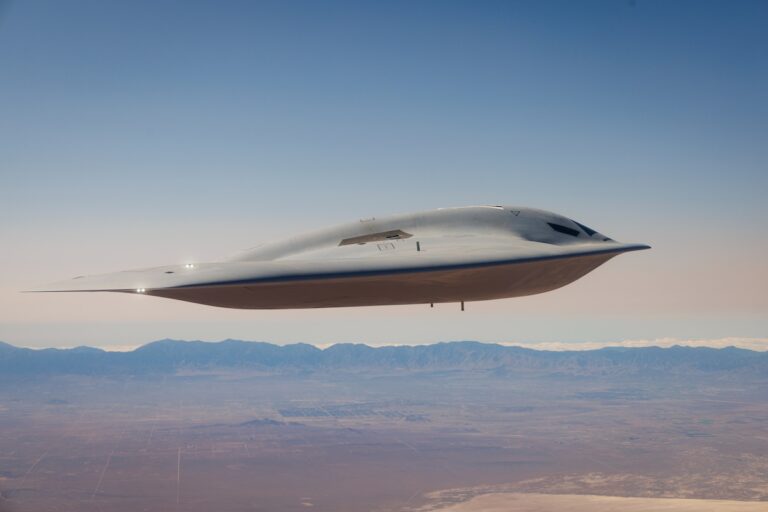
The B-21 is designed for long-range strikes in highly contested environments and will support conventional and nuclear deterrence. Introducing the aircraft will require new facilities, training systems and specialized personnel while the bomber force continues to meet its existing operational commitments.
“We must remain ready to execute today’s mission while preparing for tomorrow’s capabilities,” said Maj. Gen. Ty Neuman, commander of Eighth Air Force and the Joint-Global Strike Operations Center. “Modernization cannot come at the expense of readiness, and taking care of our Airmen is essential to sustaining both.”
Lt. Gen. Mark Pye, deputy director for Critical Major Weapon Systems at the Department of War, highlighted the aircraft’s range, payload flexibility and survivability. He said preparations must also cover the people and systems needed to operate and sustain it.
“Successfully fielding the B-21 will require relentless teamwork and ruthless prioritization for years to come,” Pye said. “We must remain focused on the mission, align our efforts and sustain that momentum throughout the transition.”
Housing, childcare and health care were also on the agenda, reflecting the demands the future mission will place on Abilene. Maj. Gen. Peter Bonetti, director of Air Force Global Strike Command Strategic Plans, Programs and Requirements, said those services would help retain personnel with the expertise the aircraft requires.
“The B-21 will require some of the most highly trained and specialized Airmen in our force,” Bonetti said. “Retaining that expertise depends not only on the mission, but also on the quality of life and support our Airmen and their families receive from the surrounding community.”
Col. Robert Sturgill, commander of the 7th Bomb Wing and the installation, identified housing availability, construction capacity and community resources as priorities for local coordination. He emphasized that preparing the base for the B-21 must go hand in hand with maintaining its current combat capabilities.
“We can bring in the B-21, develop new weapons and build new facilities, but people are more important than hardware,” Sturgill said. “Our most important responsibility is preparing Airmen to execute the mission while ensuring we’re ready to fight today.”
Officials also drew on experience from the B-2 Spirit mission at Whiteman Air Force Base in Missouri. Col. Tim Griffith, deputy commander of the 509th Bomb Wing, discussed the importance of experienced personnel, technical expertise and operational security.
The summit was hosted by the Abilene Chamber of Commerce’s Military Affairs Council and brought together military, government, industry and community representatives. Northrop Grumman’s B-21 program general manager, Chris Adams, provided an industry perspective on aircraft development and opportunities for workforce collaboration.