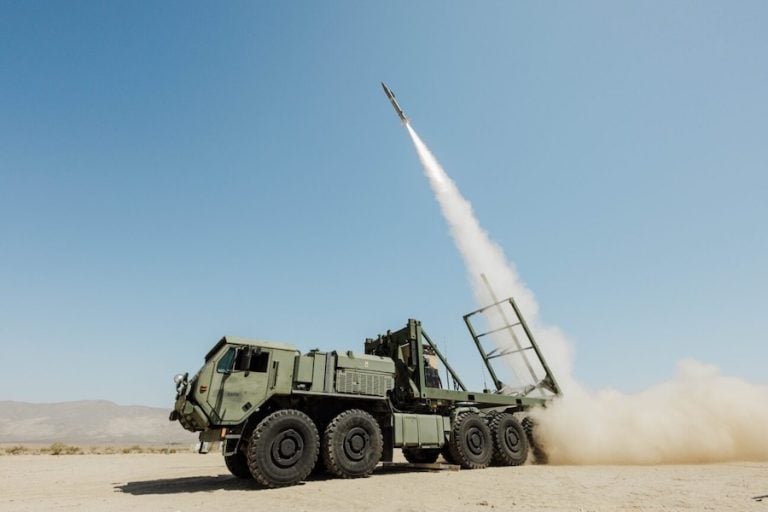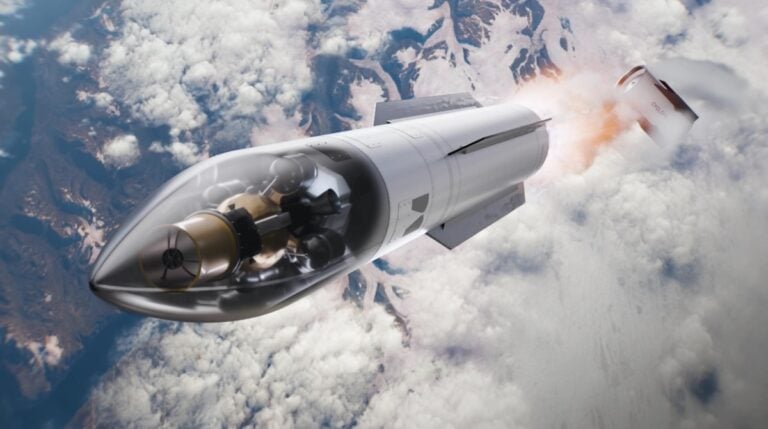

Castelion will manufacture, assemble and test the weapons under the award. The order follows the Navy’s purchase of 50 Blackbeard Early Operational Capability weapons in June.
Portfolio Acquisition Executive Aviation awarded the order through its Future Capability Development and Integration Aviation Rapid Capabilities Cell. The procurement is intended to accelerate a carrier-based, long-range hypersonic strike capability for naval aviation.
“The Navy’s decision to move into production reflects its confidence in the Blackbeard program, and the progress we’ve made together,” said Bryon Hargis, co-founder and chief executive officer of Castelion. “We are grateful to PAE(A) for the trust and the urgency.”
Hargis said the weapon was designed with serial manufacturing in mind. “Blackbeard was engineered from day one for the production line, and we look forward to delivering this capability to the fleet.”
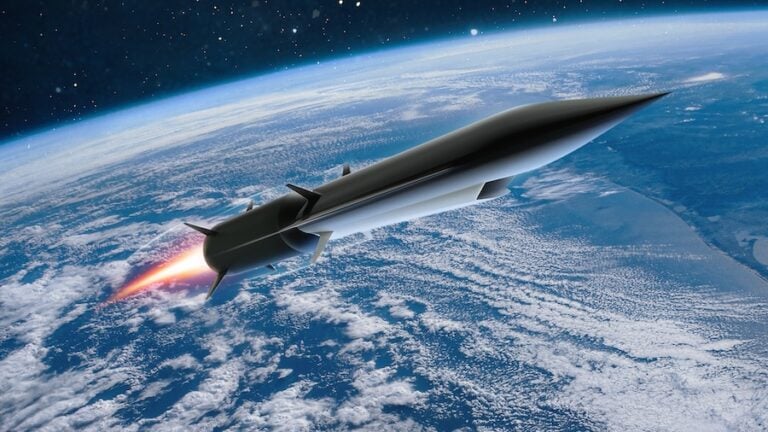
Blackbeard is designed to provide naval aircraft with a responsive, long-range and high-speed strike option against maritime and land targets. Castelion said the weapon would increase magazine depth and extend the strike reach of naval aviation.
The production decision builds on U.S. Army and Navy contracts covering the weapon’s integration with operational platforms. Castelion has developed Blackbeard with the Navy, Army and Air Force, supported by hundreds of millions of dollars in private investment.
The company plans to combine vertical integration with commercial manufacturing methods during production. Castelion said this model gives it greater control over cost, quality and schedules from raw materials to completed weapons.
Work will be conducted at Project Ranger, Castelion’s 1,000-acre manufacturing campus in Rio Rancho, New Mexico. Additional work will take place at the company’s facility in Torrance, California.