Built by Boeing, the Stingray’s primary mission is aerial refueling to extend the range, endurance and flexibility of the carrier air wing. Boeing describes the MQ-25A as the Navy’s first operational, carrier-based unmanned aircraft.
Second carrier installation advances Stingray integration
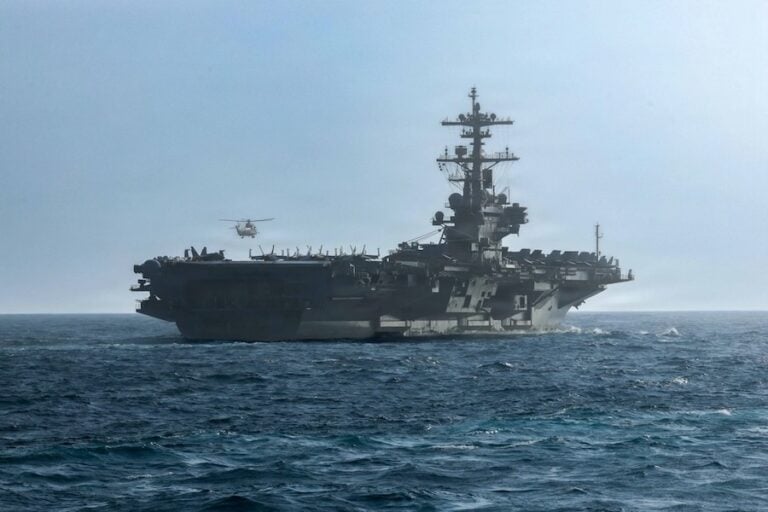
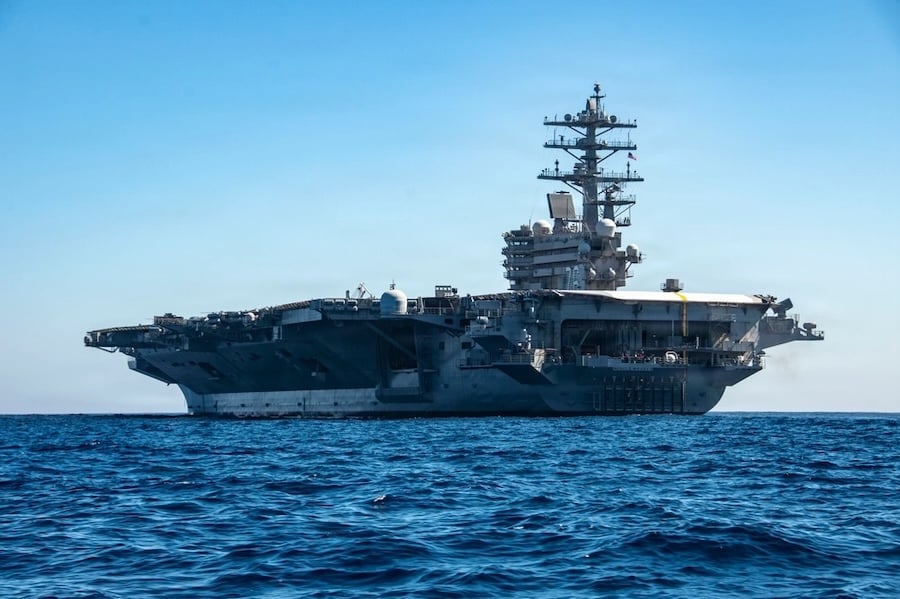
The work aboard Ronald Reagan follows the fleet’s first operational installation on USS Theodore Roosevelt (CVN 71) in March. That installation demonstrated the viability of the Unmanned Air Warfare Center, which houses the equipment used to command and control the Stingray.
The Ronald Reagan team completed all 11 ship modifications concurrently over 17 months. The Navy said this replaced a typical multiyear, phased approach and established an integration model for future unmanned carrier aircraft.
“With each new install and milestone, we are closing the gap for our warfighters to give them the capability, capacity, and lethality they need to win the fight,” said Capt. Daniel Fucito. Fucito leads the Unmanned Carrier Aviation Program Office, known as PMA-268.
The Stingray is controlled through the Navy’s MD-5C ground control station inside the Unmanned Air Warfare Center. The station combines a government command, control, communications, computer and intelligence network with Lockheed Martin’s MDCX software and hardware for mission planning and execution.
Additional government-produced equipment completes the control system. The Navy has developed shore-based, at-sea and expeditionary MD-5 variants that it says can fly the MQ-25A from locations around the world.
Boeing developed the Stingray as a clean-sheet aircraft for carrier operations. The company says its design combines established engineering principles with advanced autonomous capabilities, drawing on more than 90 years of carrier-aircraft experience at Boeing and its predecessor companies.
Ronald Reagan is the ninth Nimitz-class nuclear-powered aircraft carrier and is named for the 40th U.S. president. Its crew and the installation team will now conduct comprehensive pier-side and at-sea tests.
The Navy says the integration will also provide a command-and-control blueprint for future unmanned aircraft and its Air Wing of the Future. Testing aboard Ronald Reagan will determine the installed systems’ readiness to support Stingray operations.
Stingray: greater reach for carrier aviation
The MQ-25A’s introduction reflects years of cooperation between the Pentagon and Boeing. Its aerial refueling capability is expected to significantly expand the operational reach of U.S. carrier aviation, with particular relevance to Pacific operations and global power projection.
Extending the range and endurance of carrier-based aircraft will give commanders greater flexibility in employing the air wing. Boeing signed a new contract with the U.S. Navy in mid-September to supply additional MQ-25A unmanned tankers.
The Stingray program also demonstrates Boeing’s capabilities in autonomous military aviation and its cooperation with industrial partners. The company is developing the MQ-28 Ghost Bat with partner companies and offers that unmanned aircraft to potential customers that include European air forces.