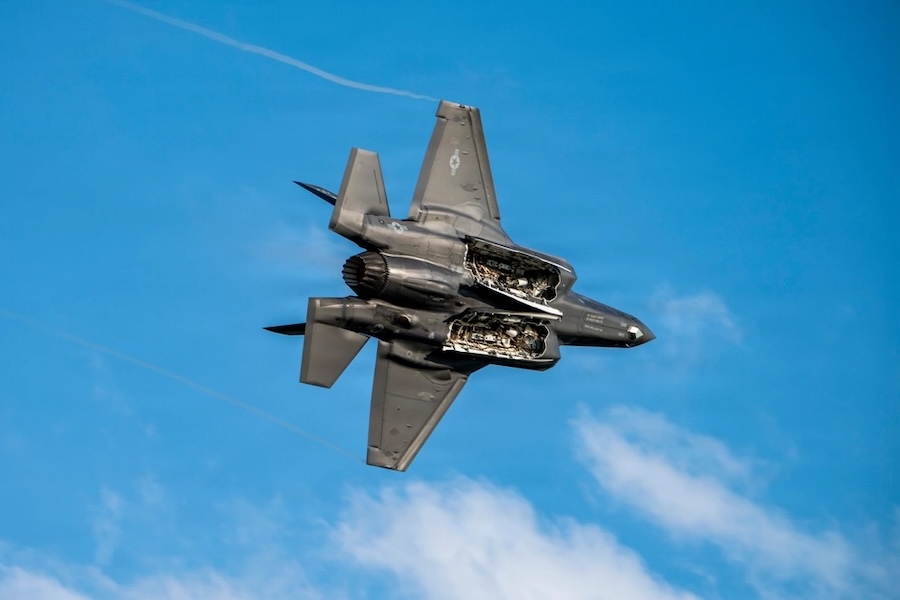
The plan does not present the F-35 as a single aircraft purchase. Instead, it frames the additional F-35 batch as part of a wider combat air modernisation programme intended to strengthen the Royal Air Force and support NATO deterrence.
Under the air investment section, the Ministry of Defence says it will prepare for the arrival of the next batch of F-35s. This batch will include the first F-35A aircraft, which are expected to enter service in the early 2030s.
The arrival of the F-35As will enable the Royal Air Force to join NATO’s Dual Capable Aircraft mission. The Defence Investment Plan links this decision to the UK’s wider nuclear deterrence posture and its commitment to supporting the Alliance.
The F-35A plan sits alongside increased investment in the Defence Nuclear Enterprise. The Ministry of Defence says it will invest more than £20 billion more in the enterprise over the next four years than in the previous four years to modernise and sustain the UK’s nuclear deterrent.
The documents also state that the UK will buy additional F-35s and benefit from the substantial UK workshare they bring. This places the aircraft within the government’s “Backing British” agenda, which links defence procurement with jobs, skills and industrial growth.
The additional F-35 batch is part of a broader aerospace package in the Defence Investment Plan. The Ministry of Defence also plans more than £1.1 billion of new investment to upgrade and sustain the Typhoon force into the 2040s.
The plan also includes £300 million to begin development of UK Collaborative Combat Aircraft. These autonomous aircraft are intended to fly alongside fourth- and fifth-generation fighters and support the wider pathway to the Global Combat Air Programme.
The Ministry of Defence says the combination of Typhoon sustainment, additional F-35s, Collaborative Combat Aircraft and GCAP will help move the RAF towards becoming Europe’s first sixth-generation air force. The plan therefore positions the new F-35 batch as a bridge between today’s fifth-generation force and the future combat air system.
The Defence Investment Plan also says the UK’s combat air force will grow during the next decade. It will operate fourth- and fifth-generation fighters alongside autonomous air systems designed to expand sensor coverage, carry extra missiles and operate ahead of crewed aircraft.
The F-35 investment is therefore connected to both operational and industrial priorities. It supports NATO nuclear and air power commitments while also preserving UK participation in a major international combat aircraft programme.
The plan presents the new F-35 batch as one element of a wider reset of defence investment. Its role is to strengthen RAF combat air capability, support deterrence and help align near-term procurement with the UK’s longer-term move towards an integrated and more advanced air force.